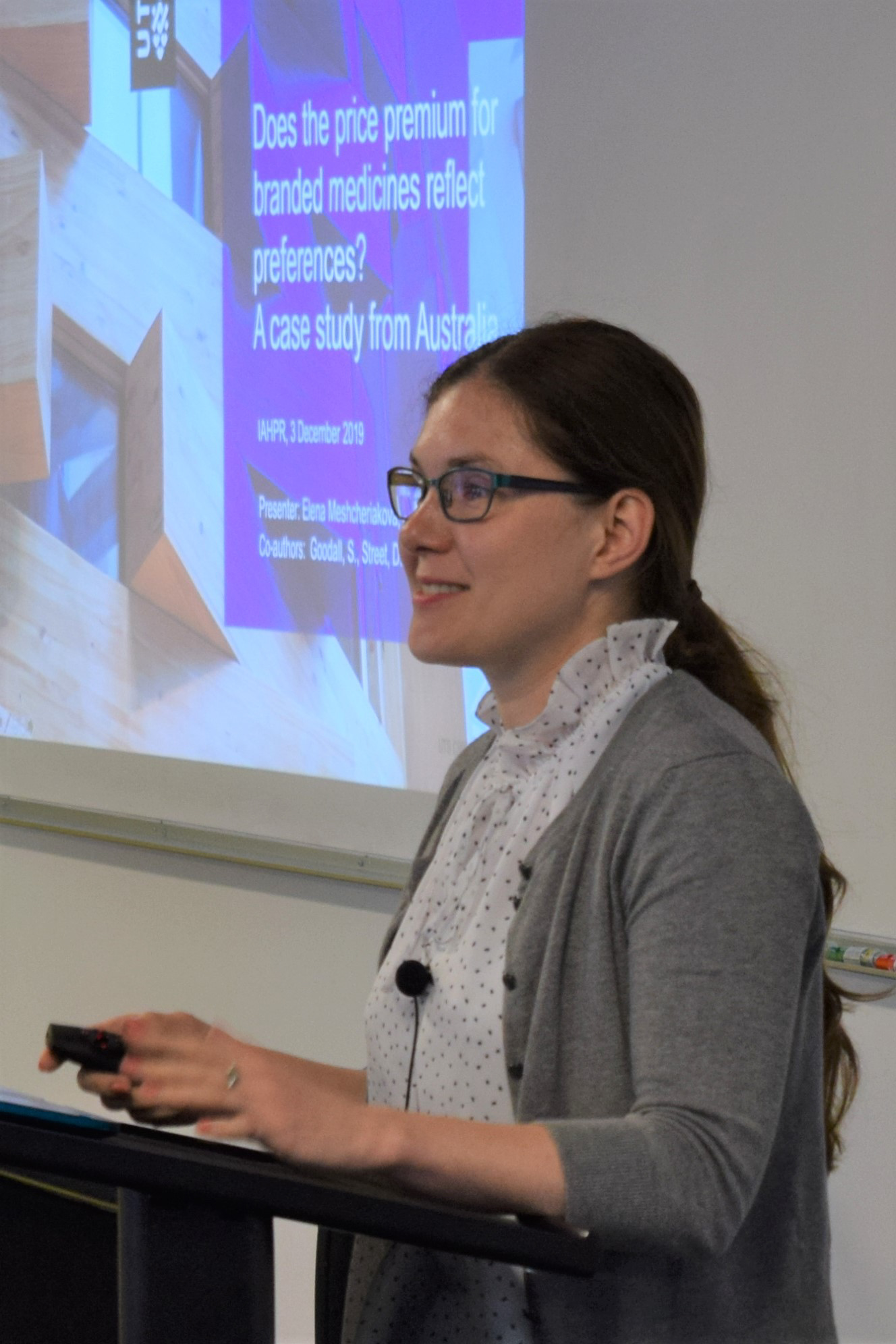
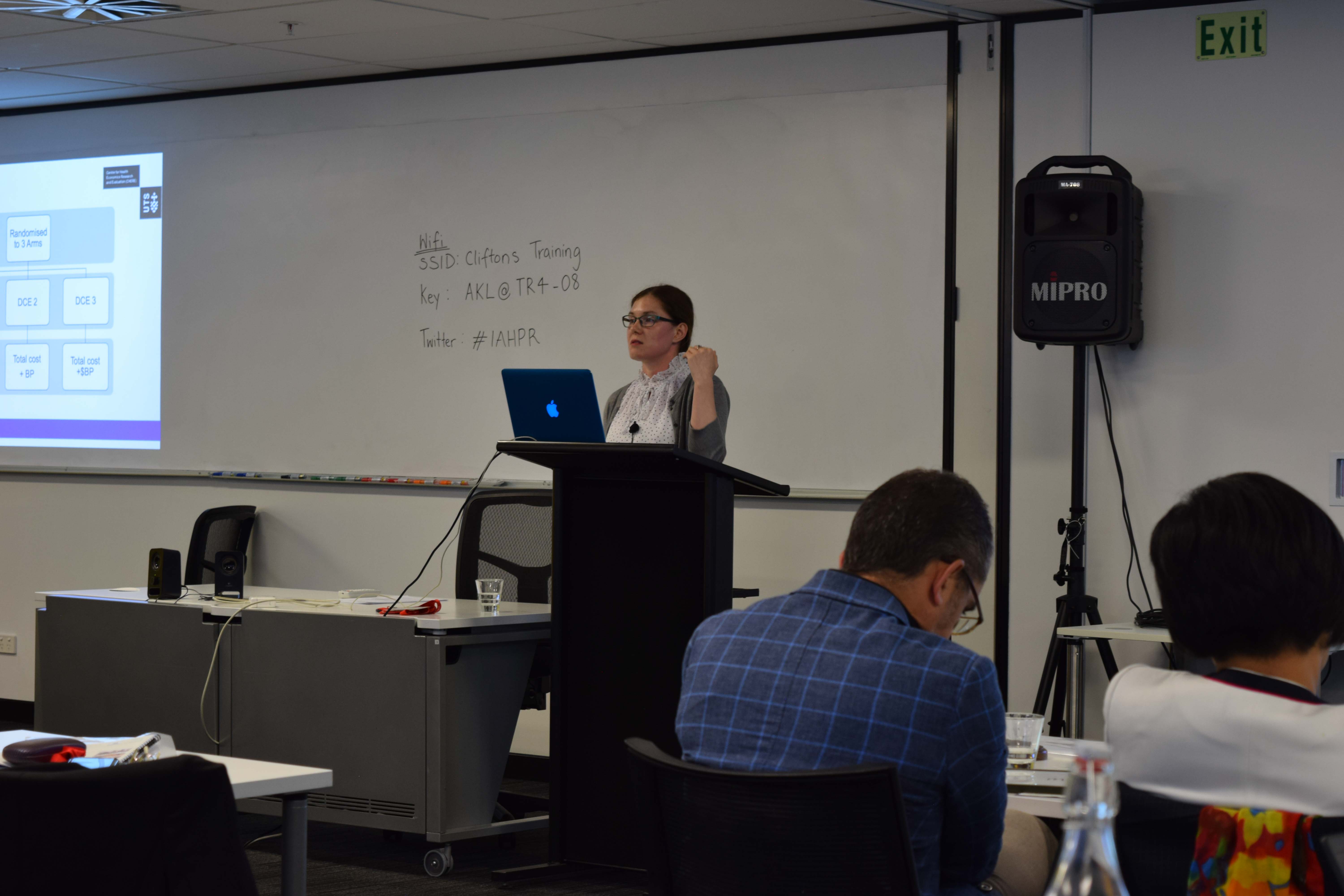
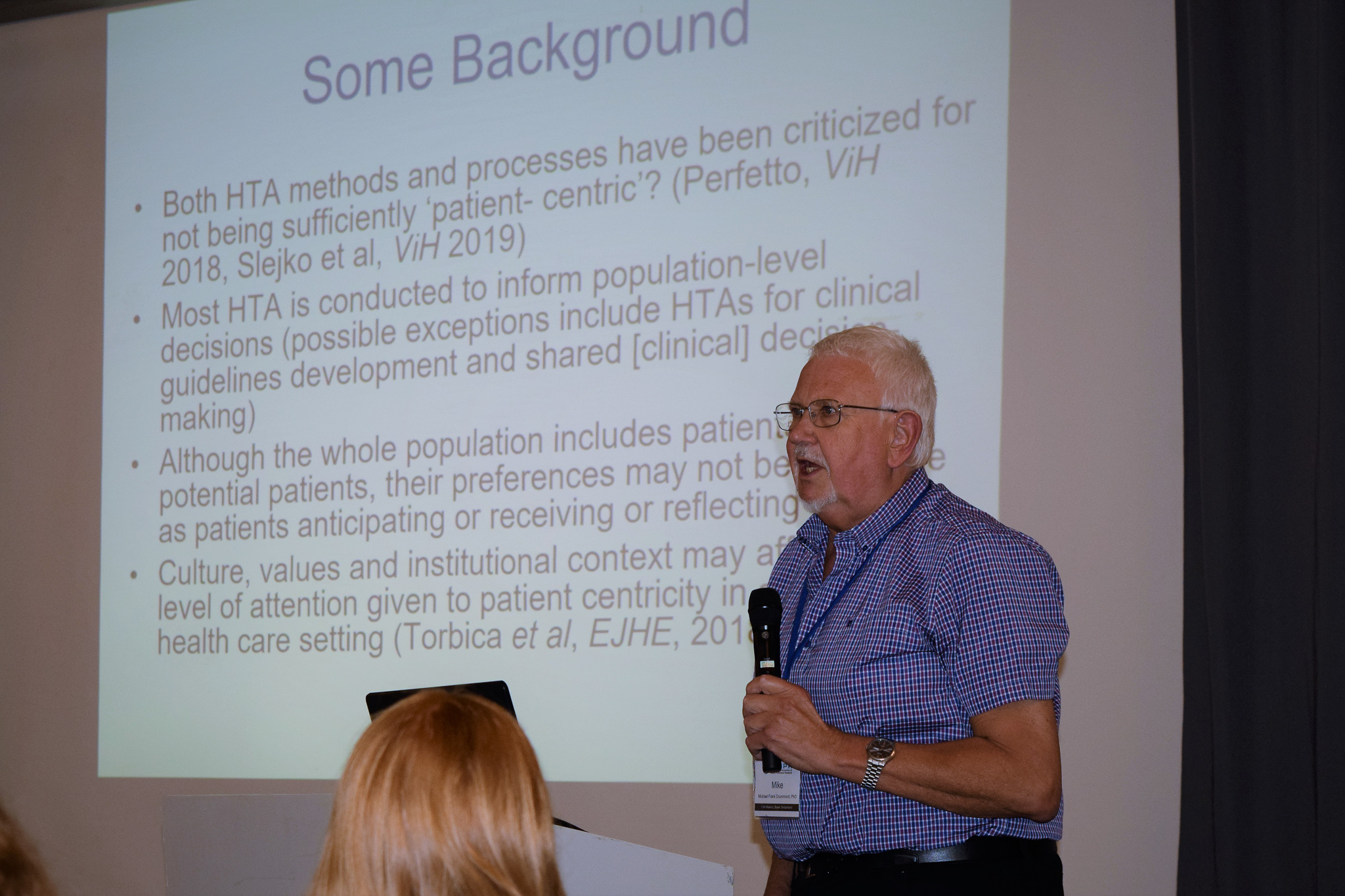
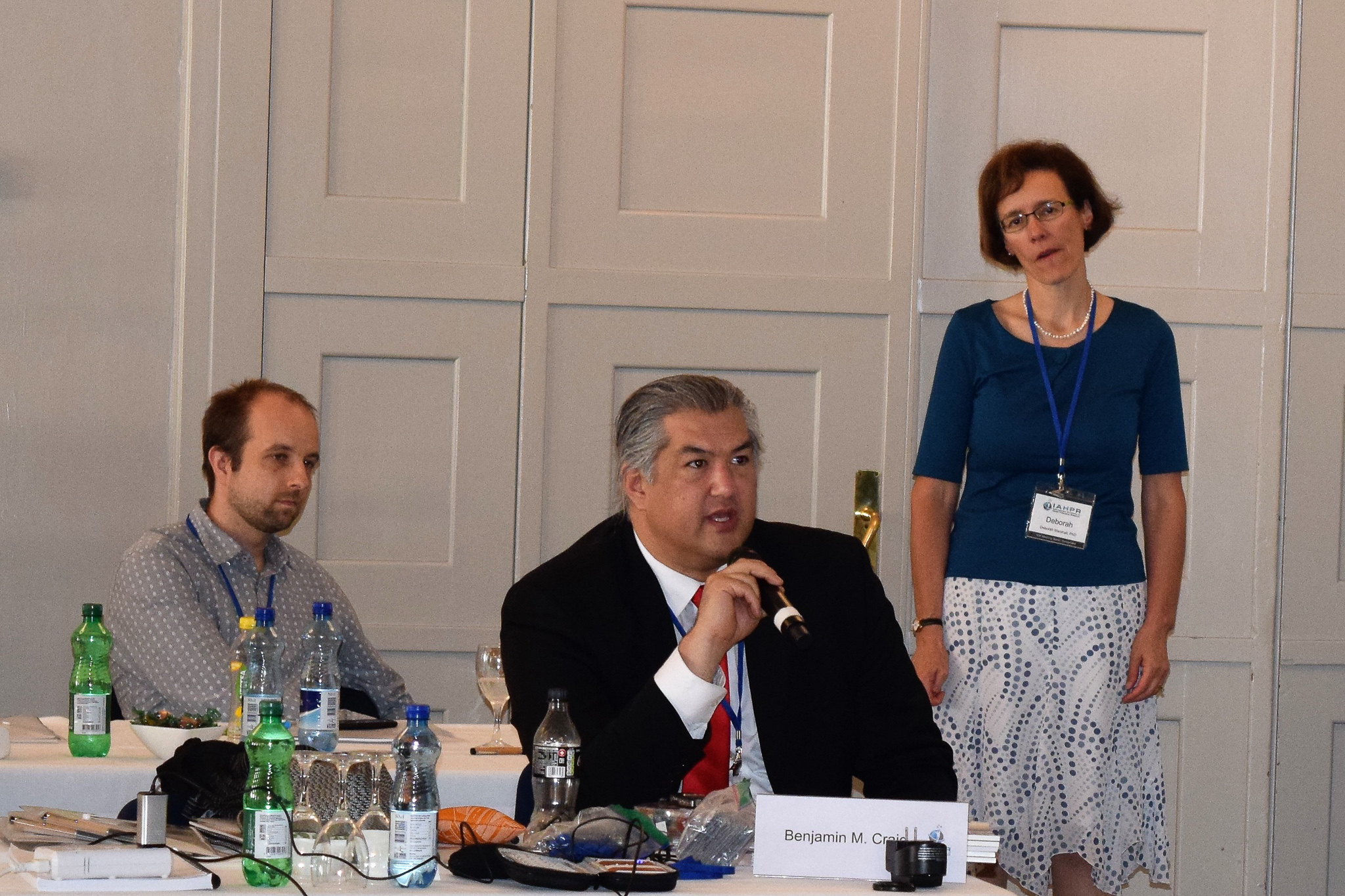
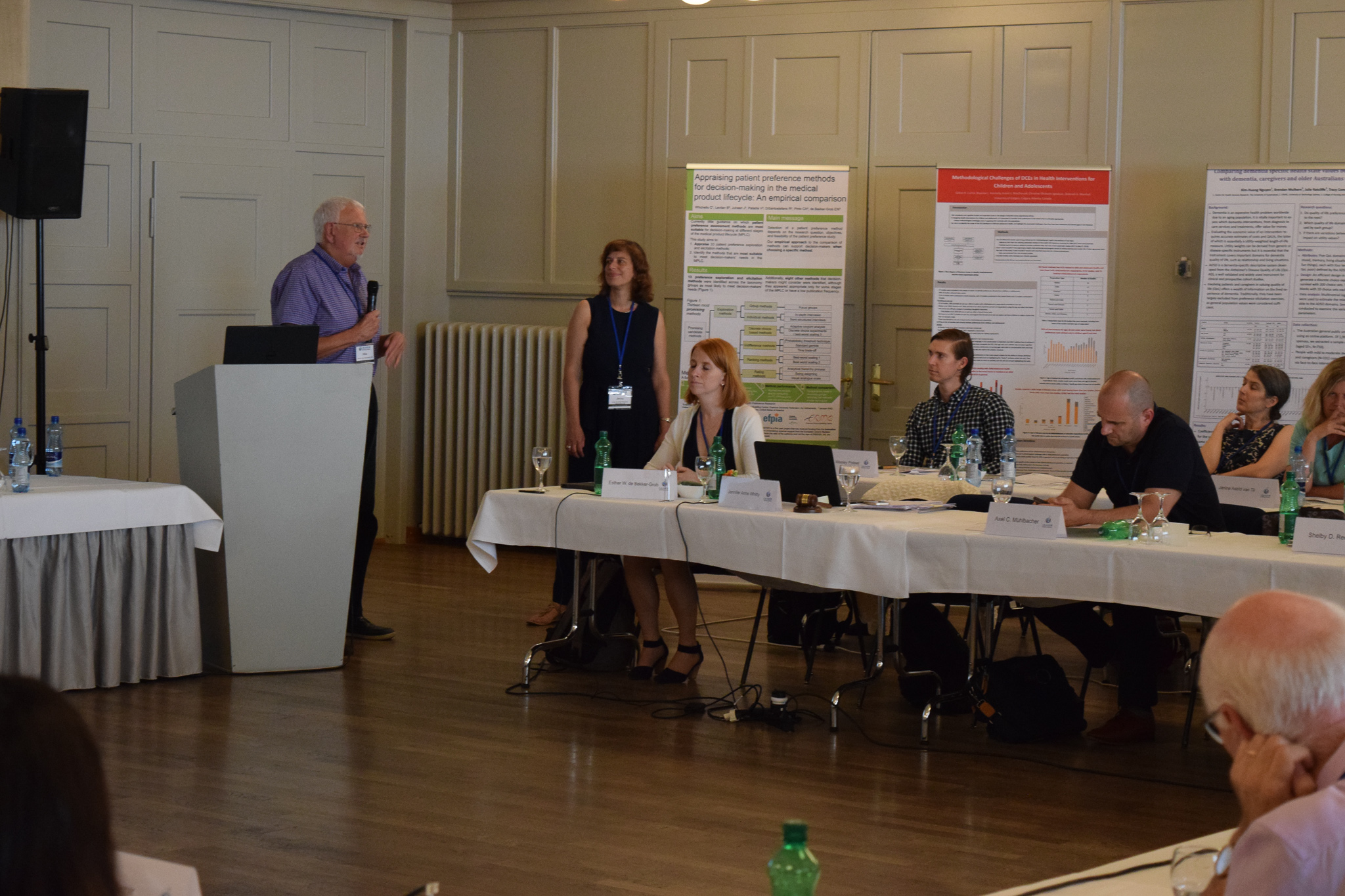
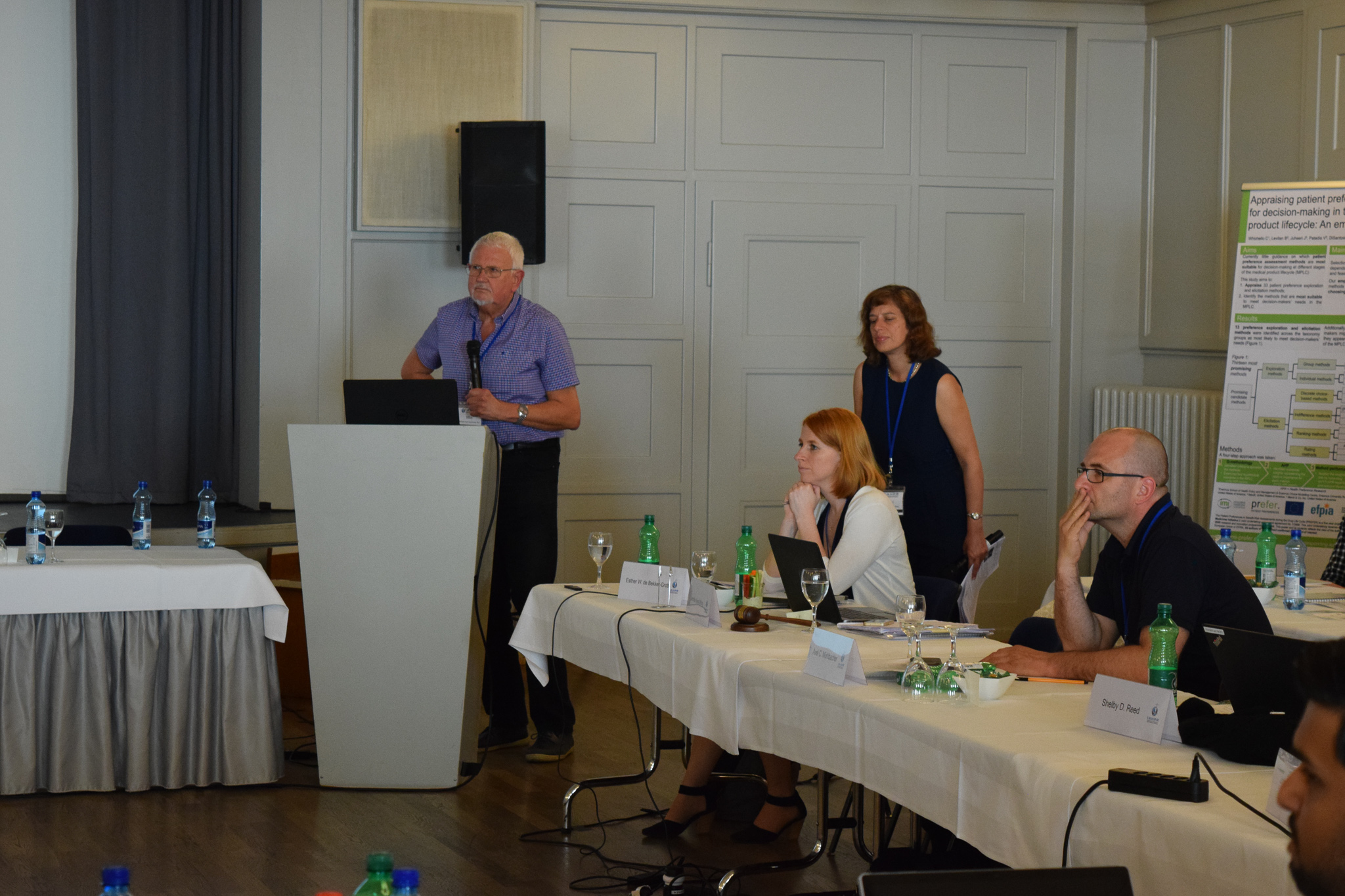
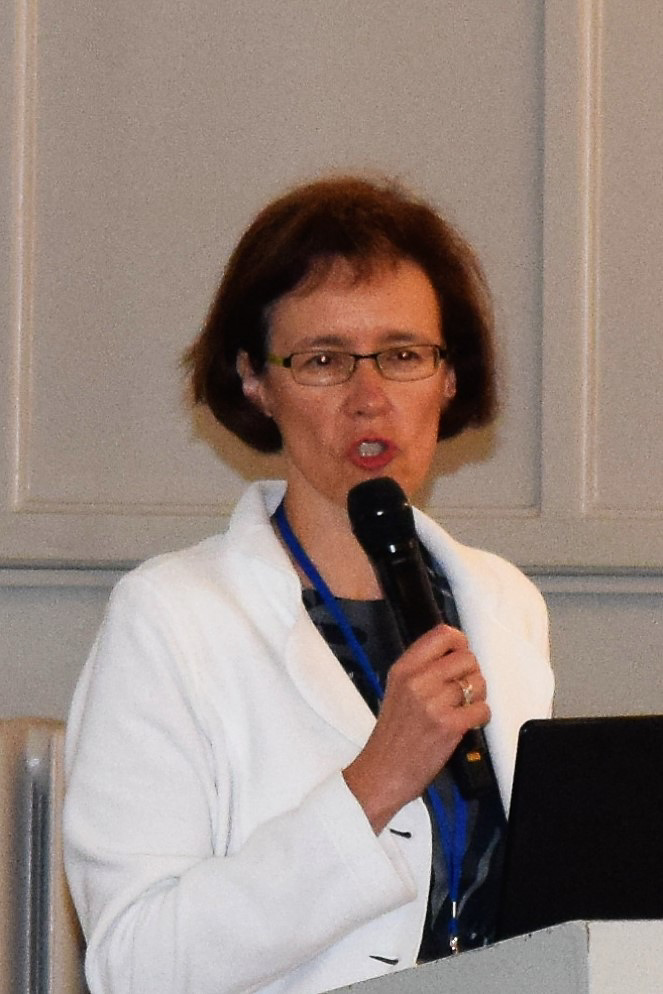
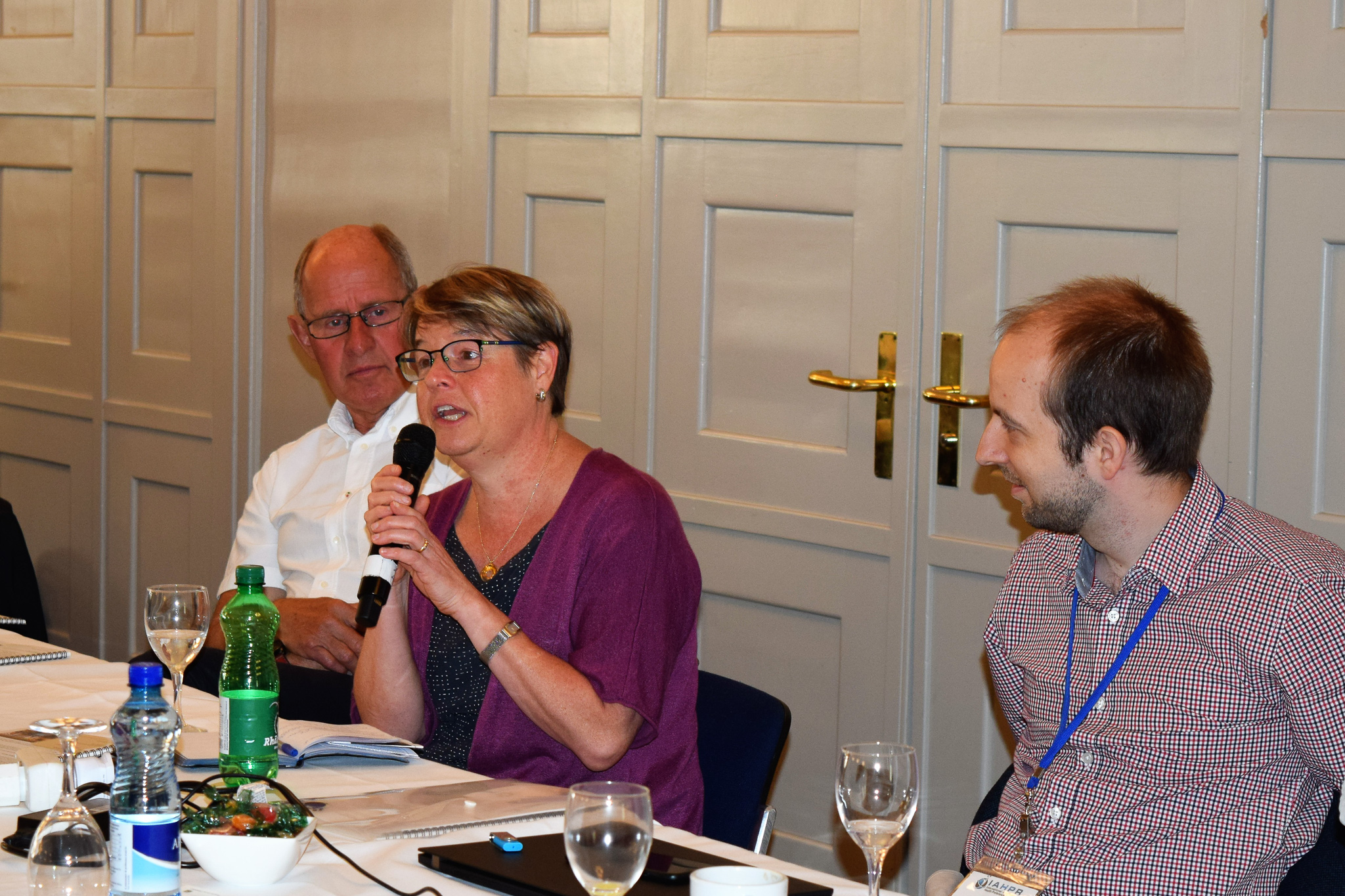
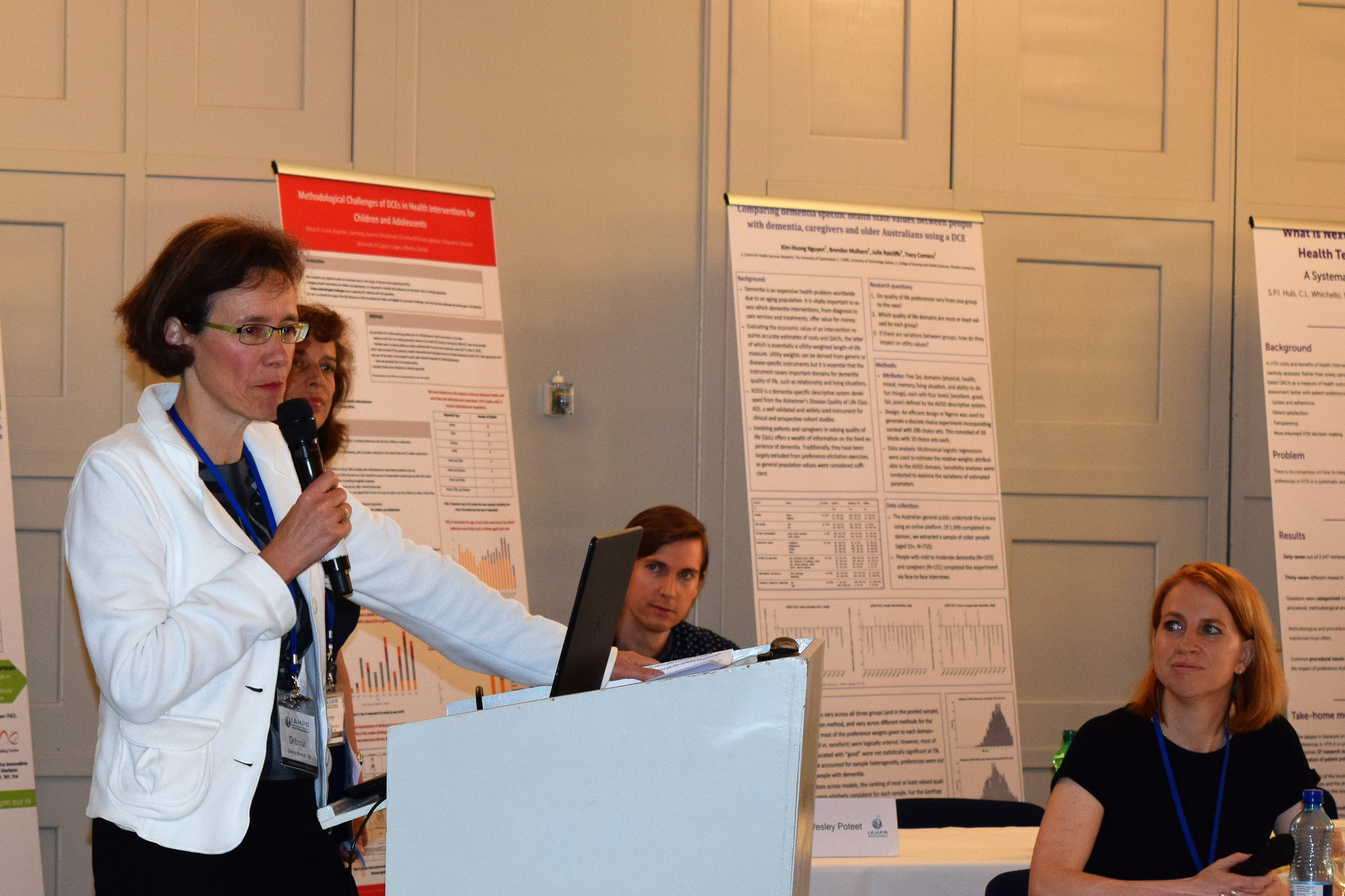
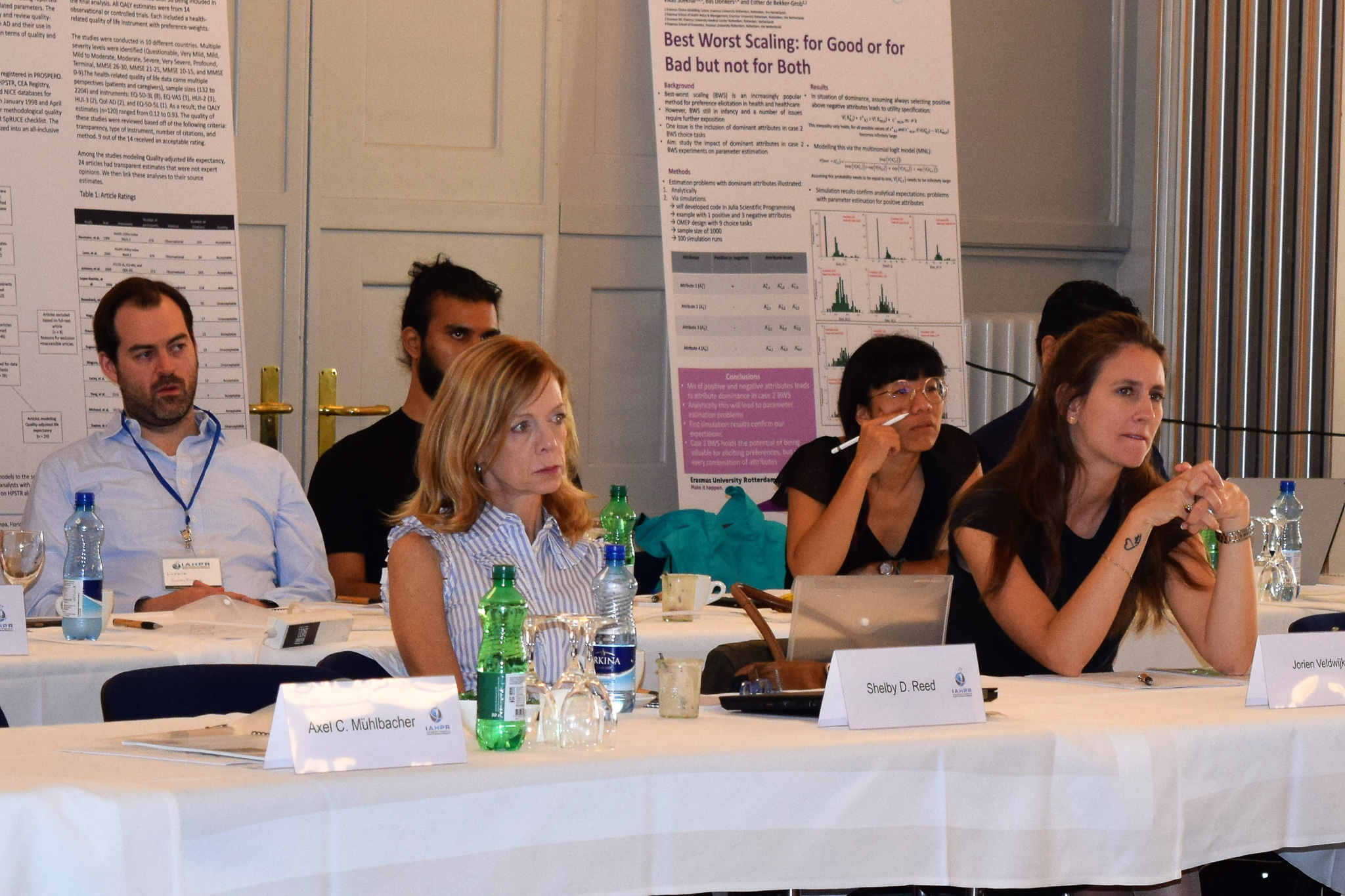
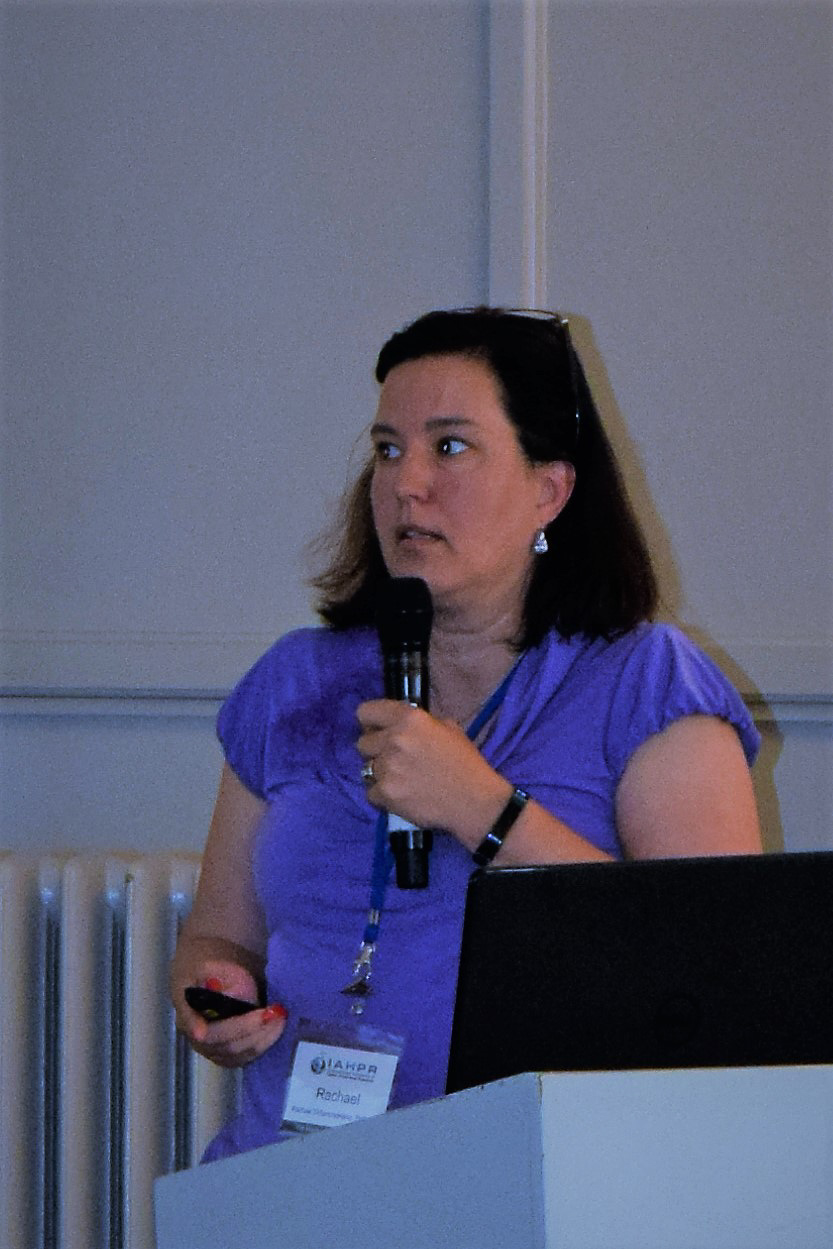
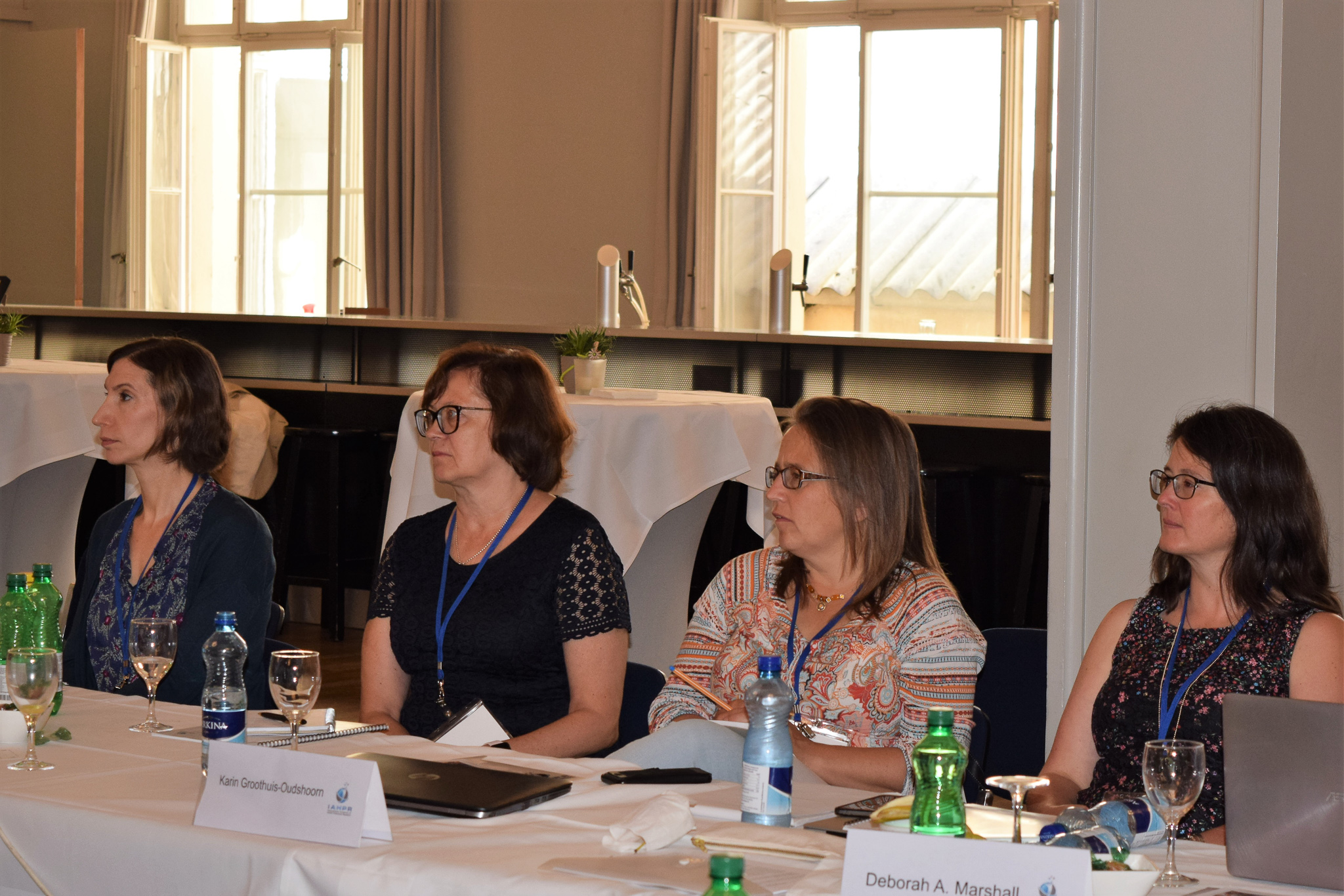
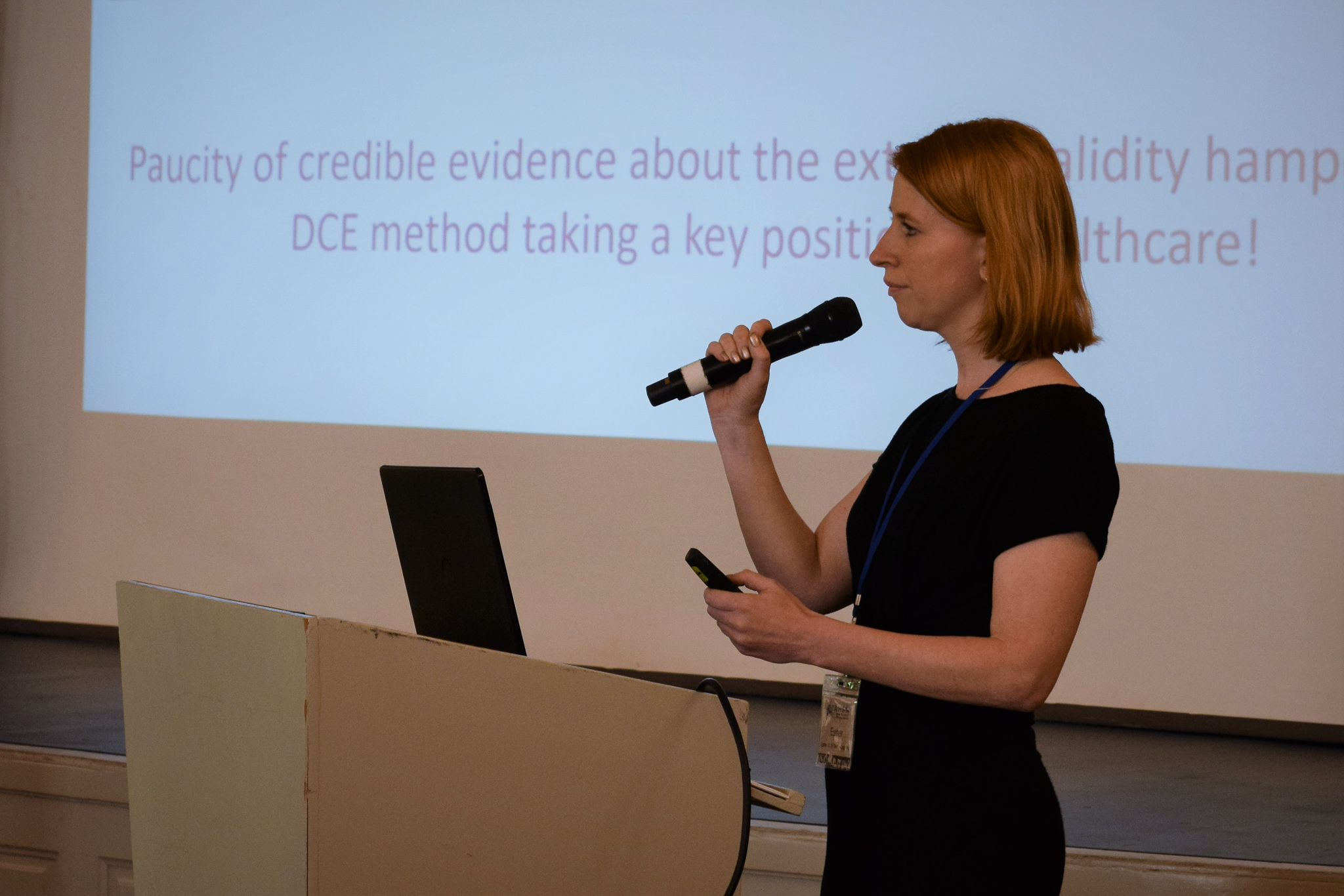
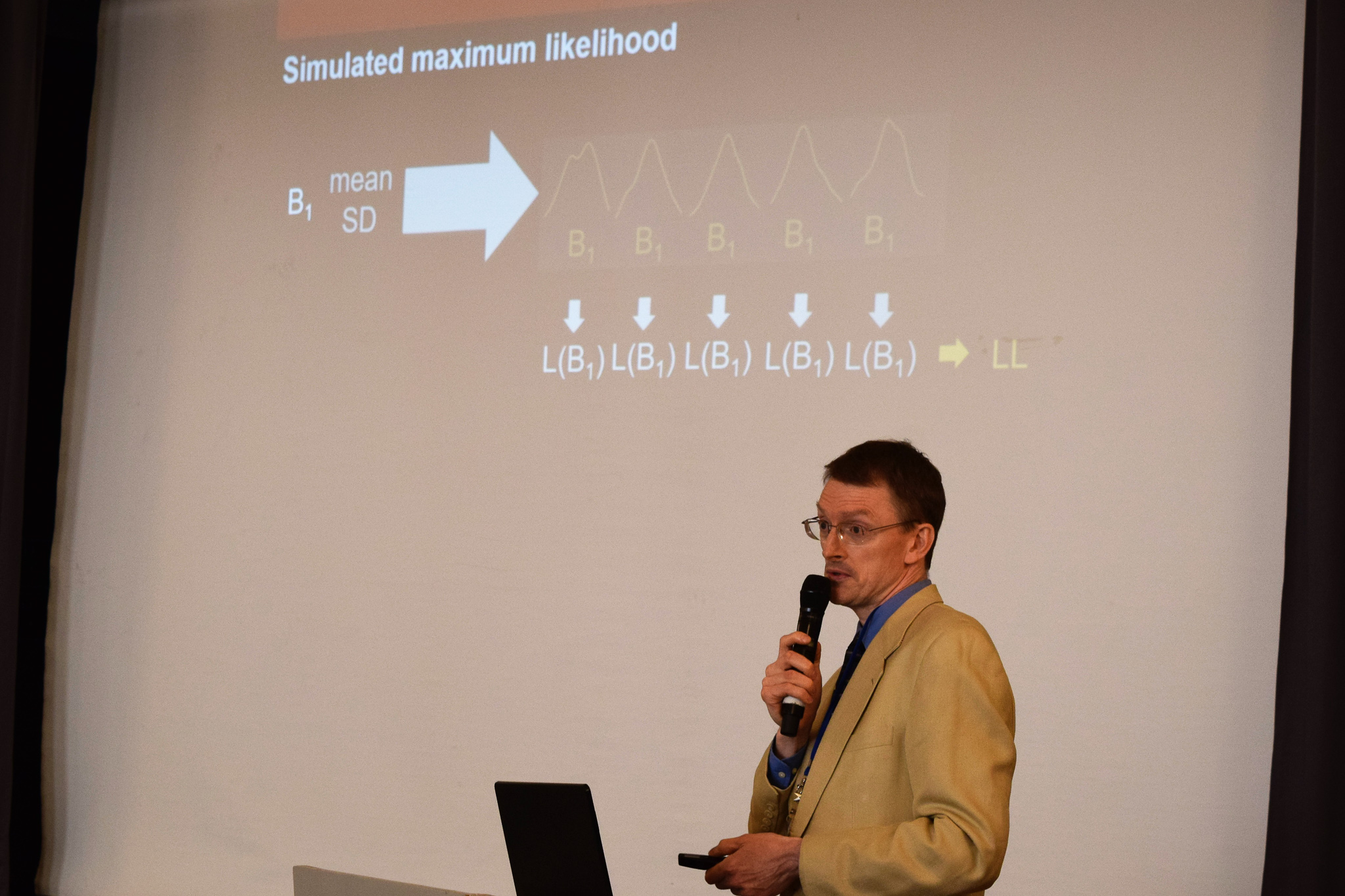
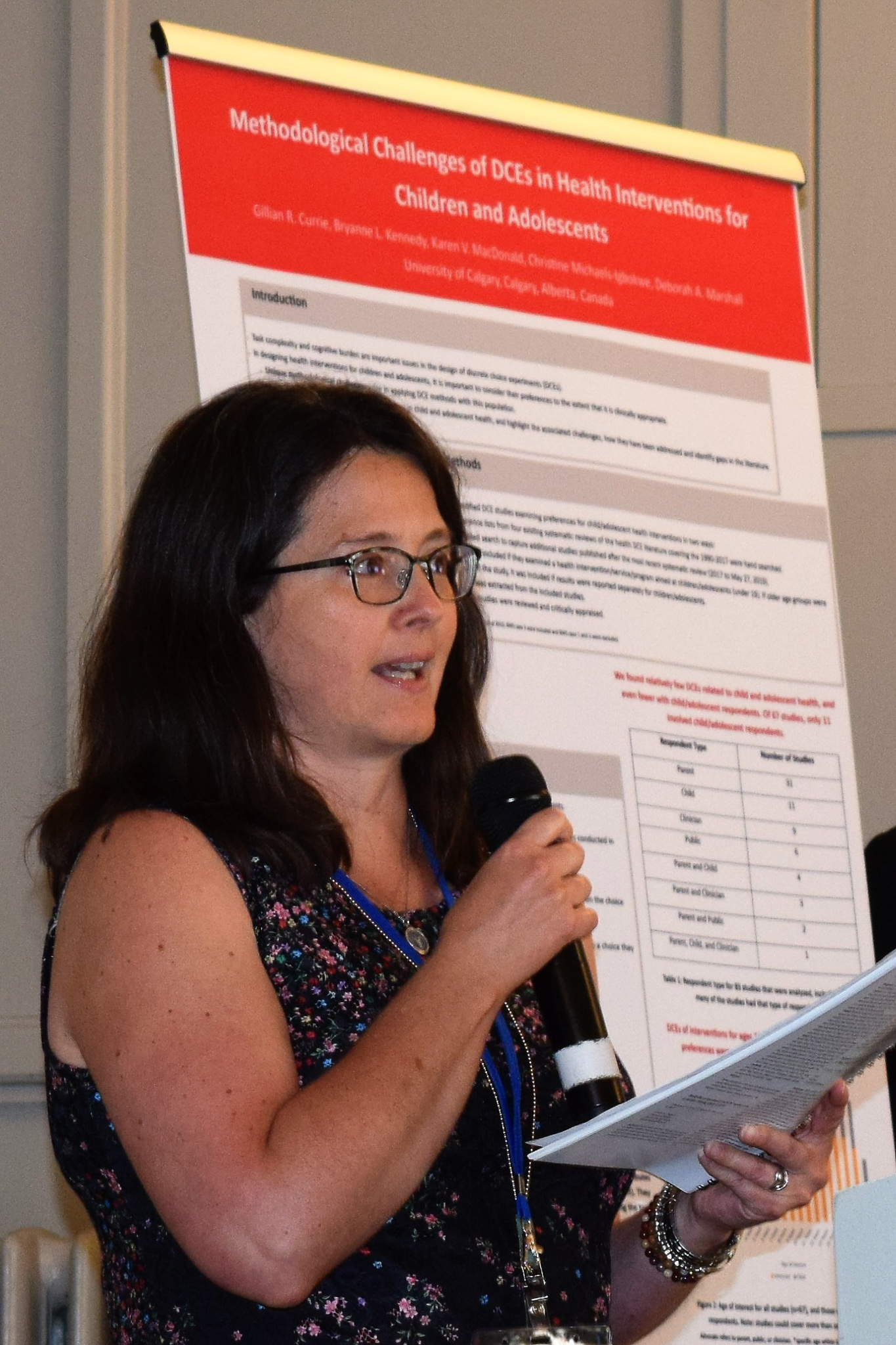
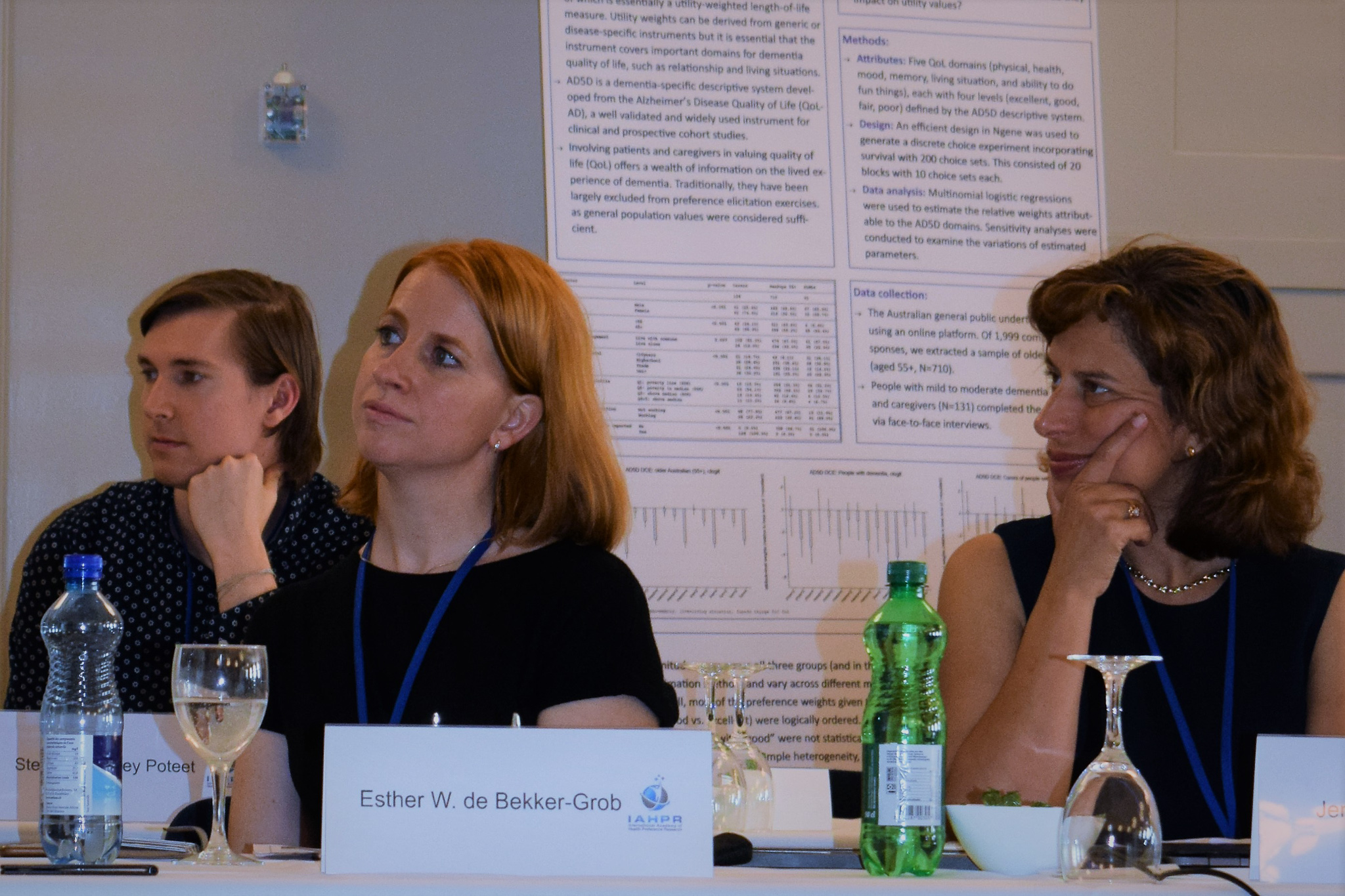
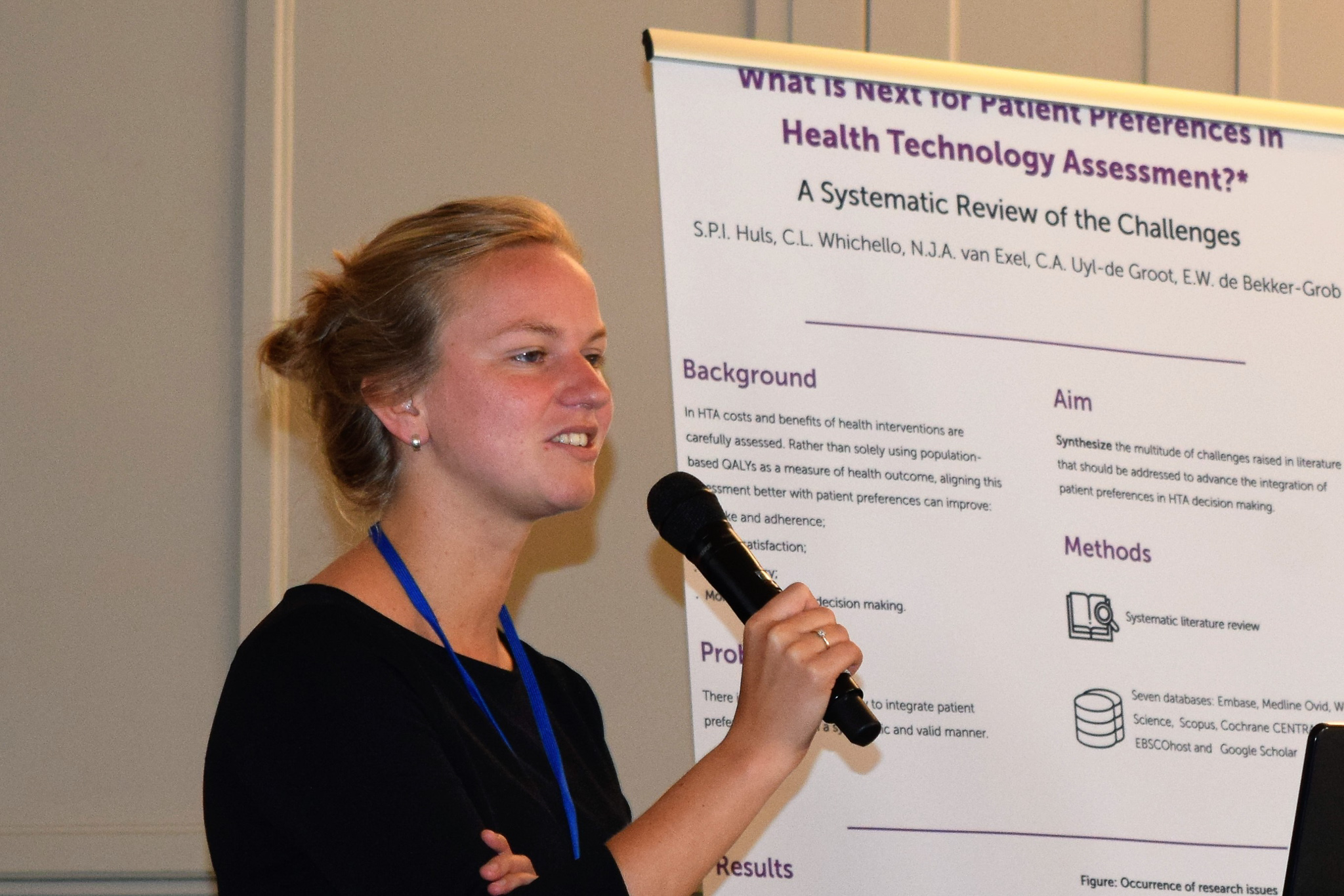
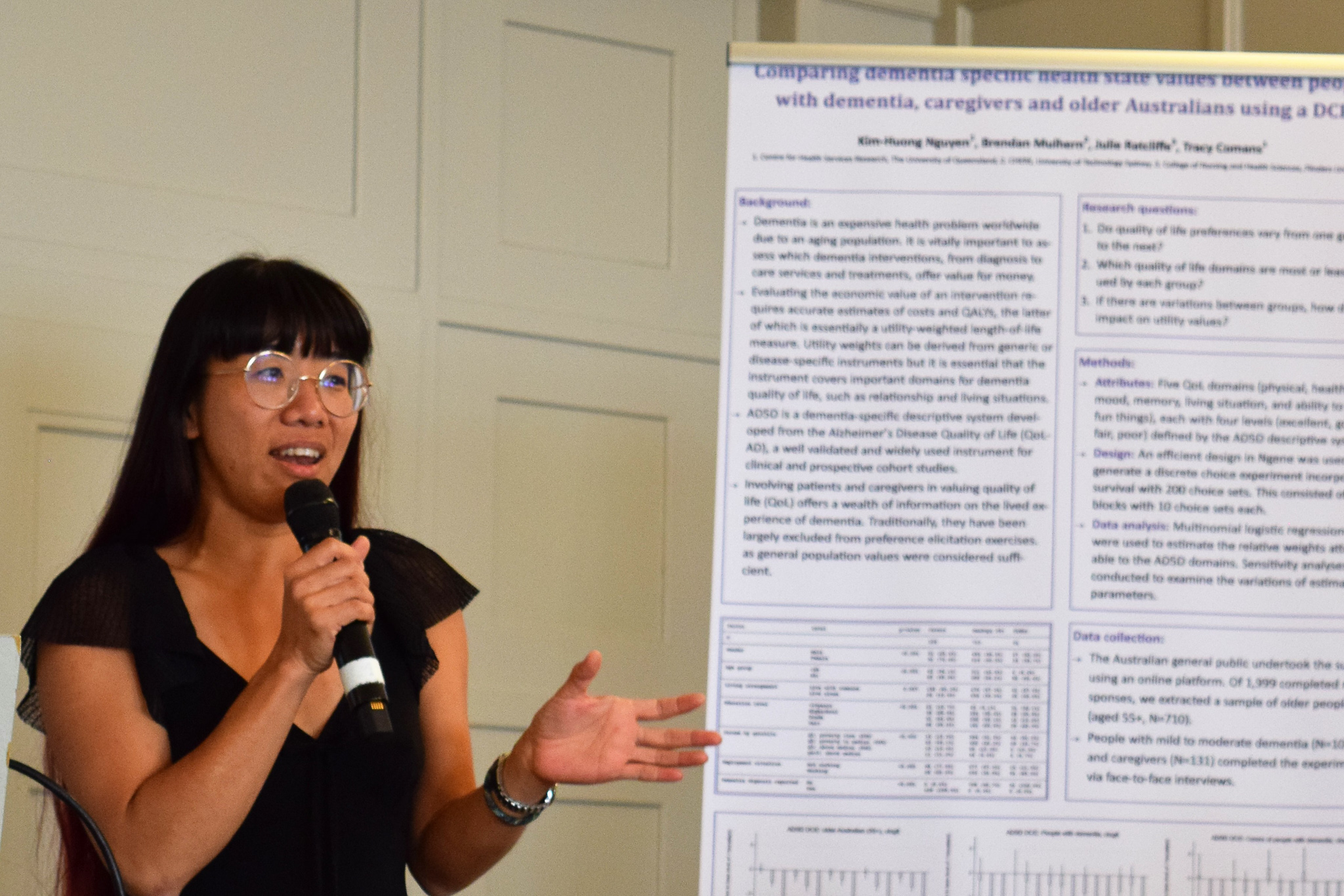
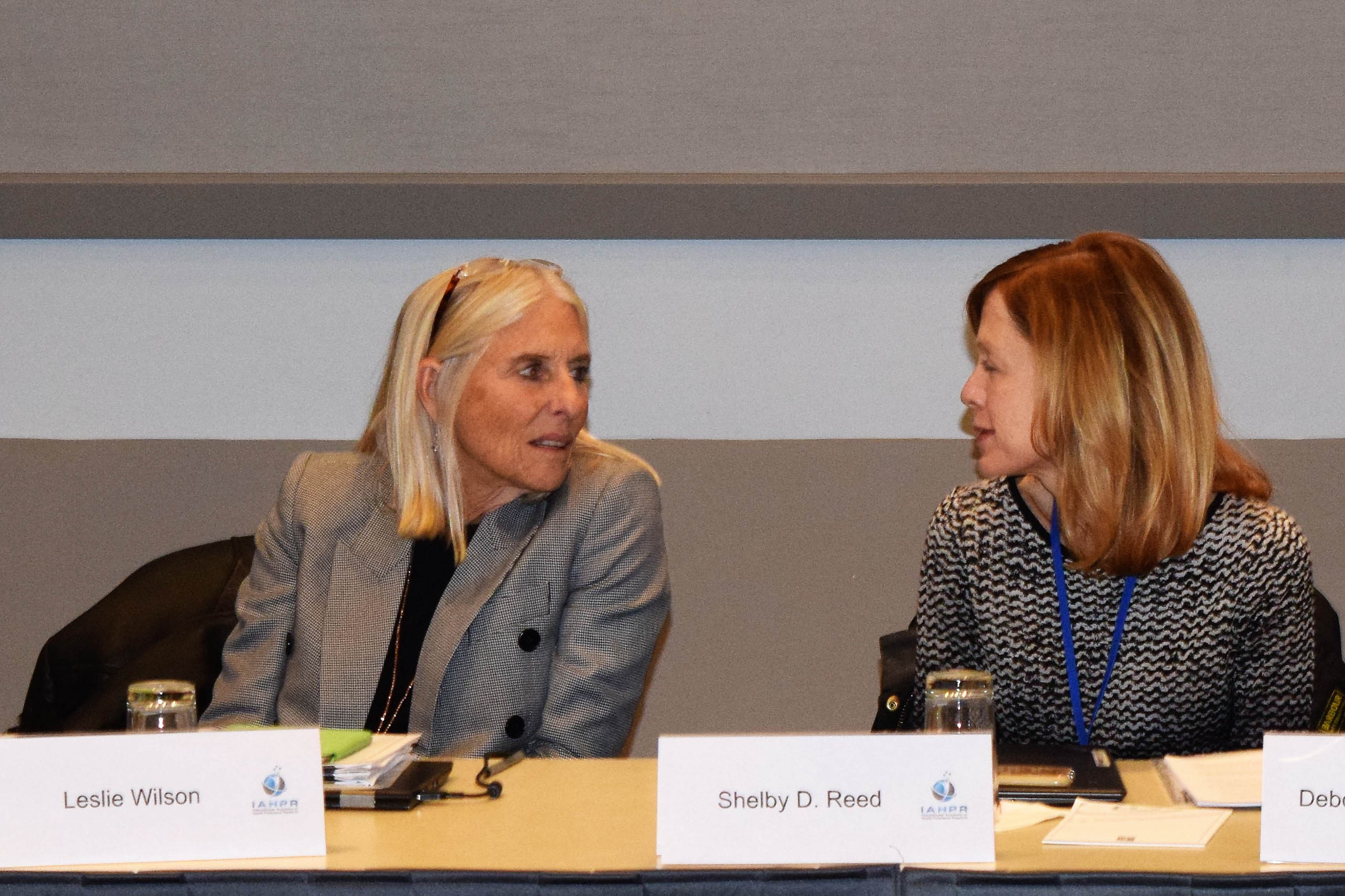
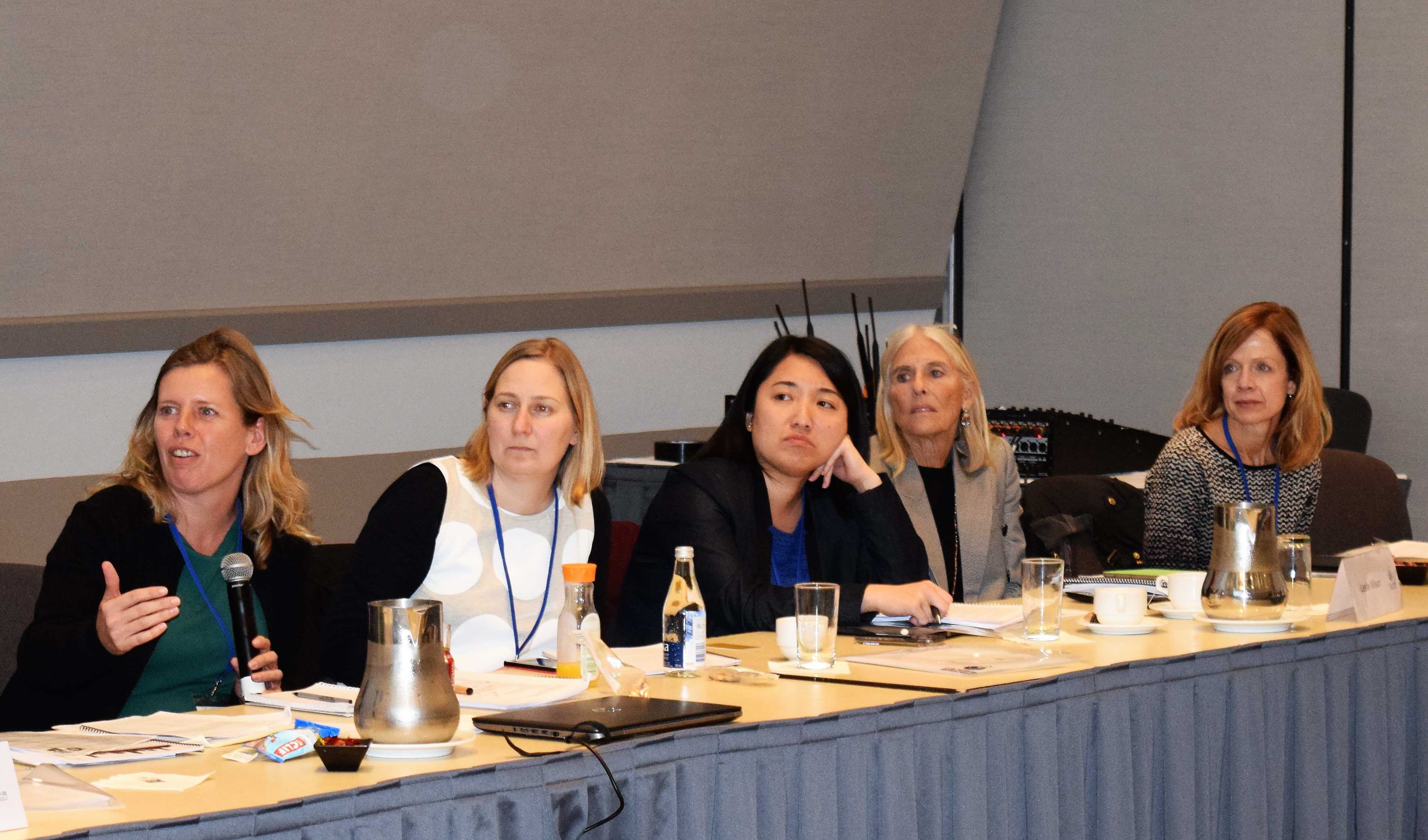
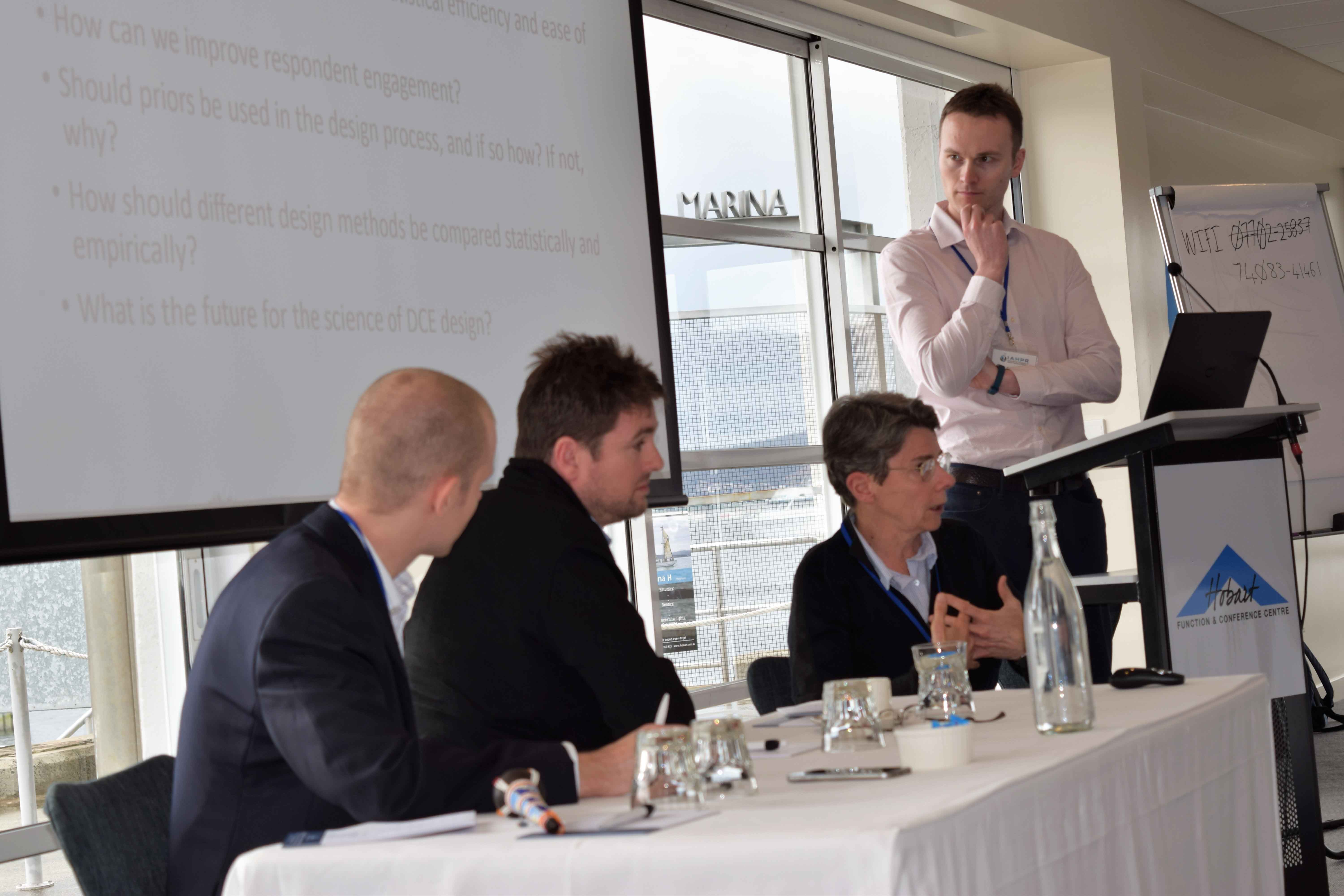
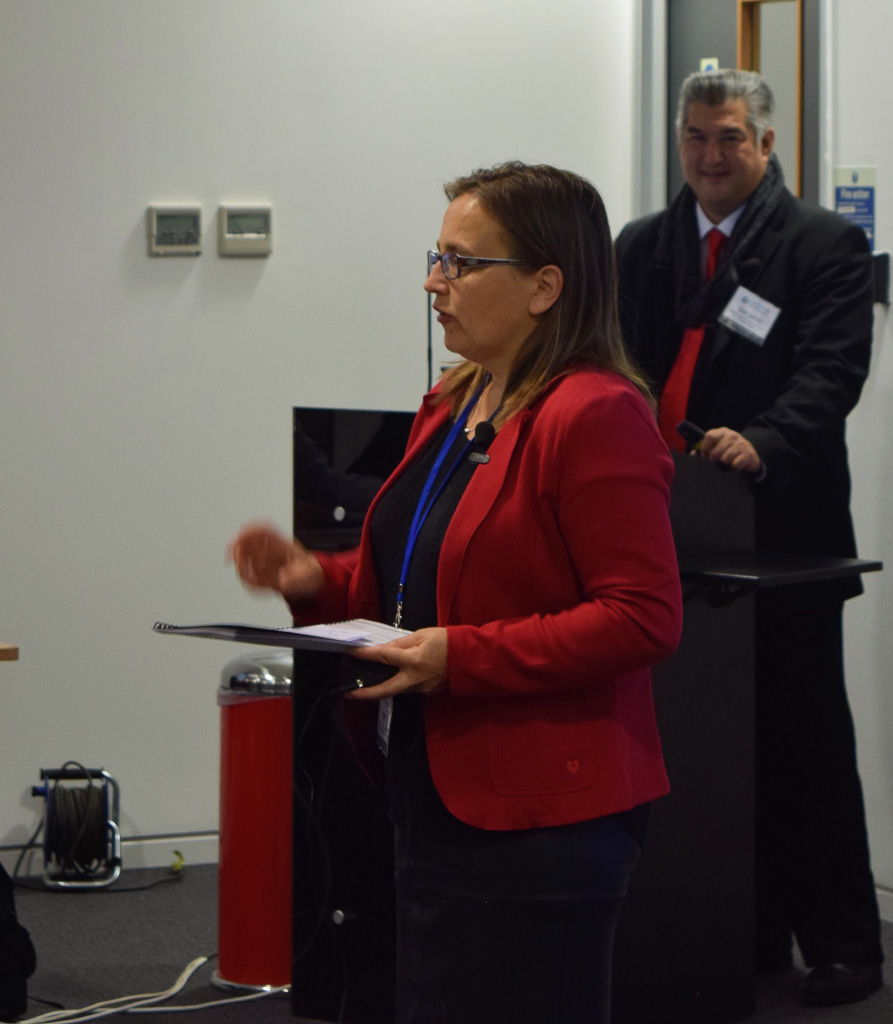
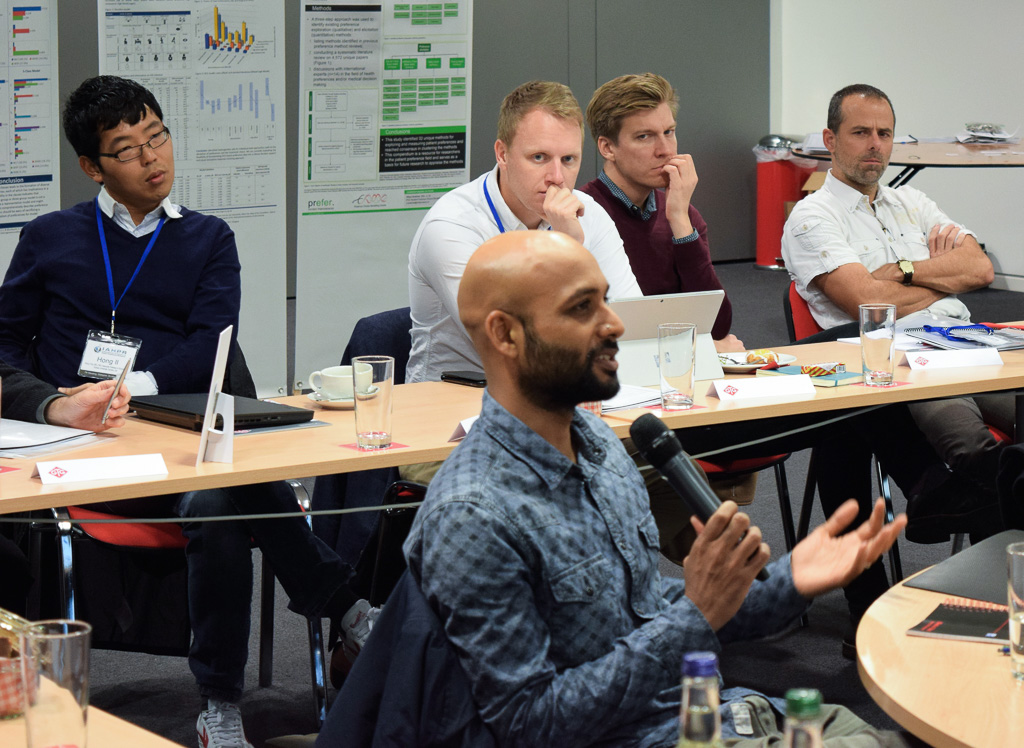
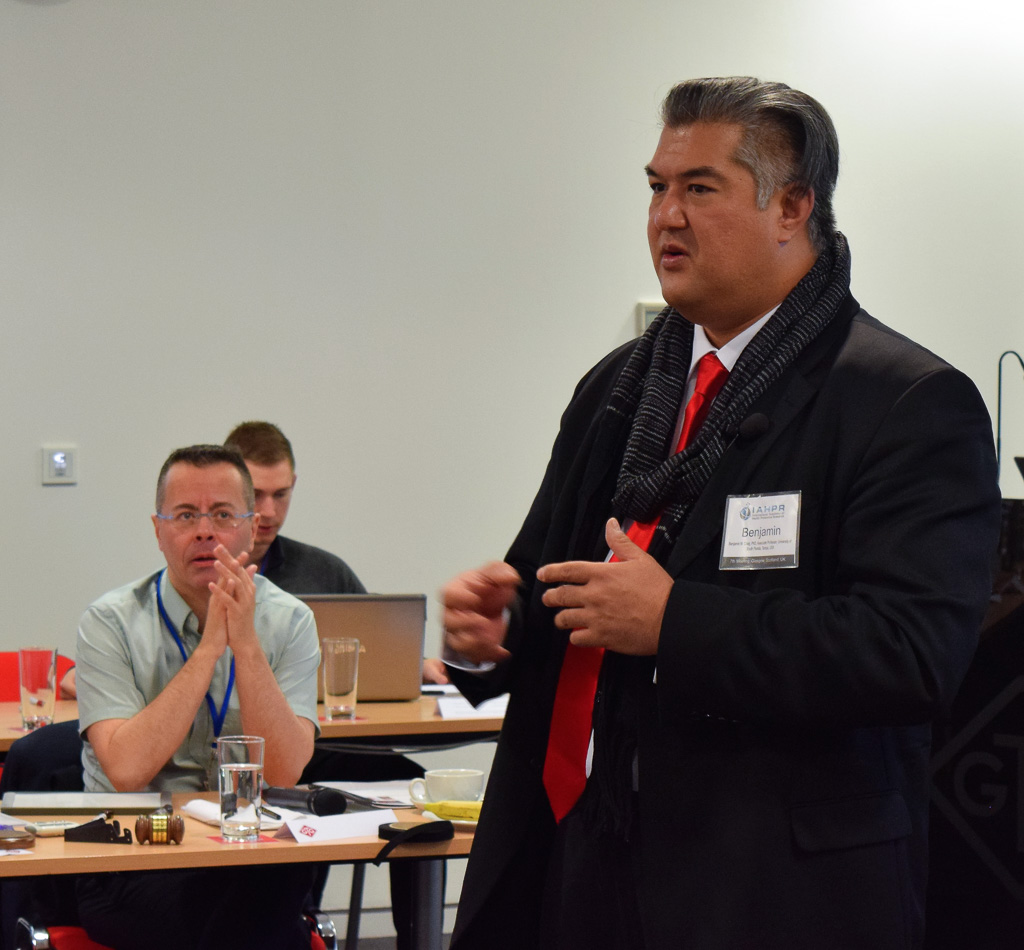
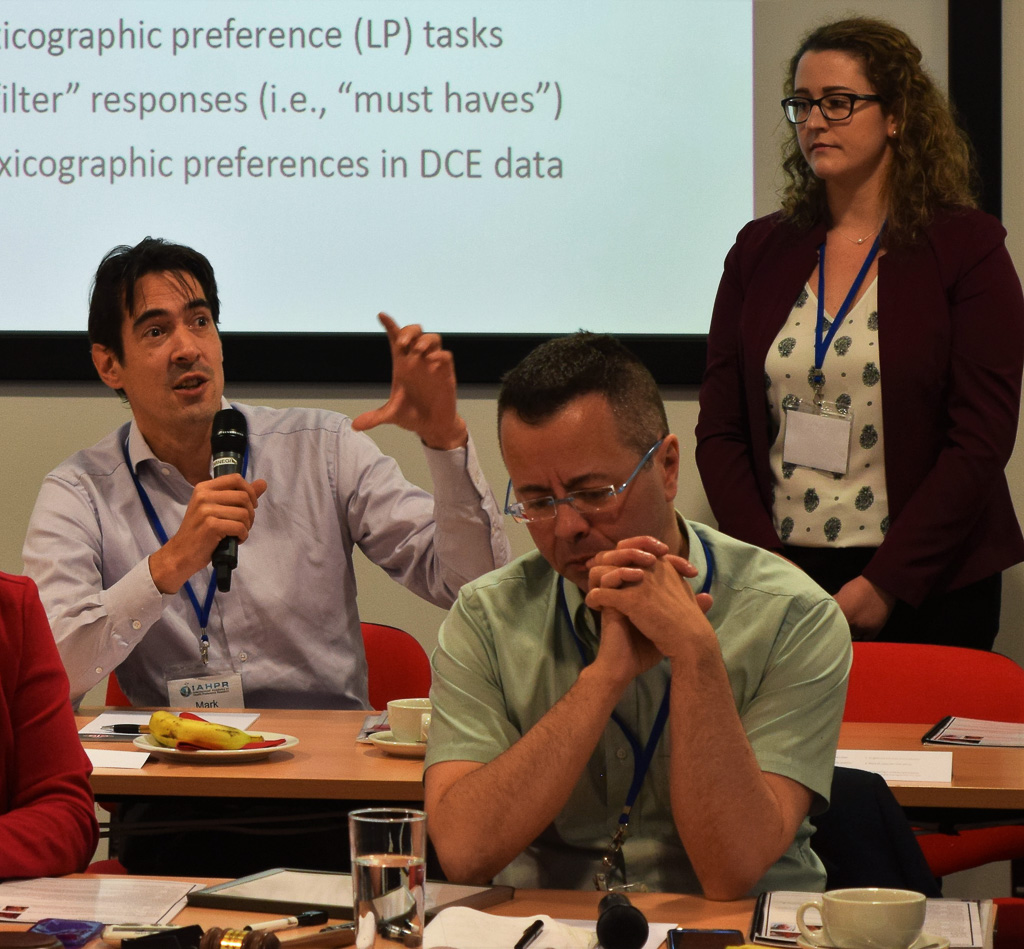
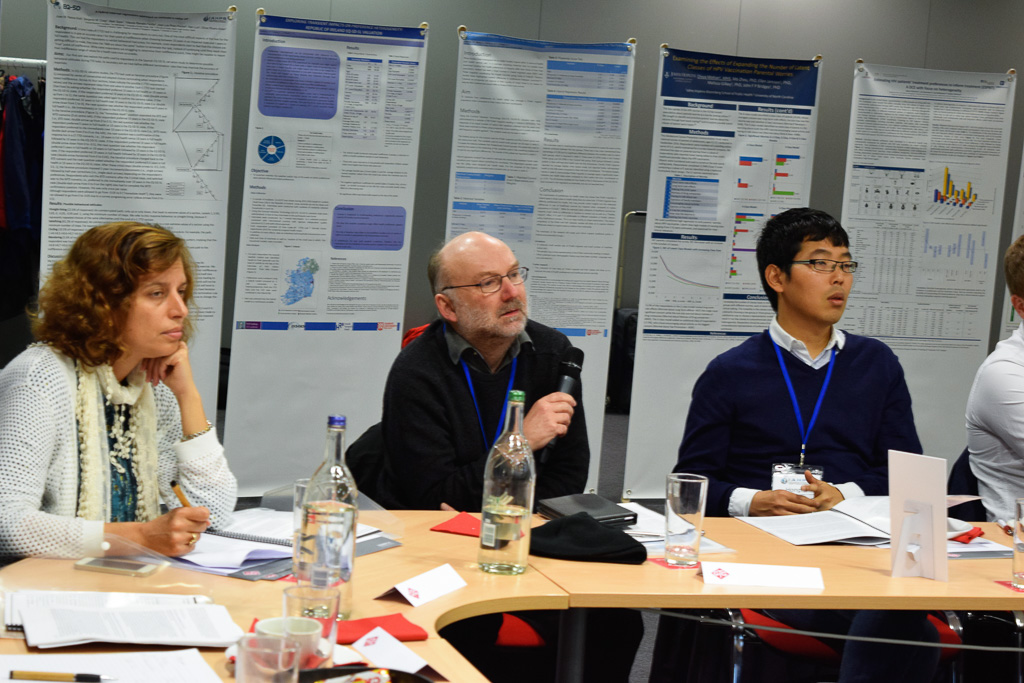
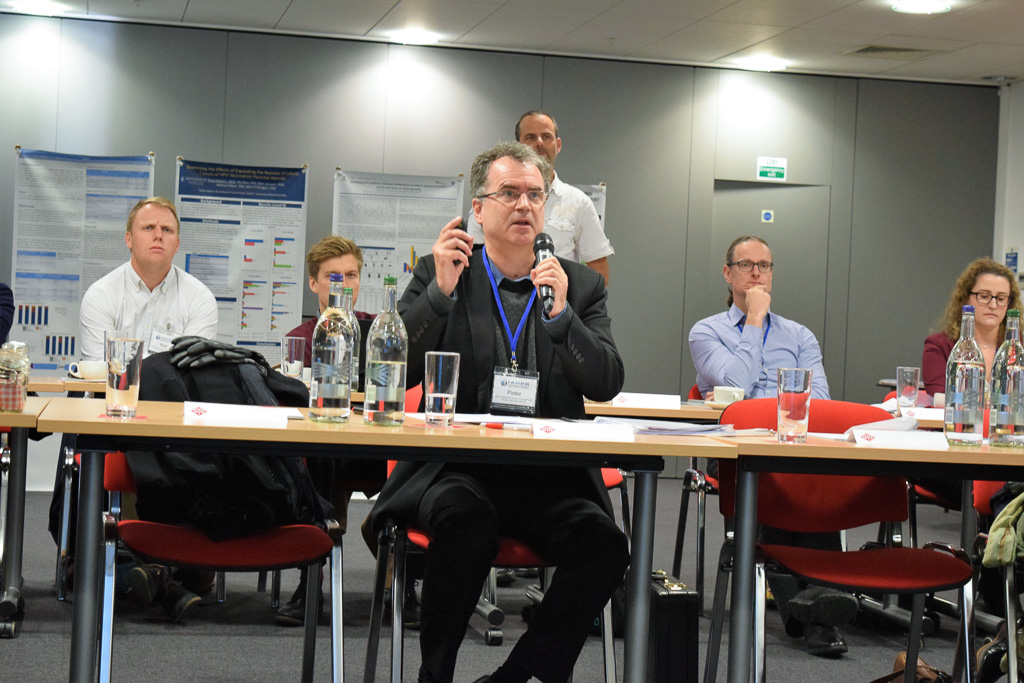
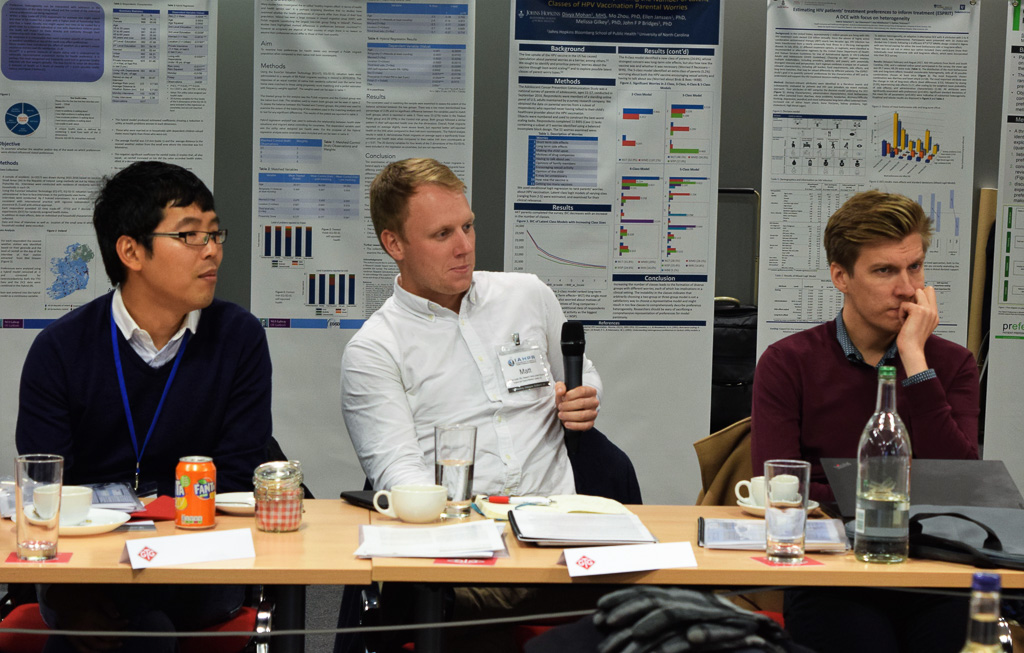
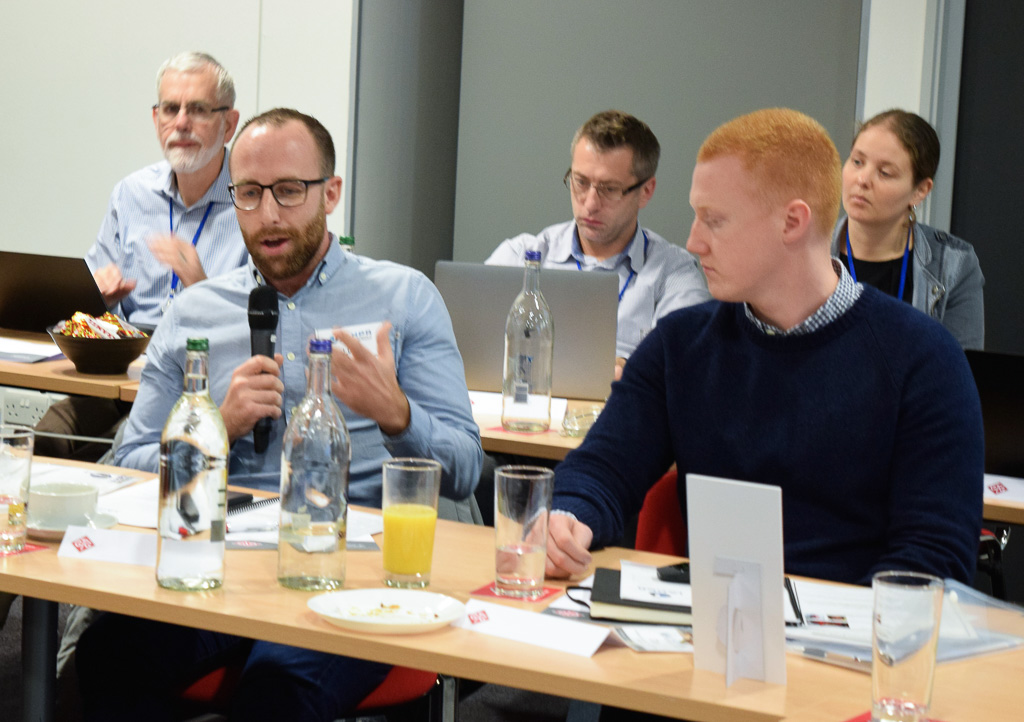
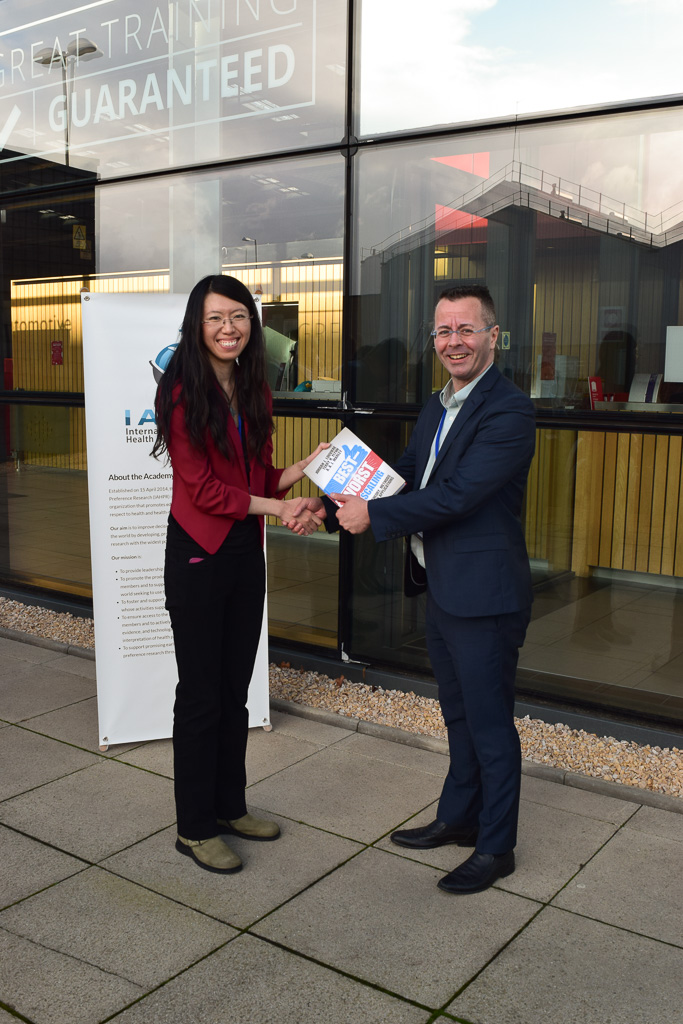
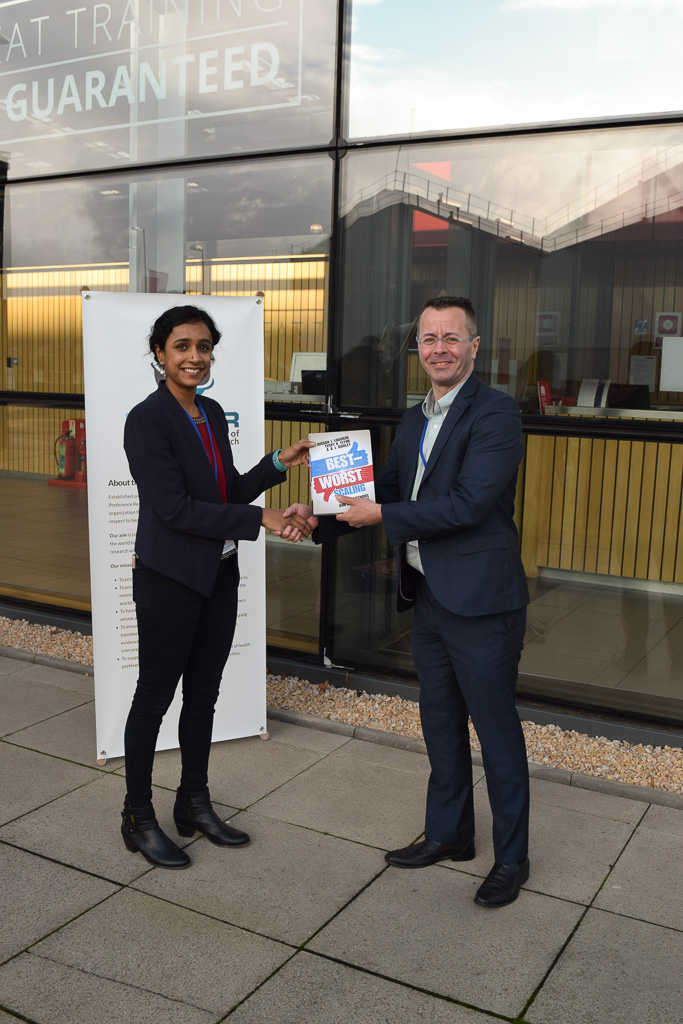
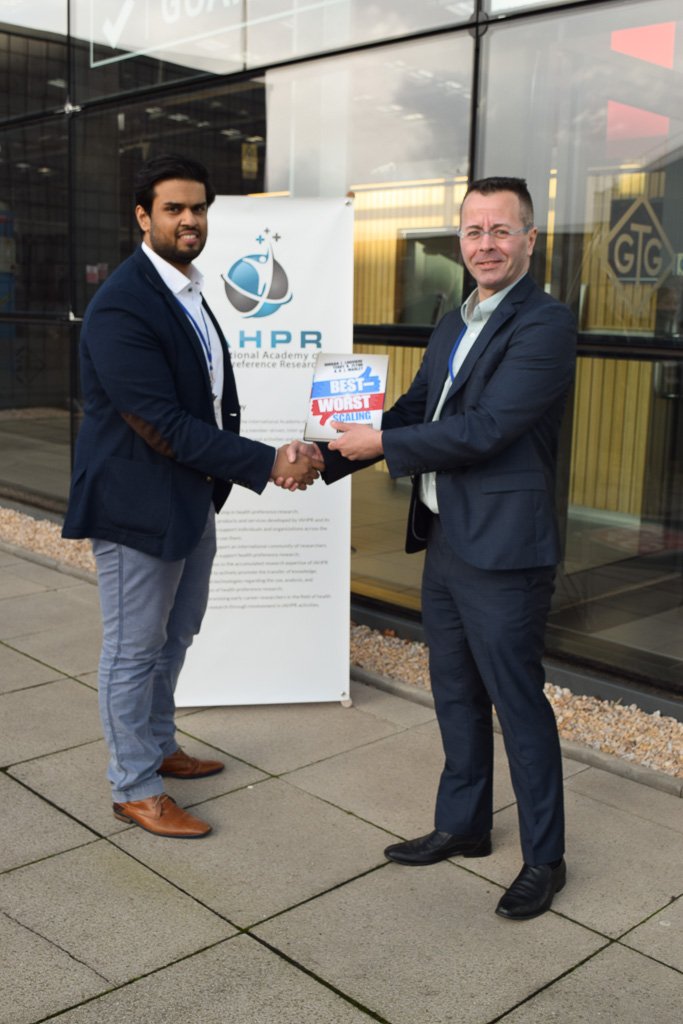
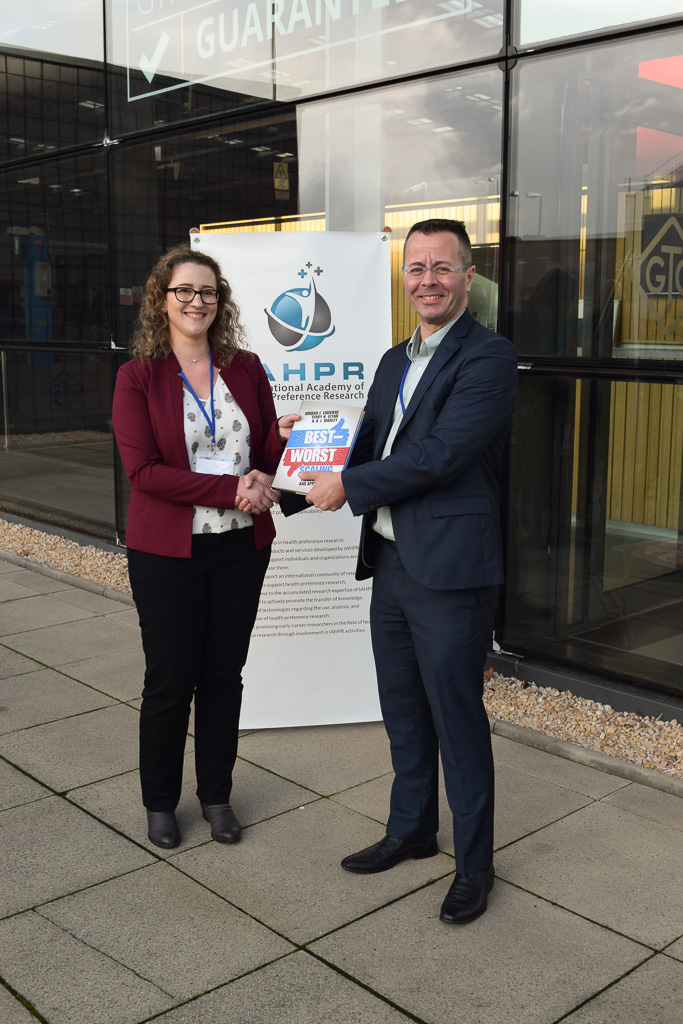
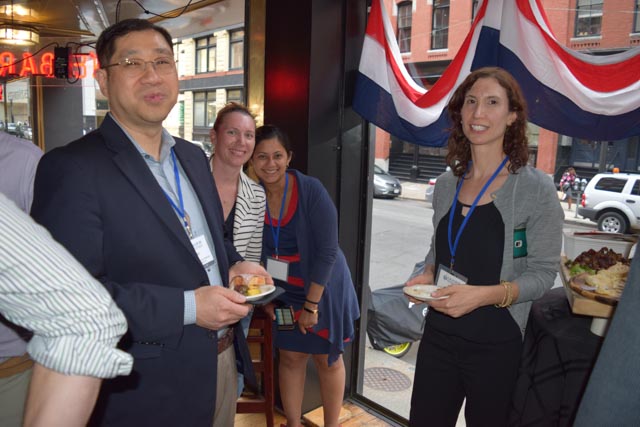
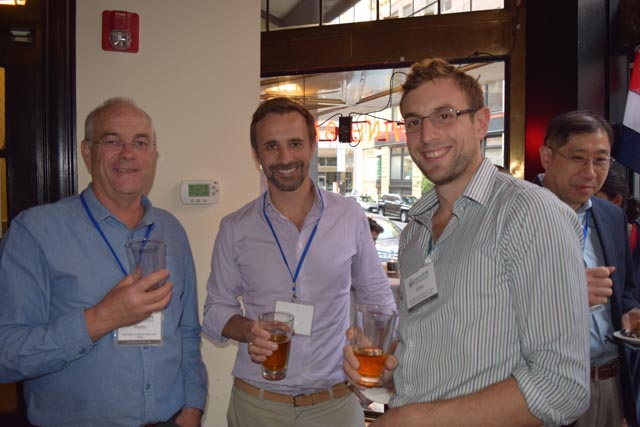
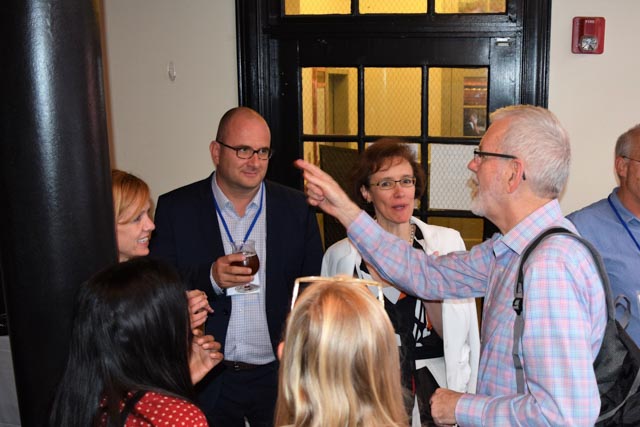
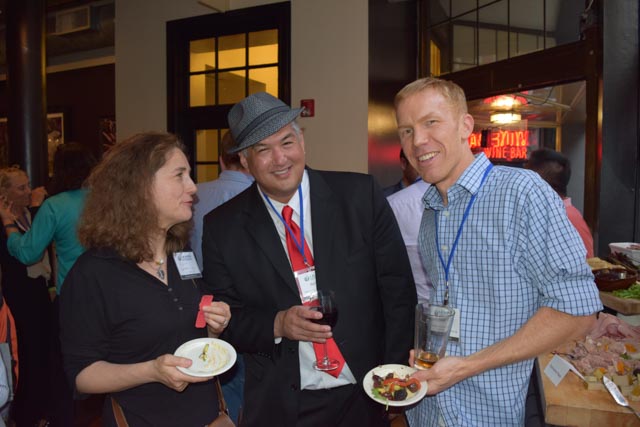
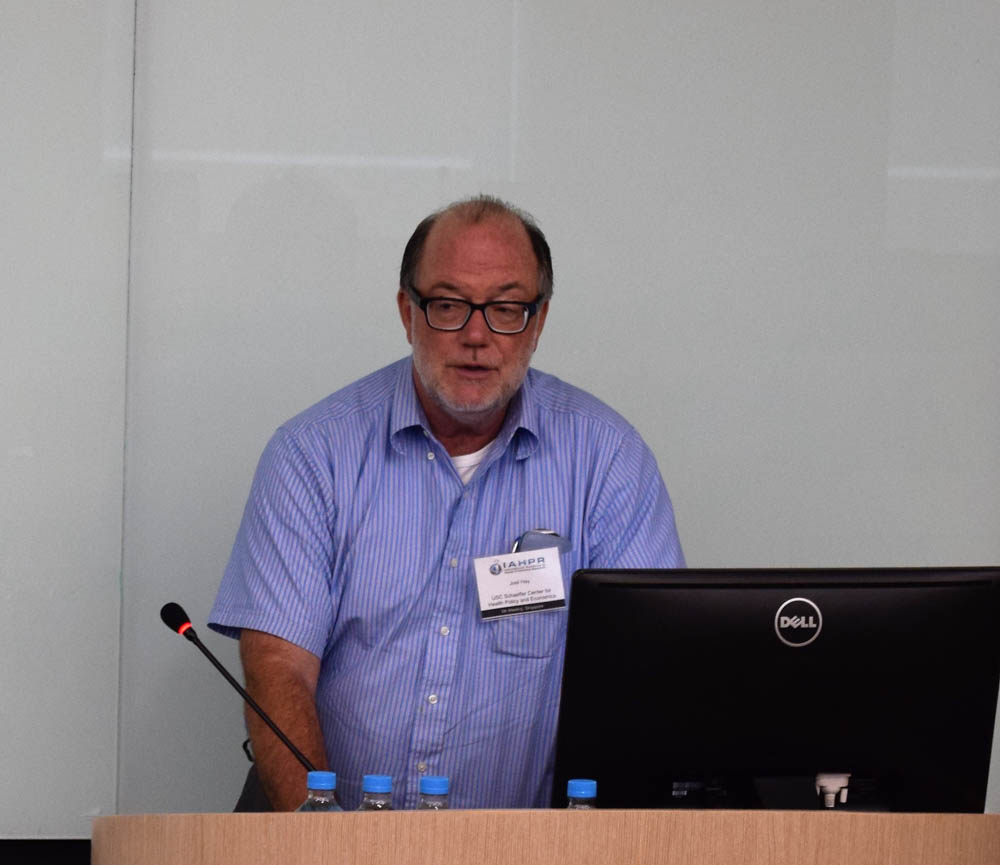
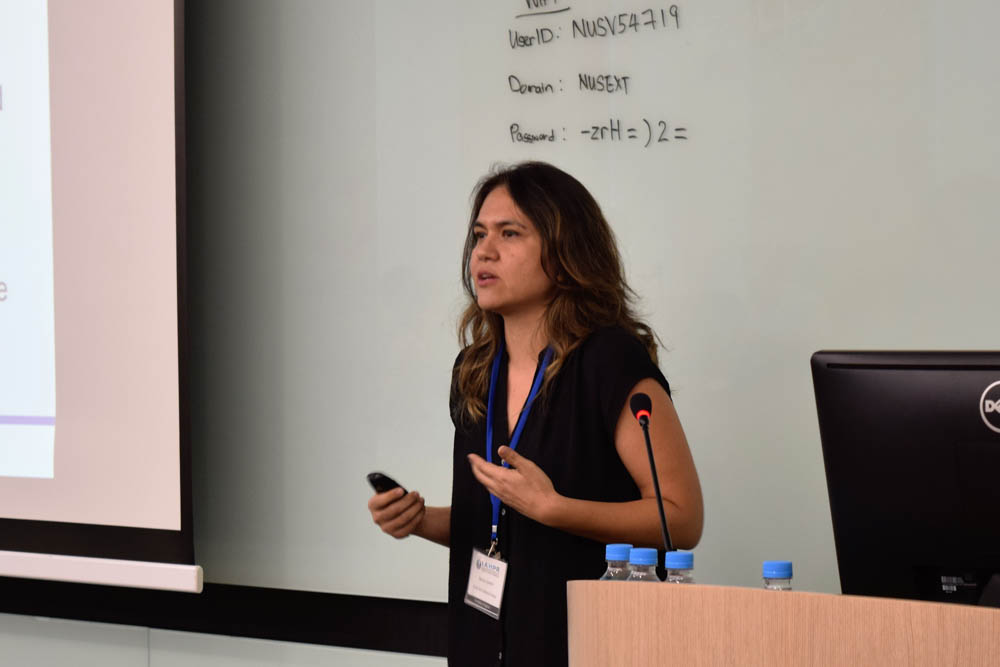
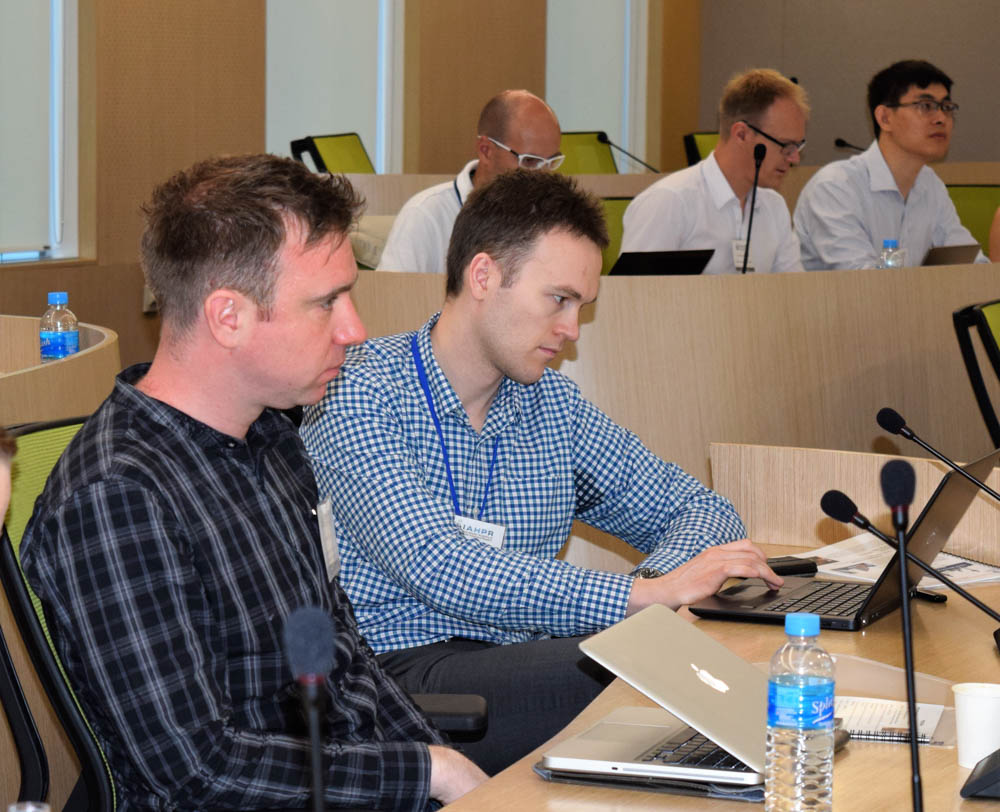
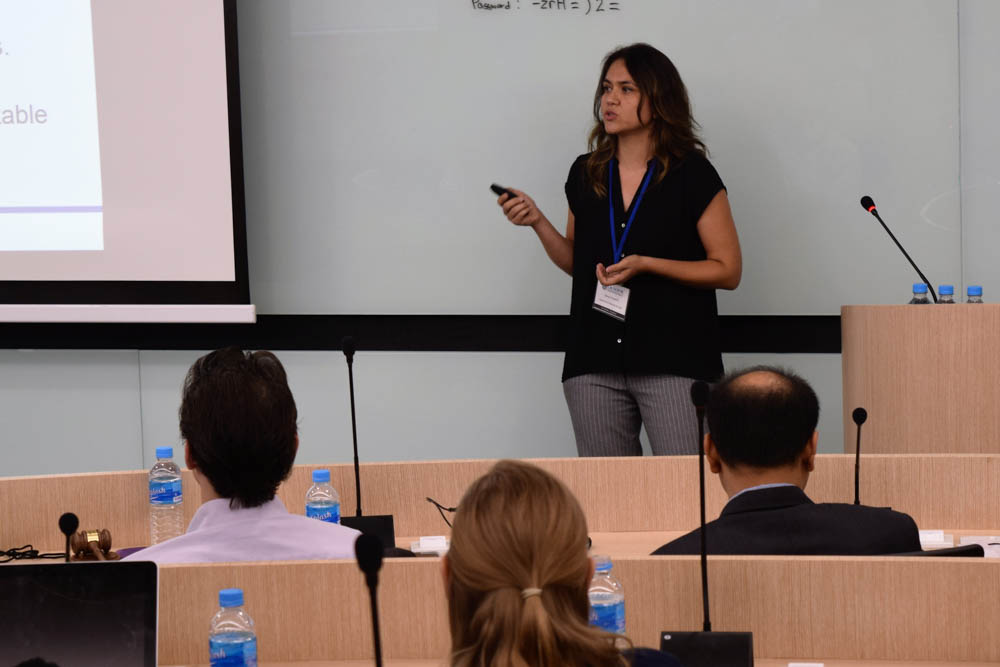
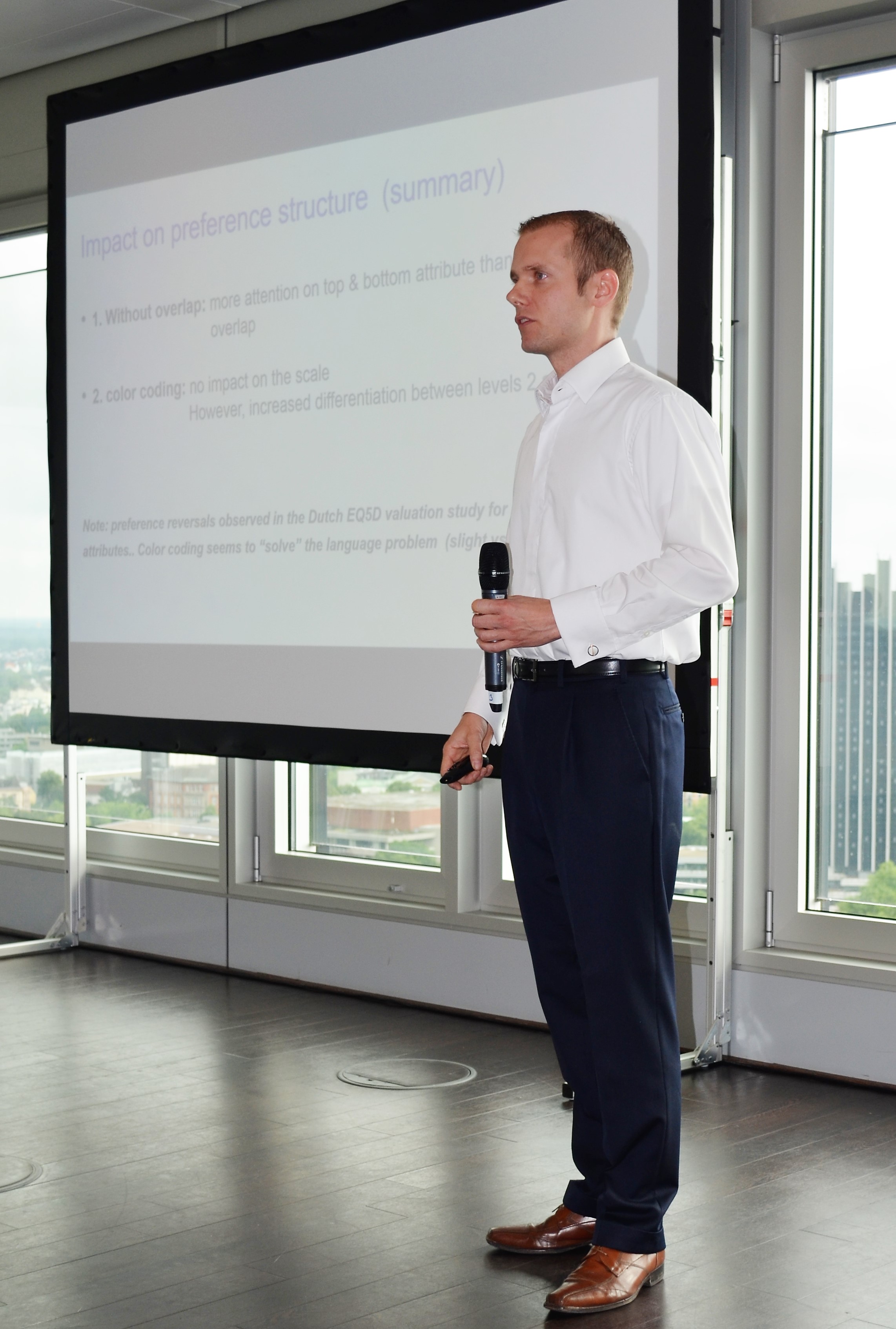
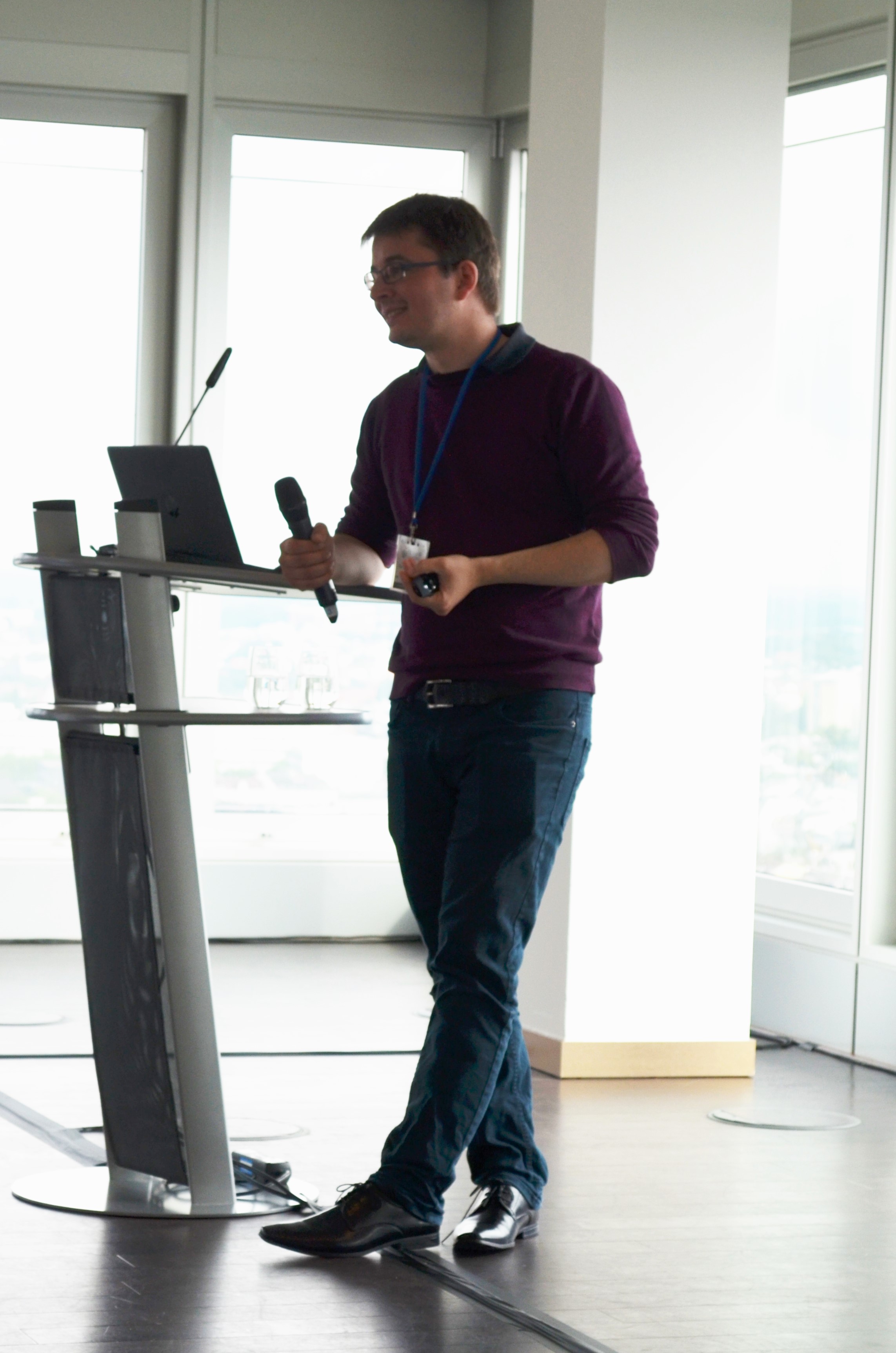
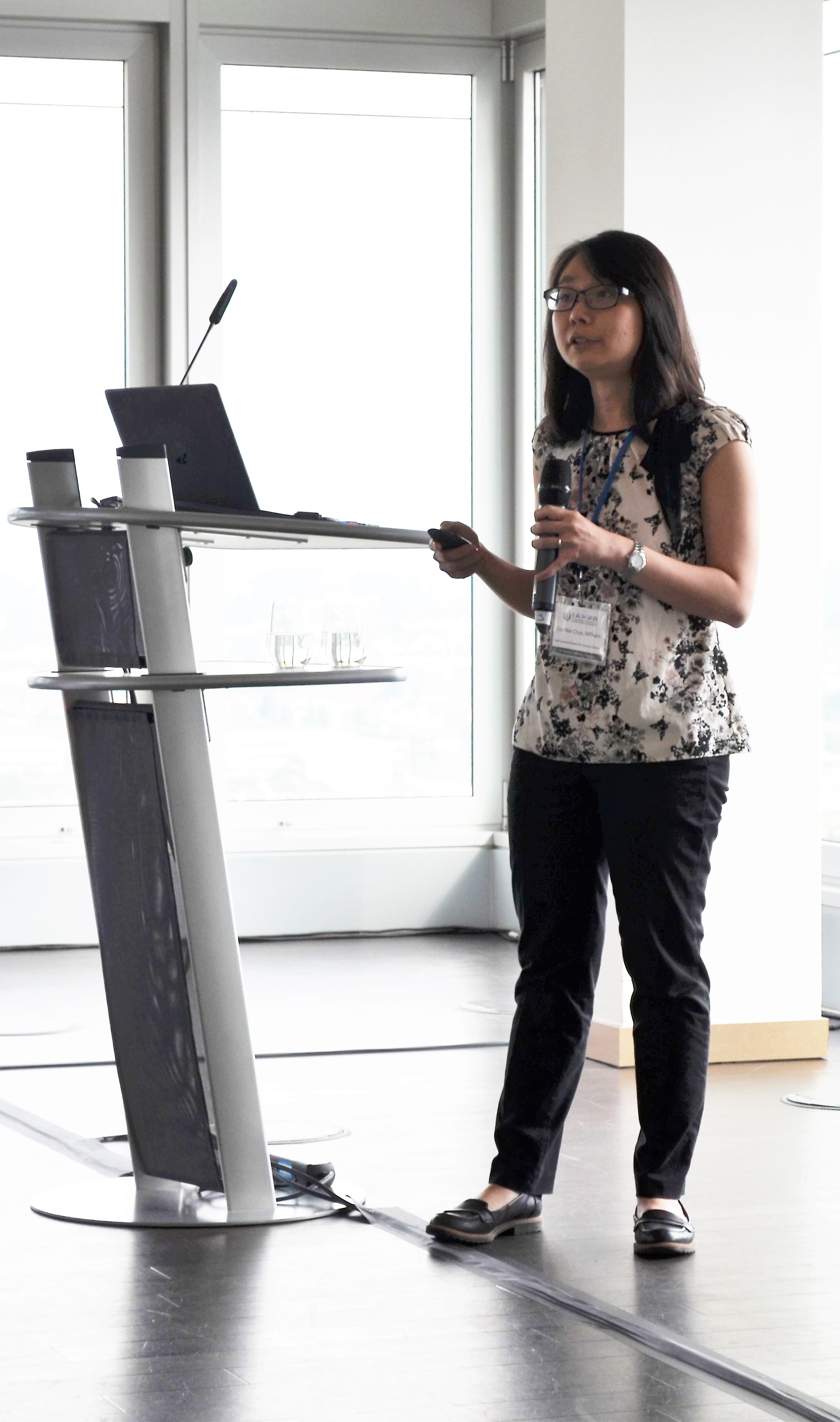
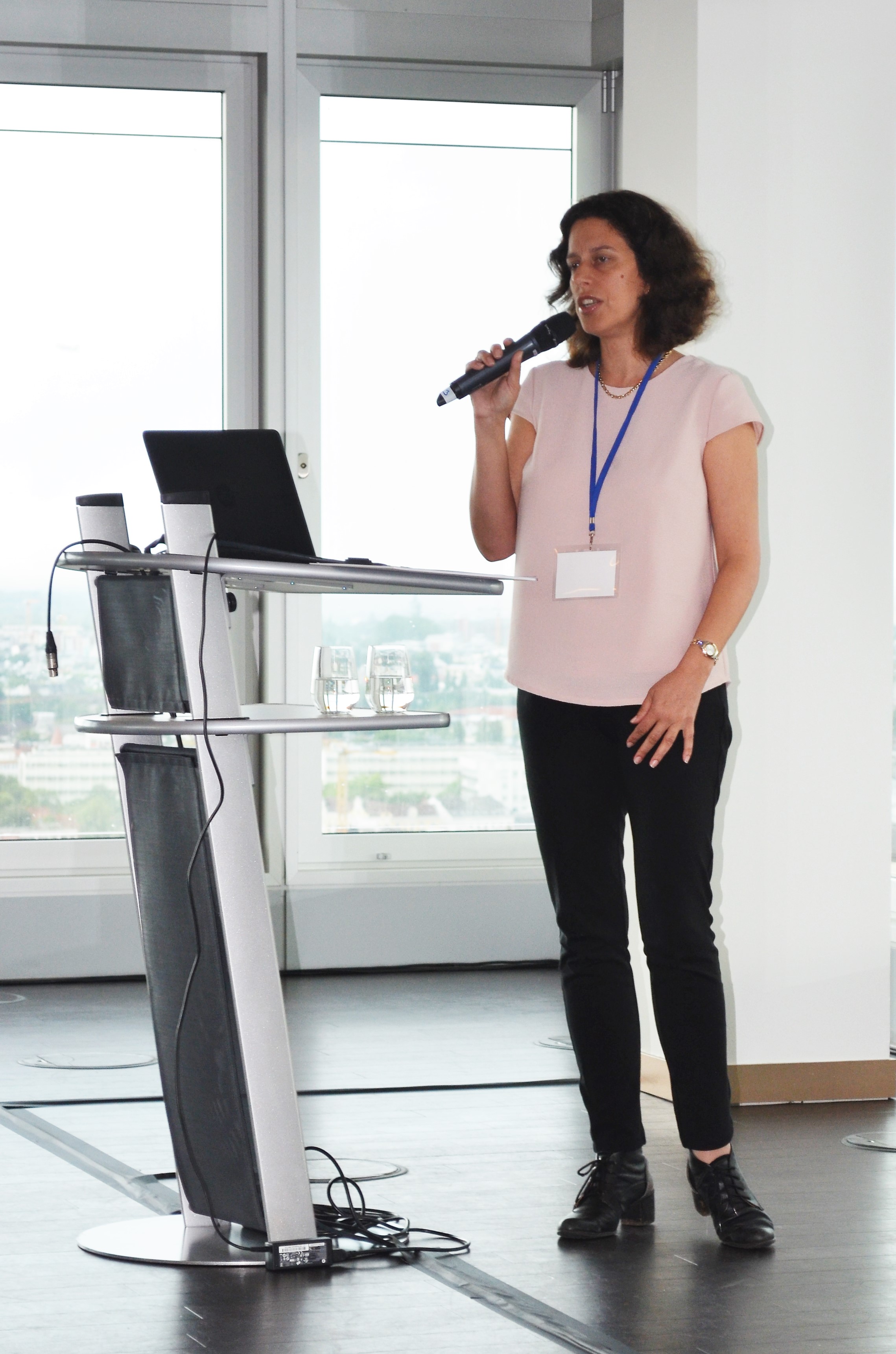
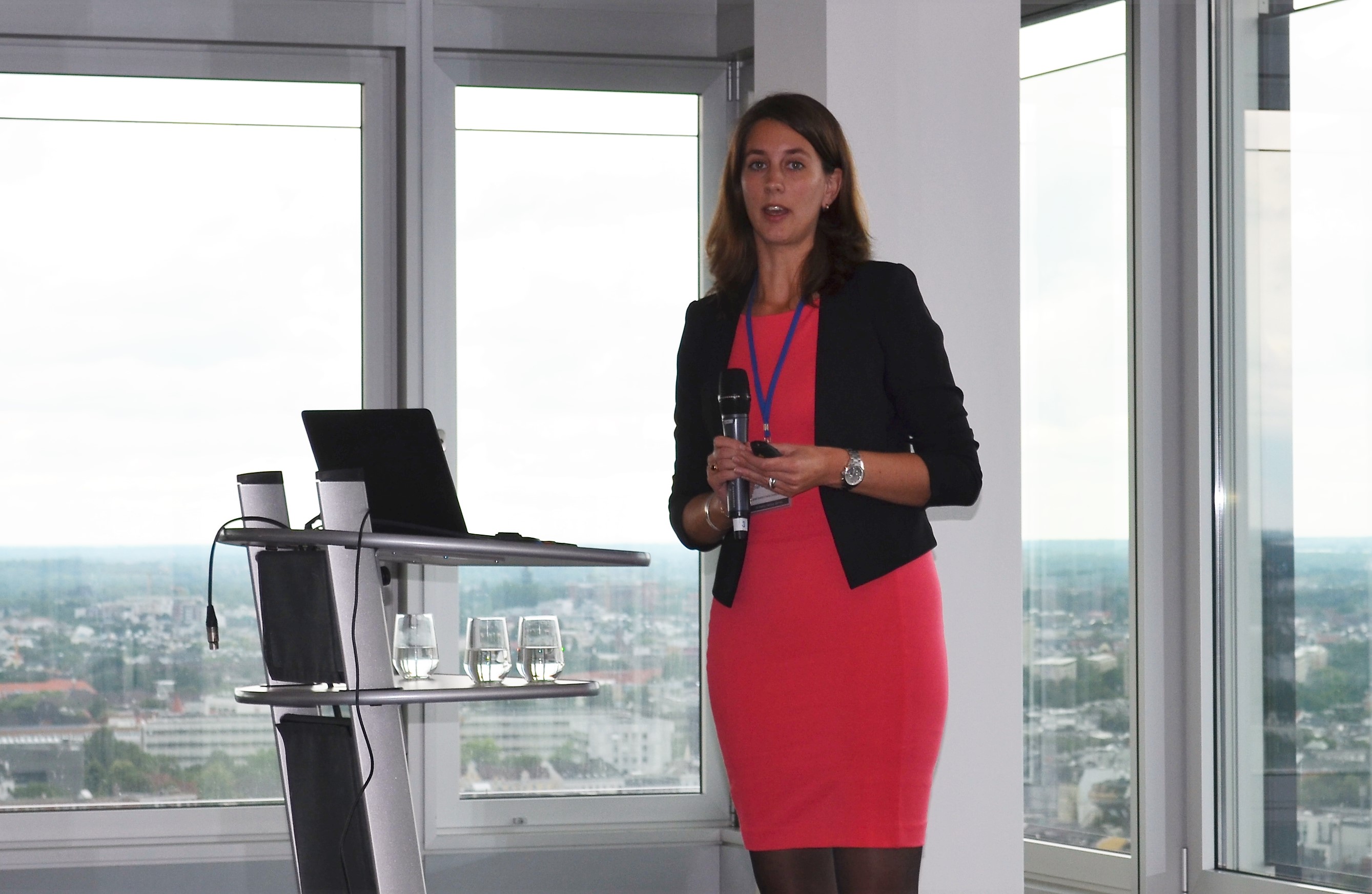
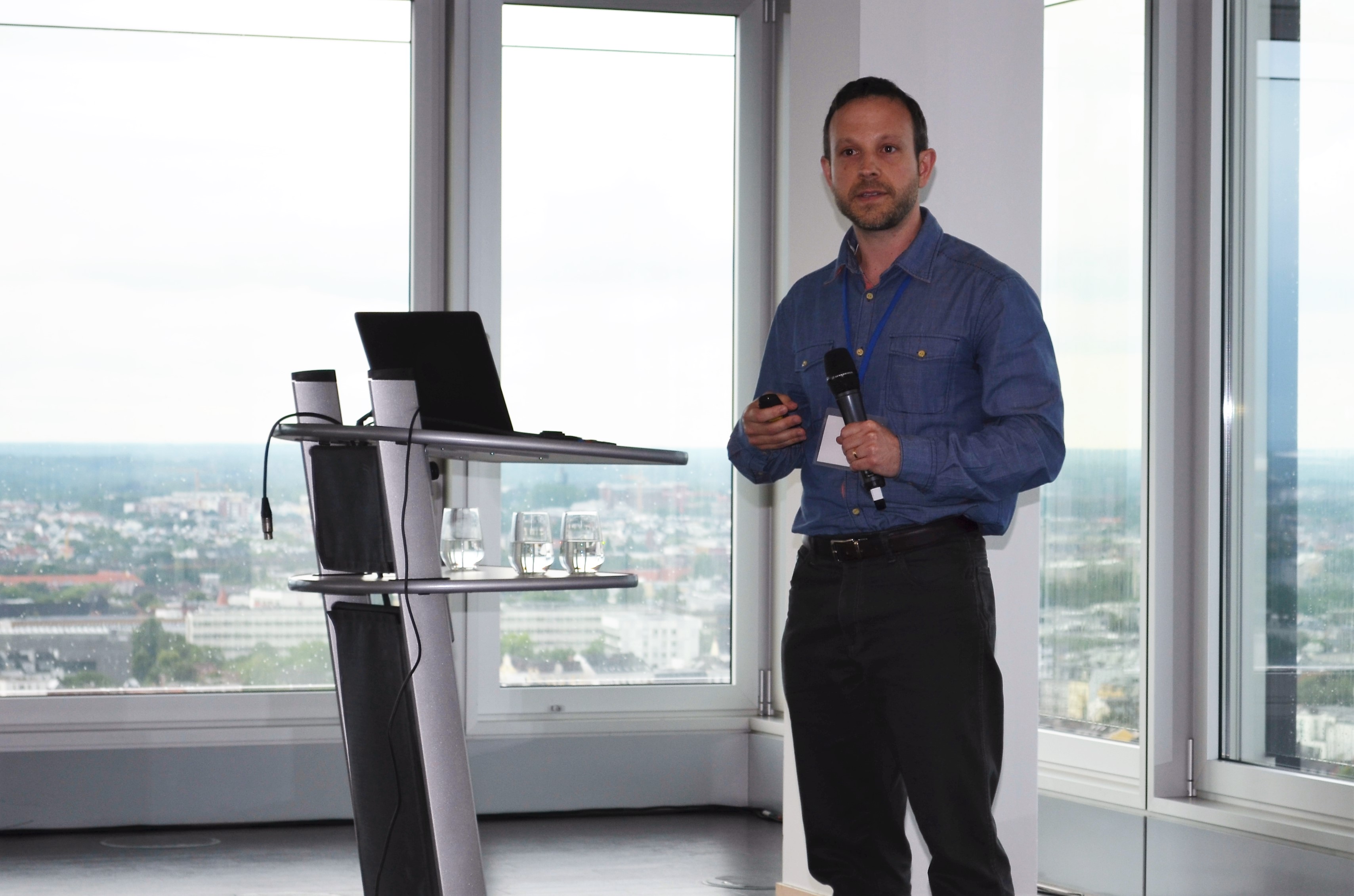
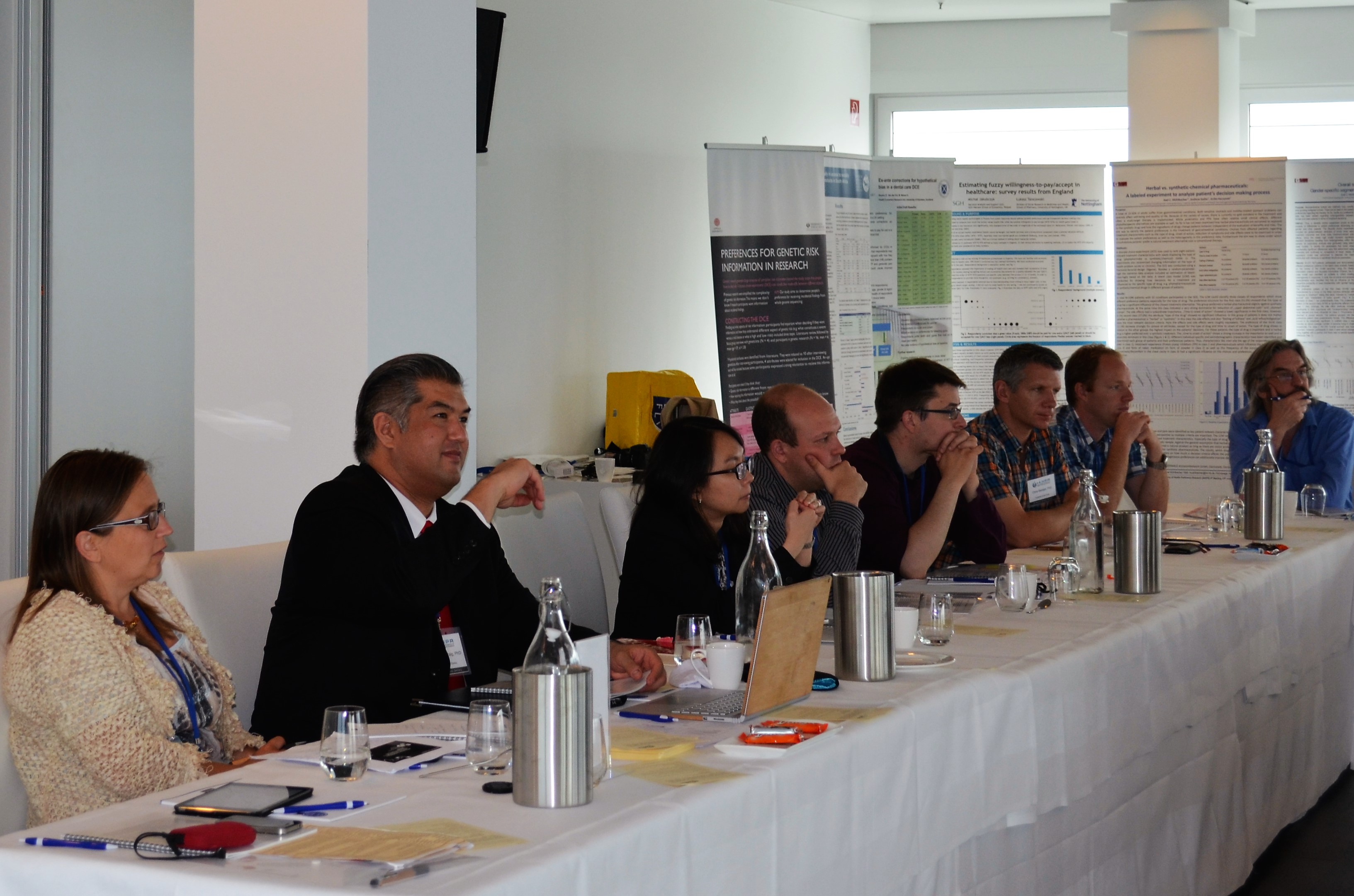
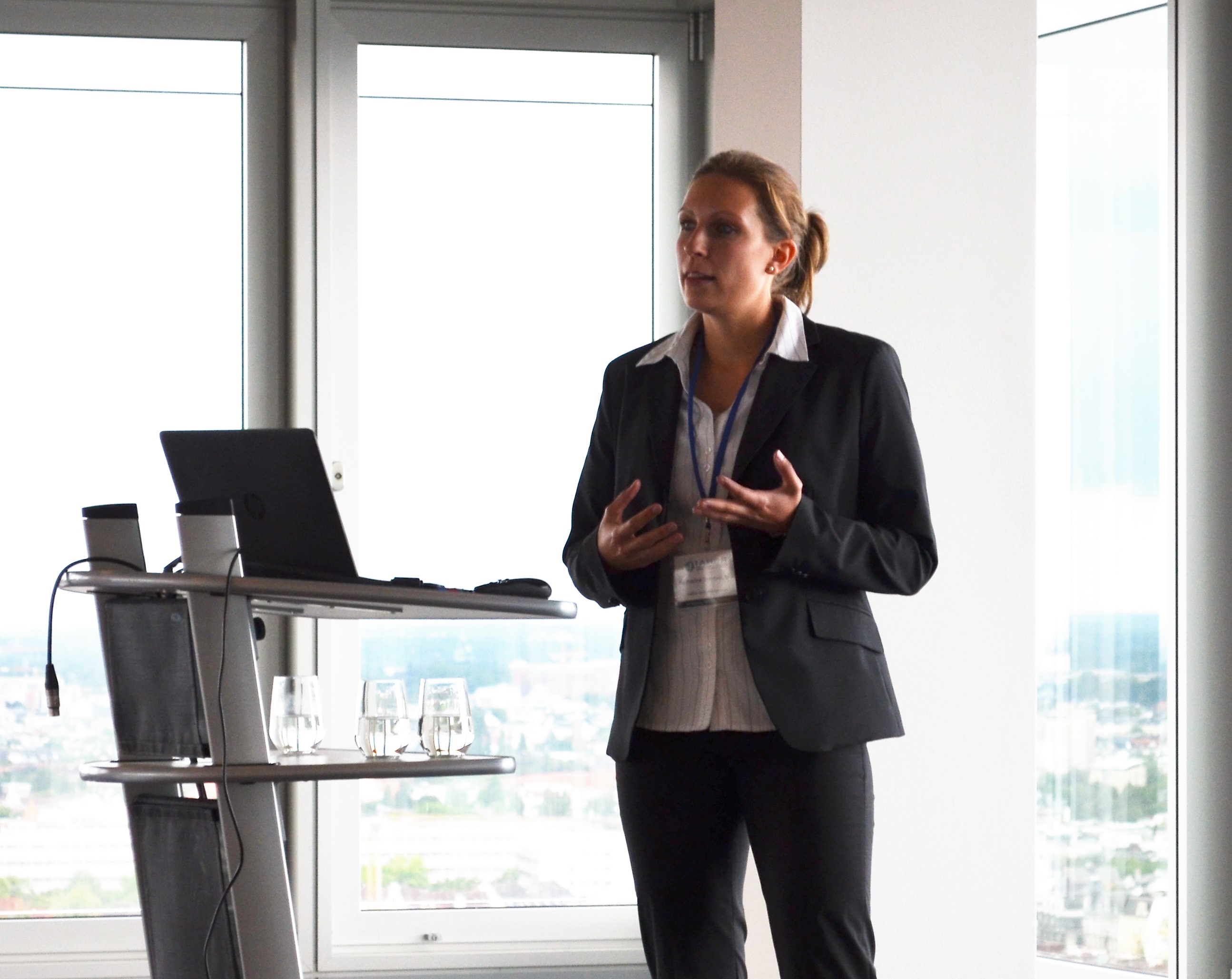
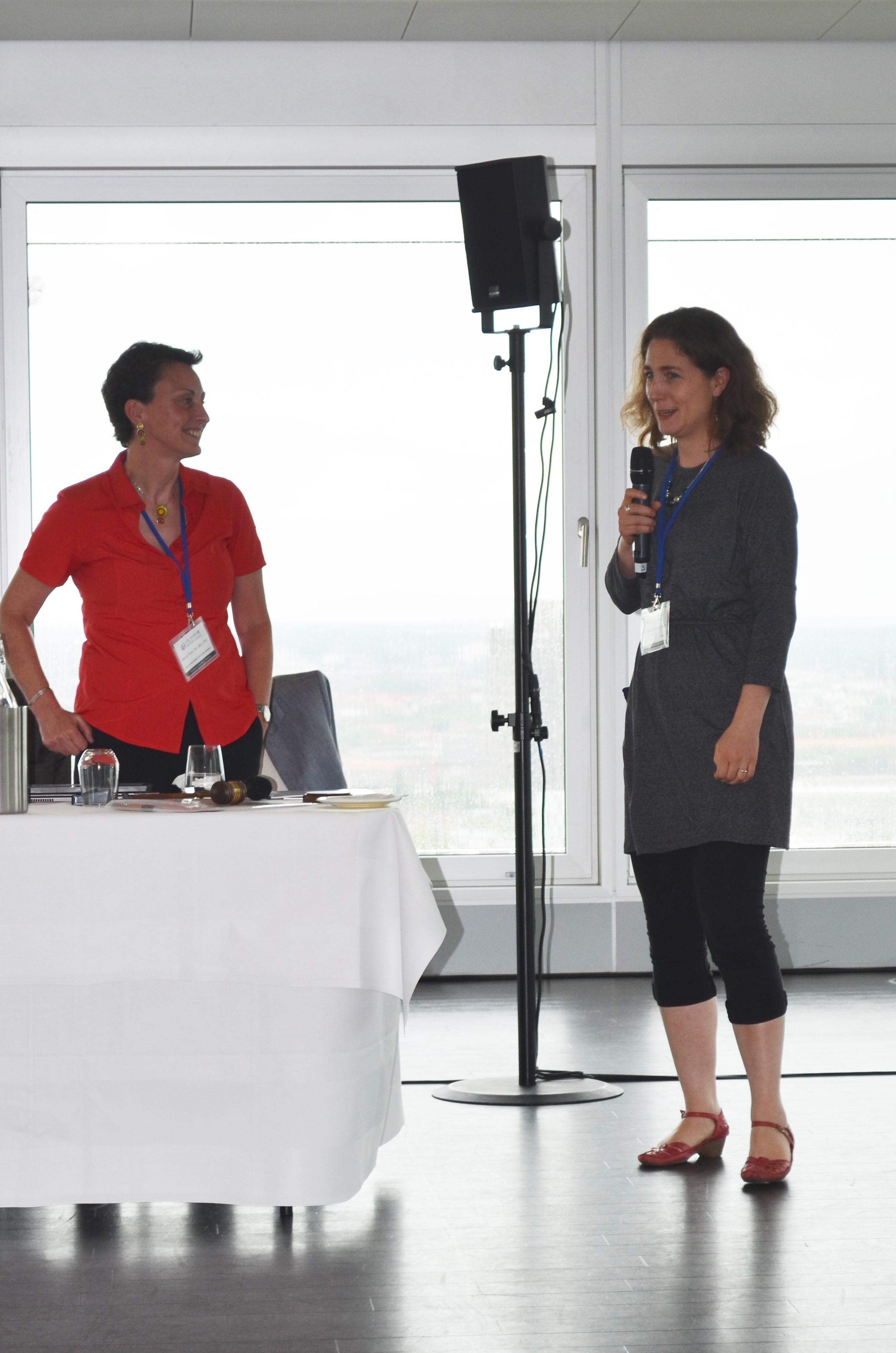
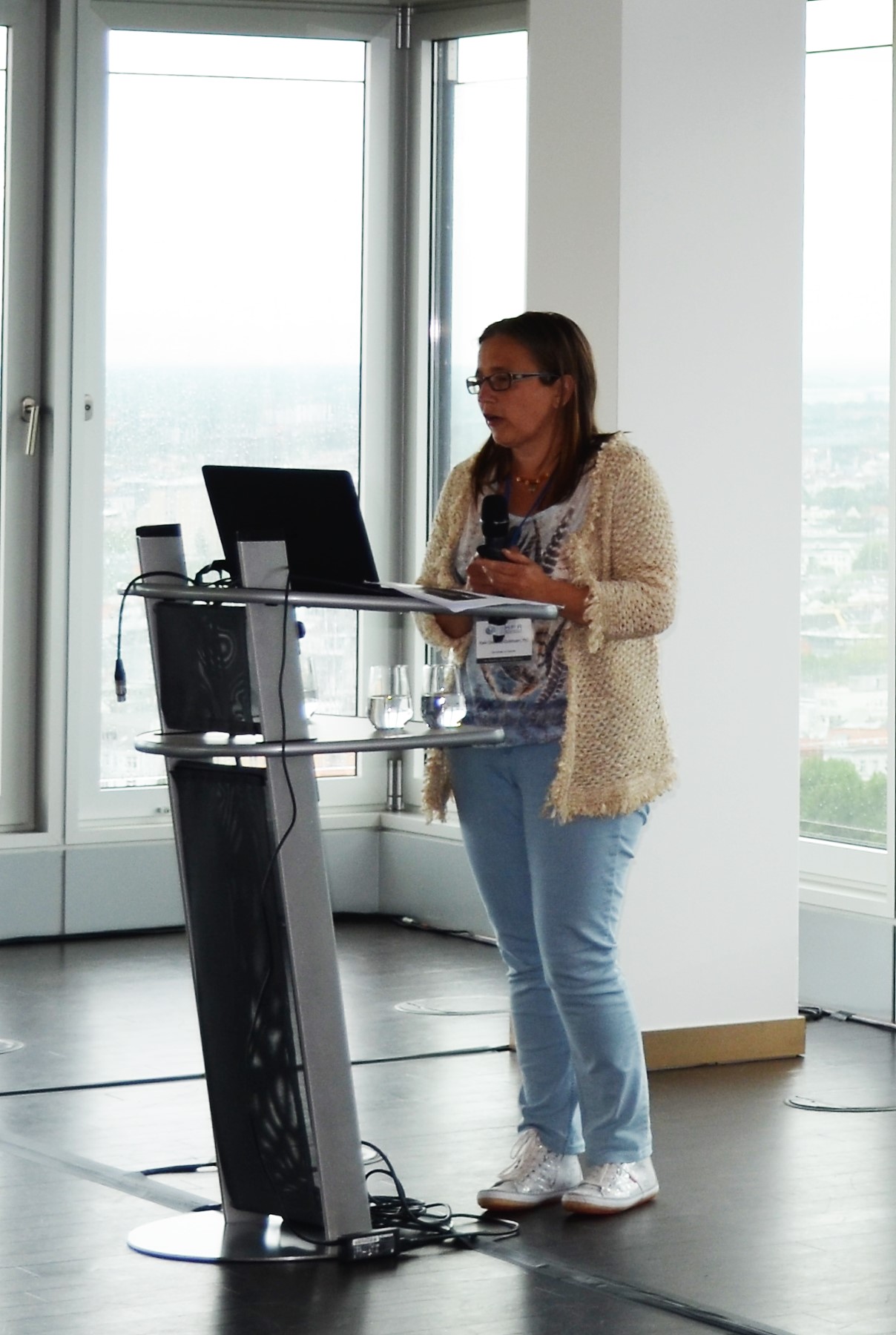
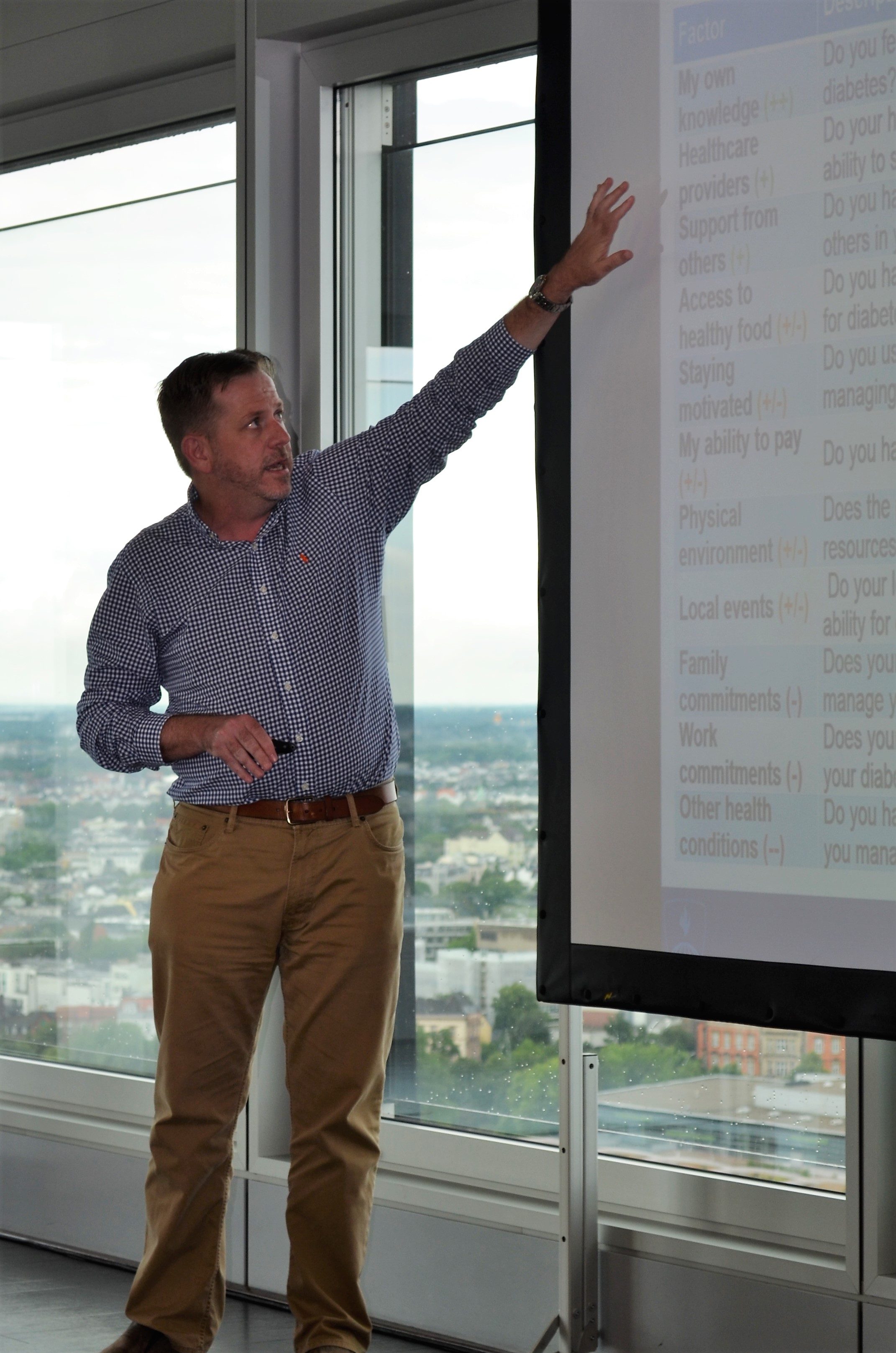
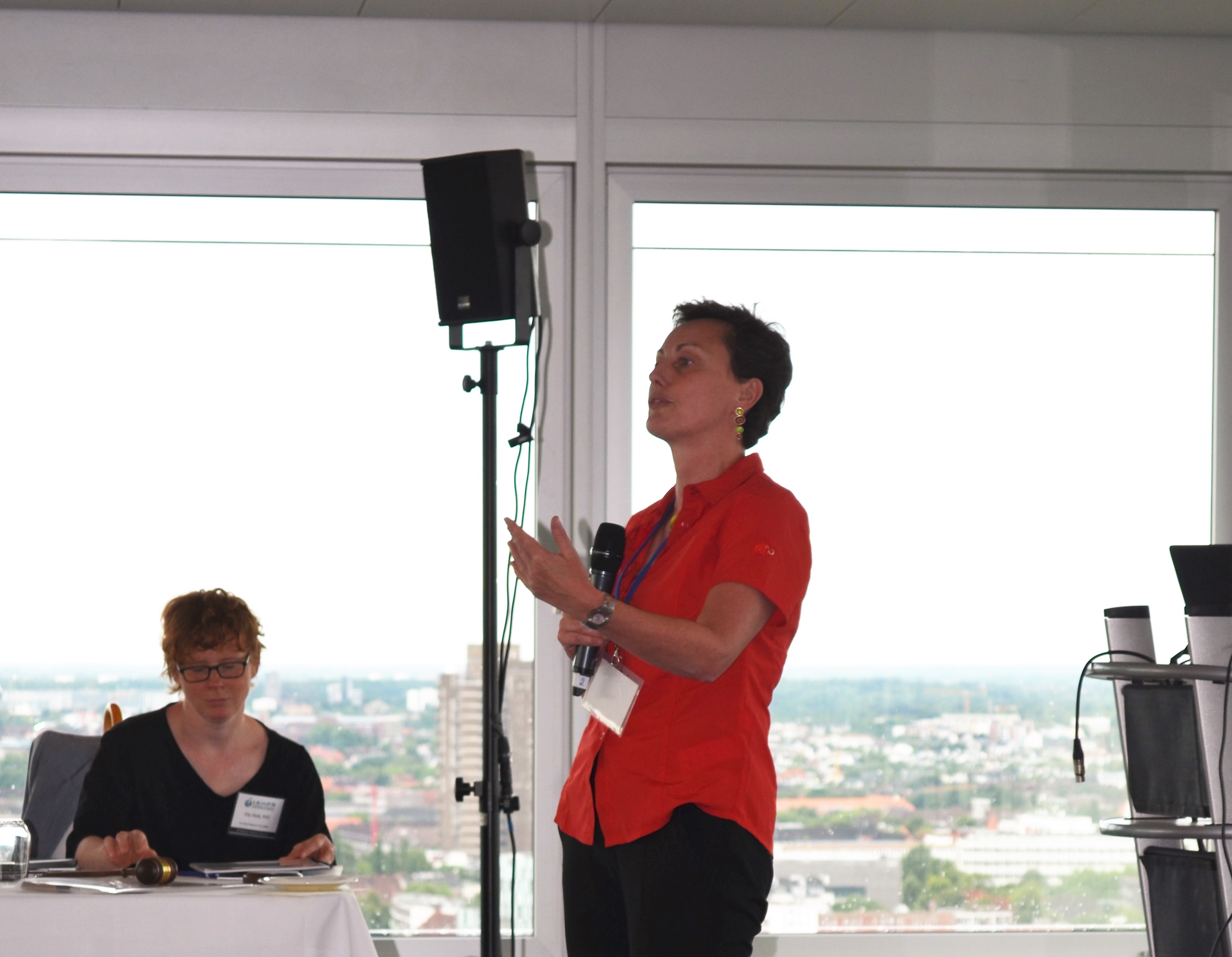
Save the Date for the 14th IAHPR Meeting

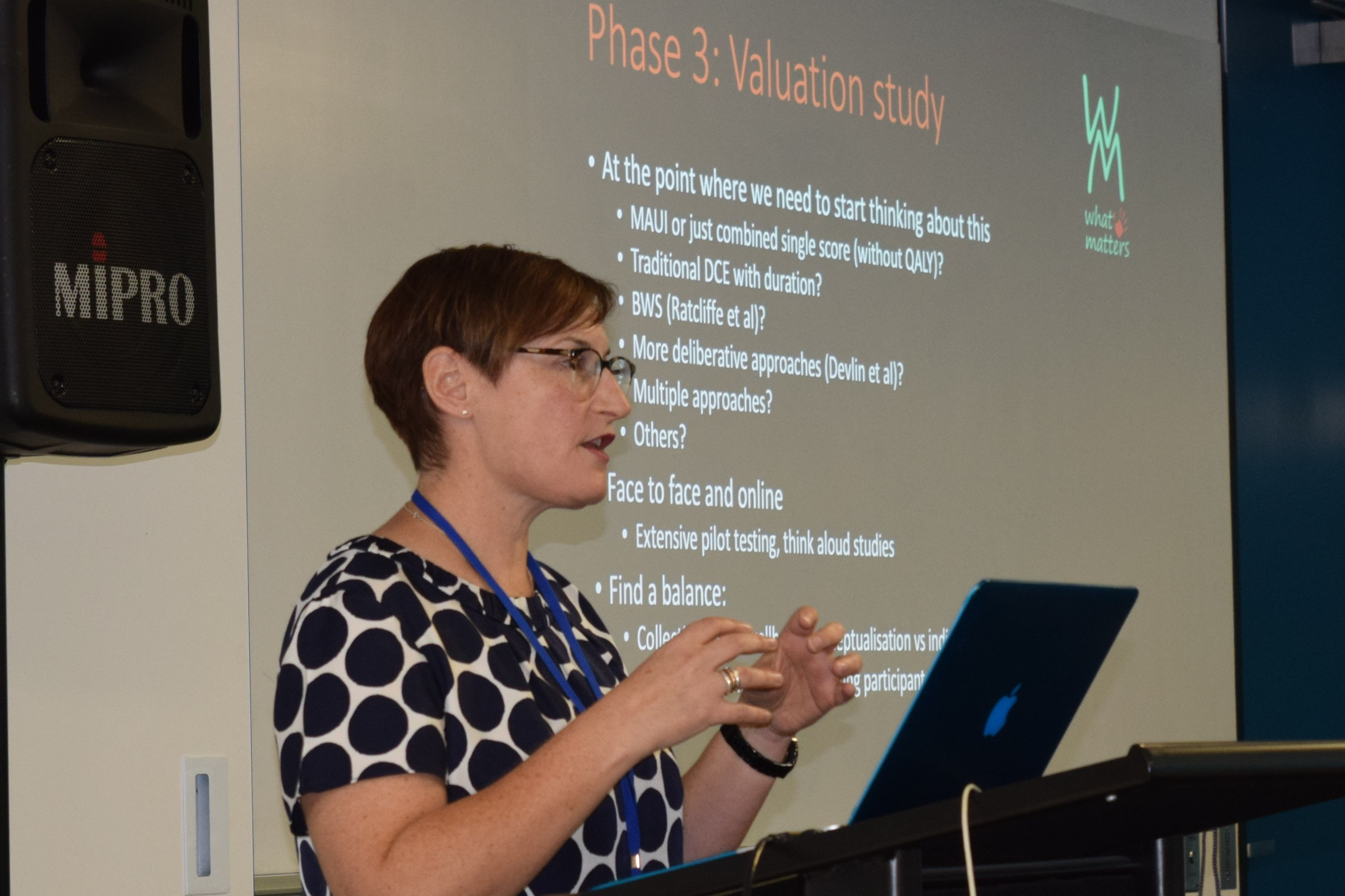
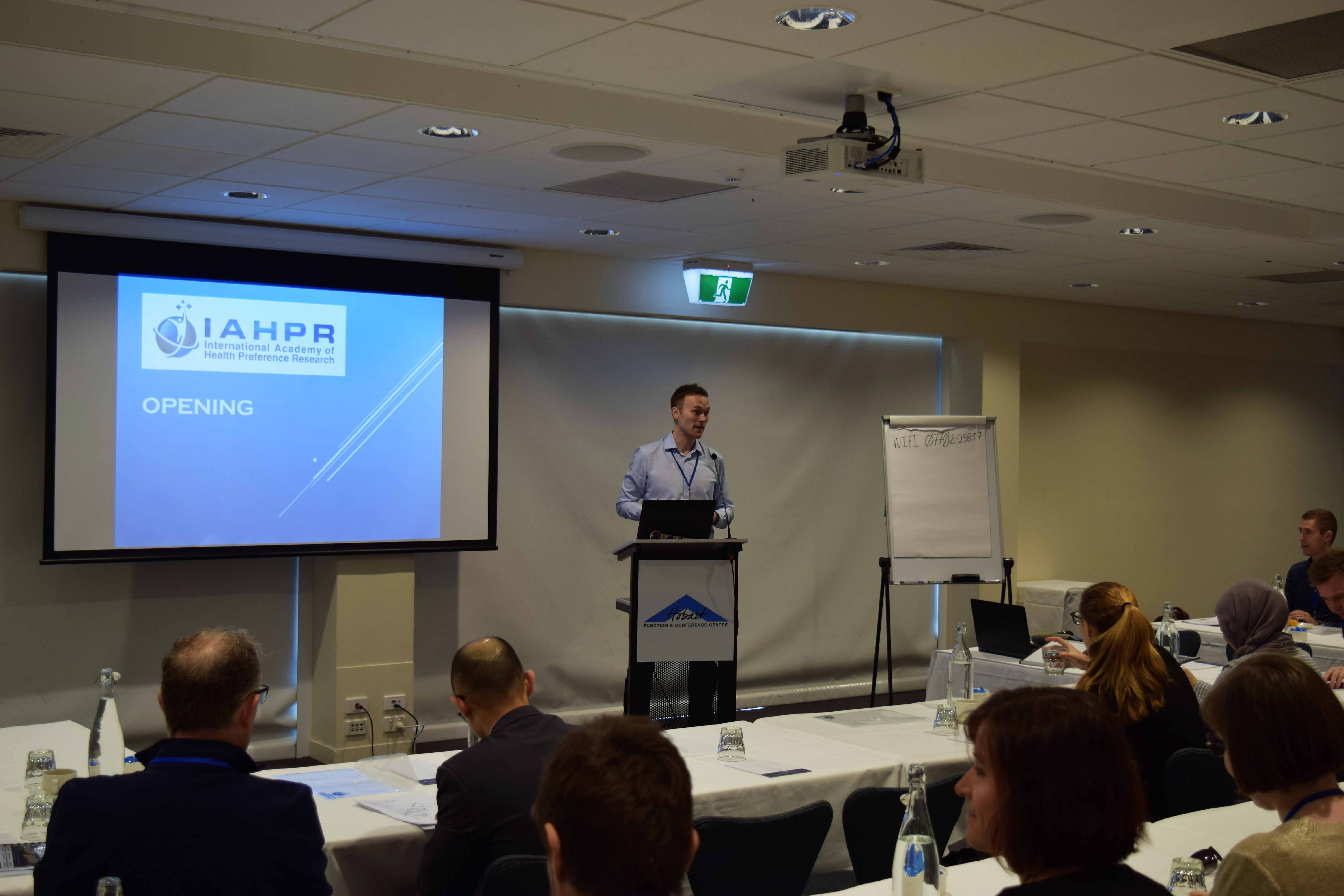
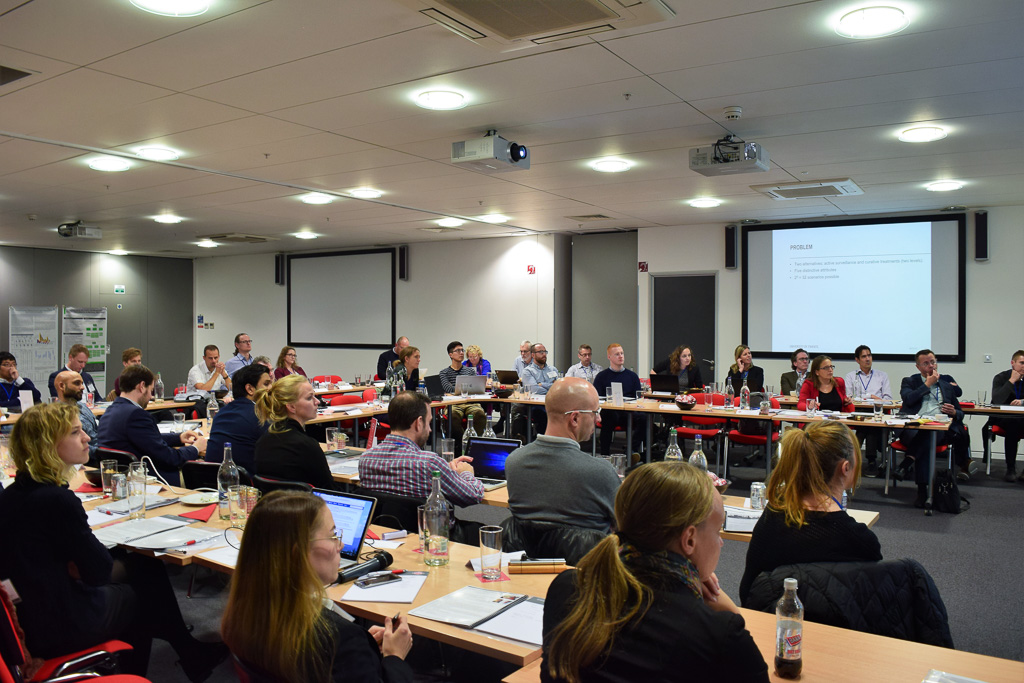
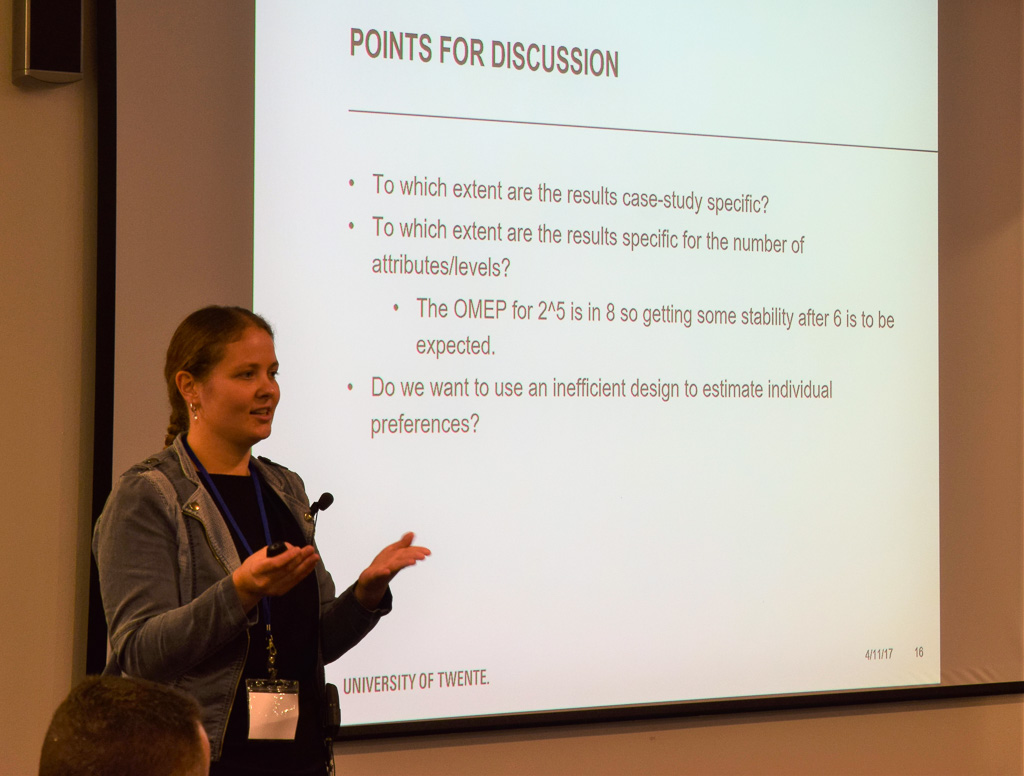
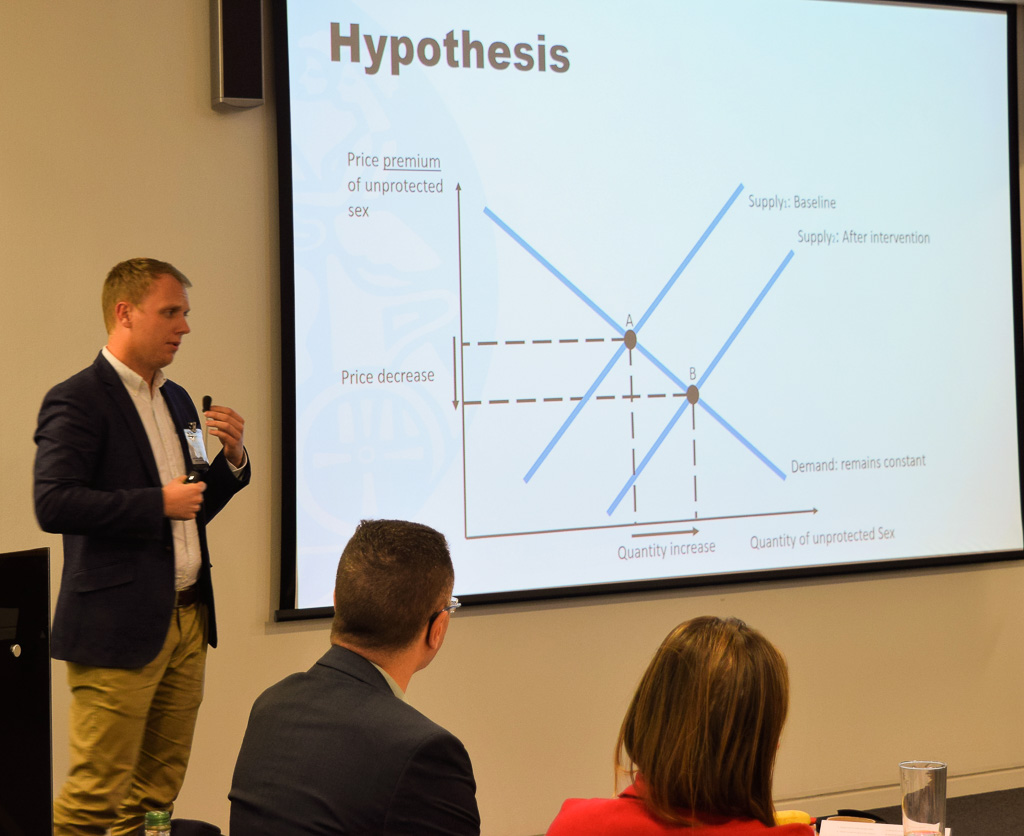
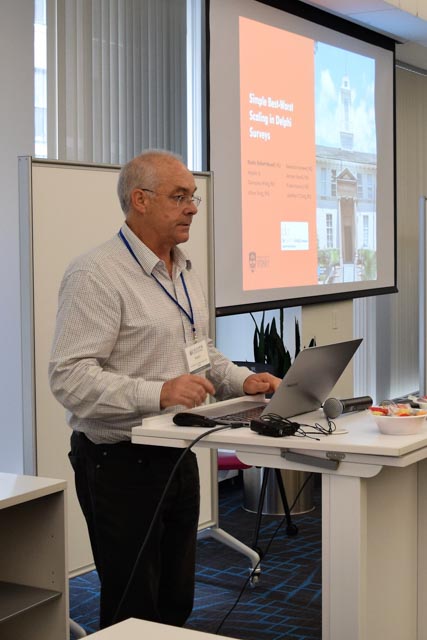
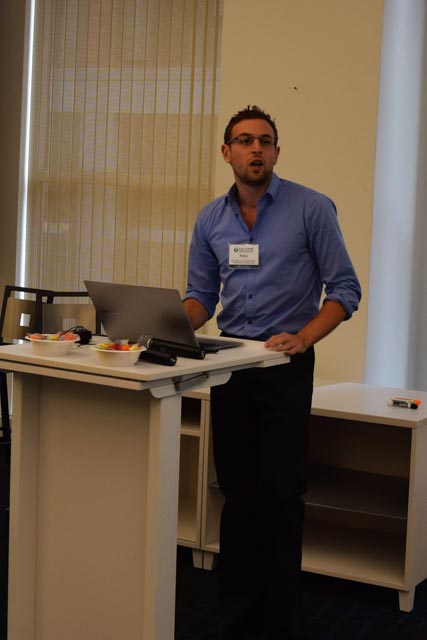
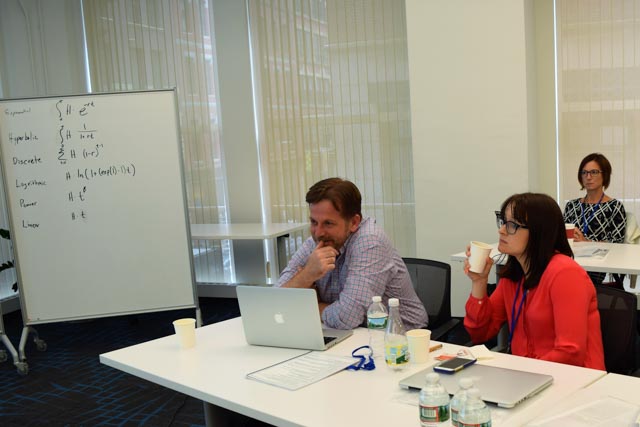
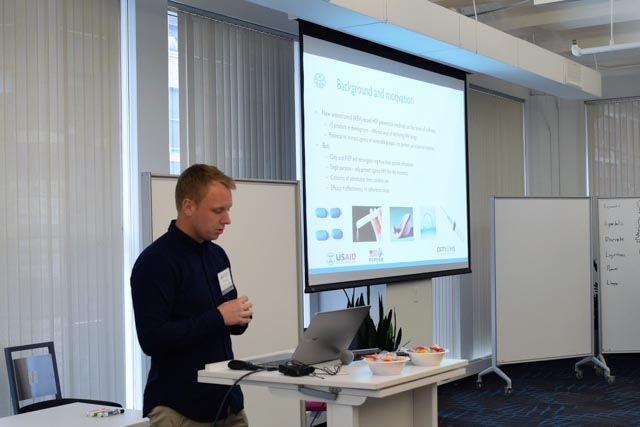
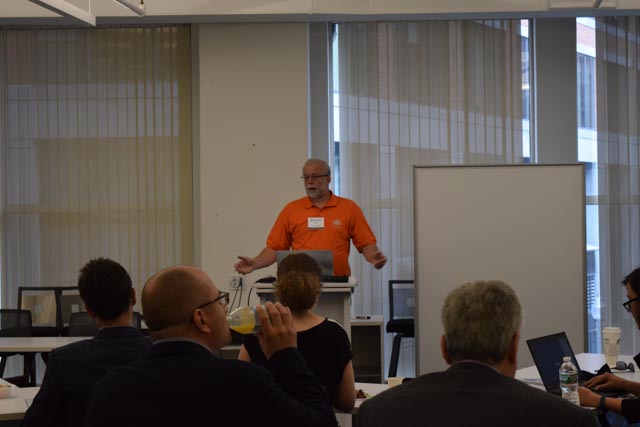
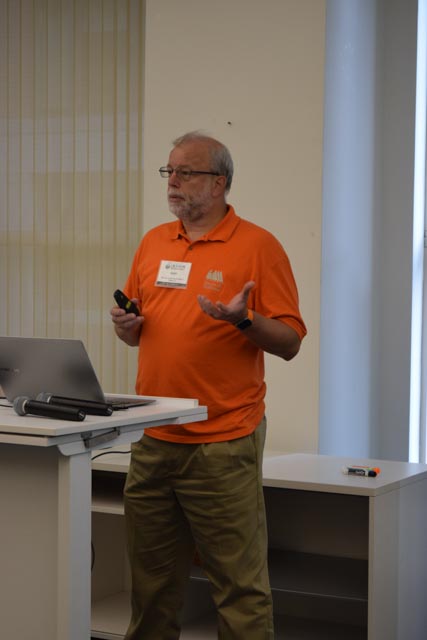
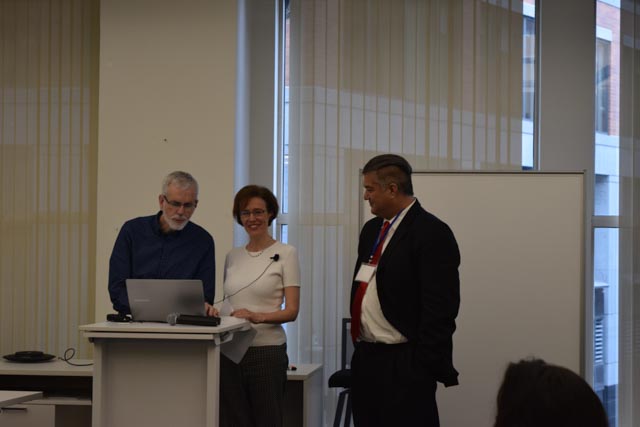
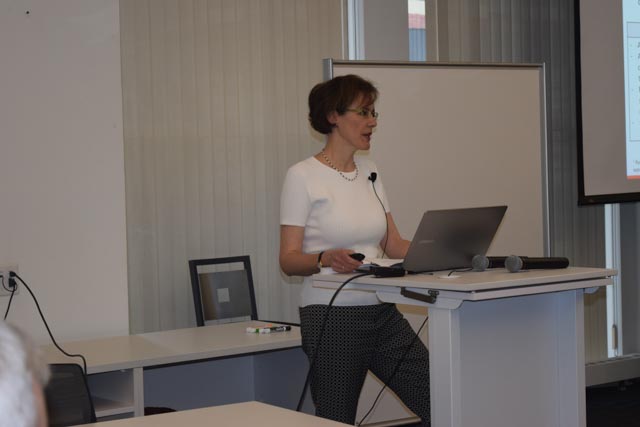
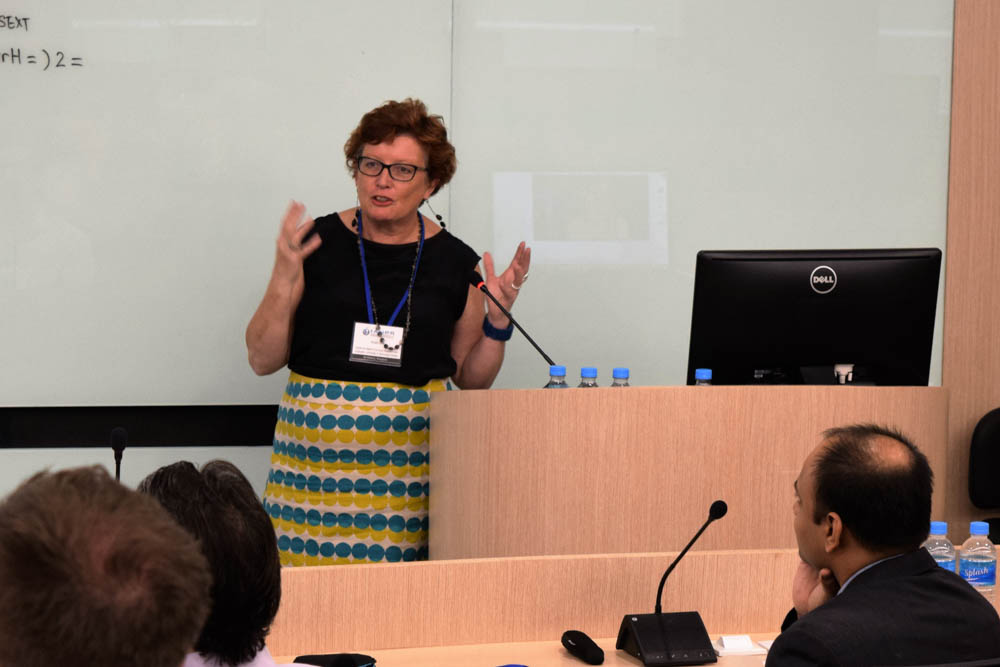
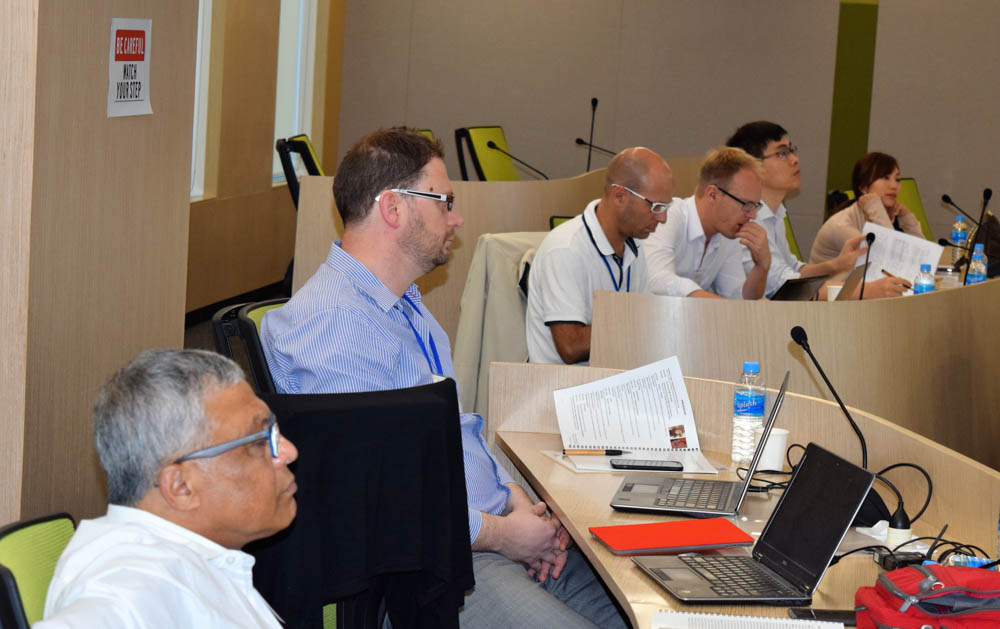
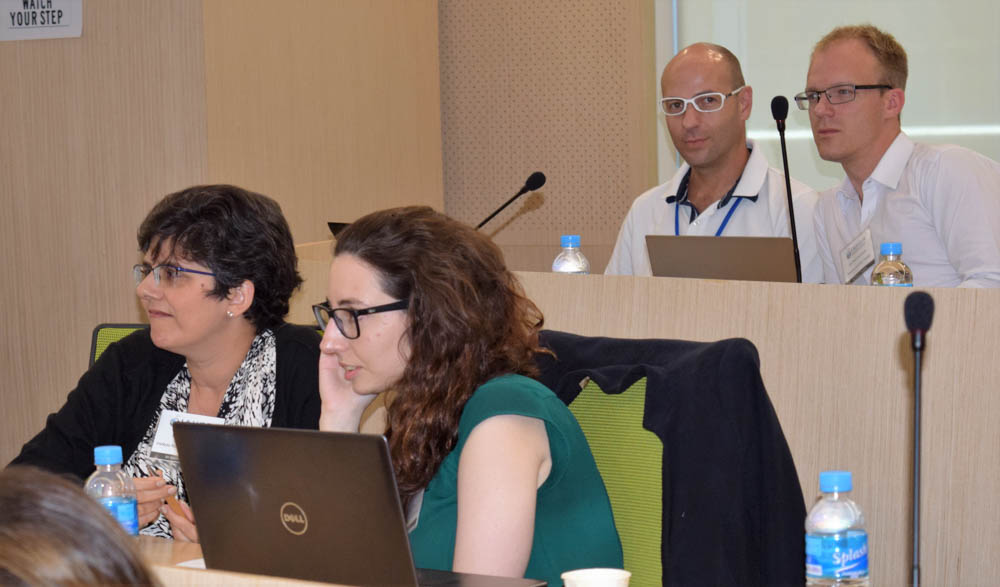
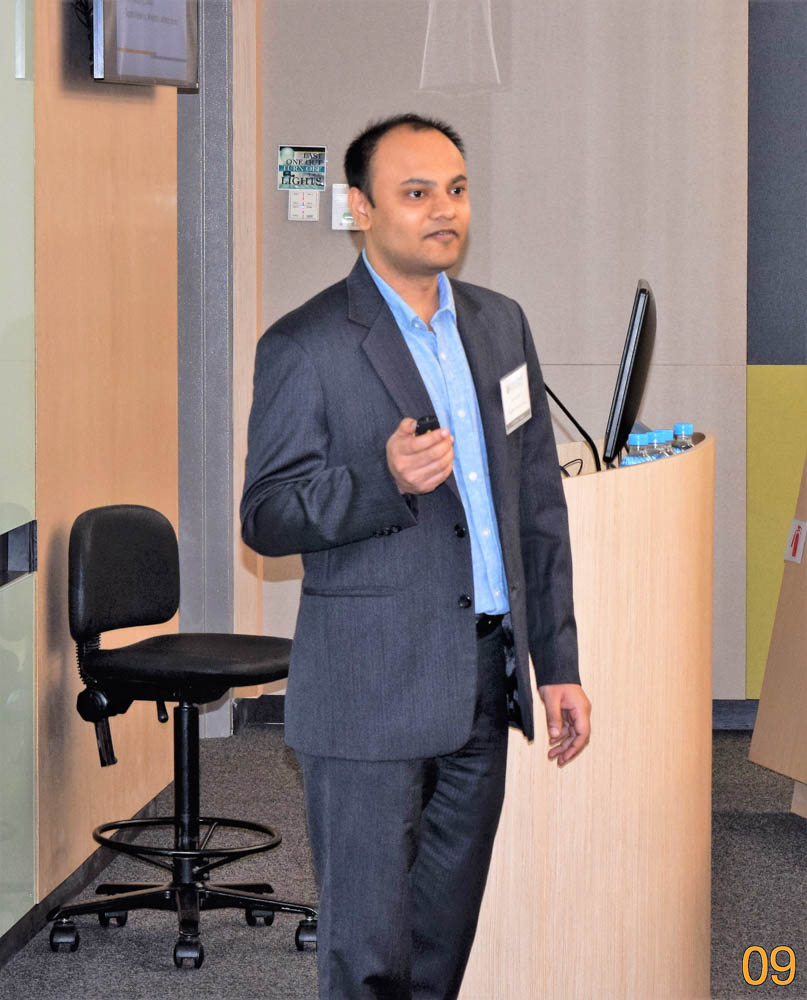
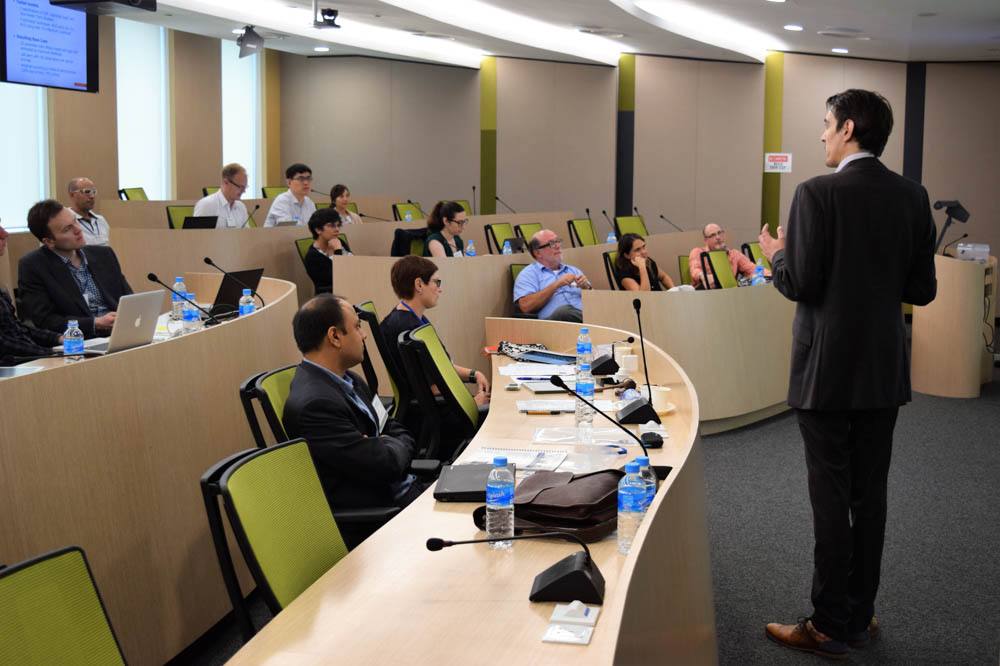
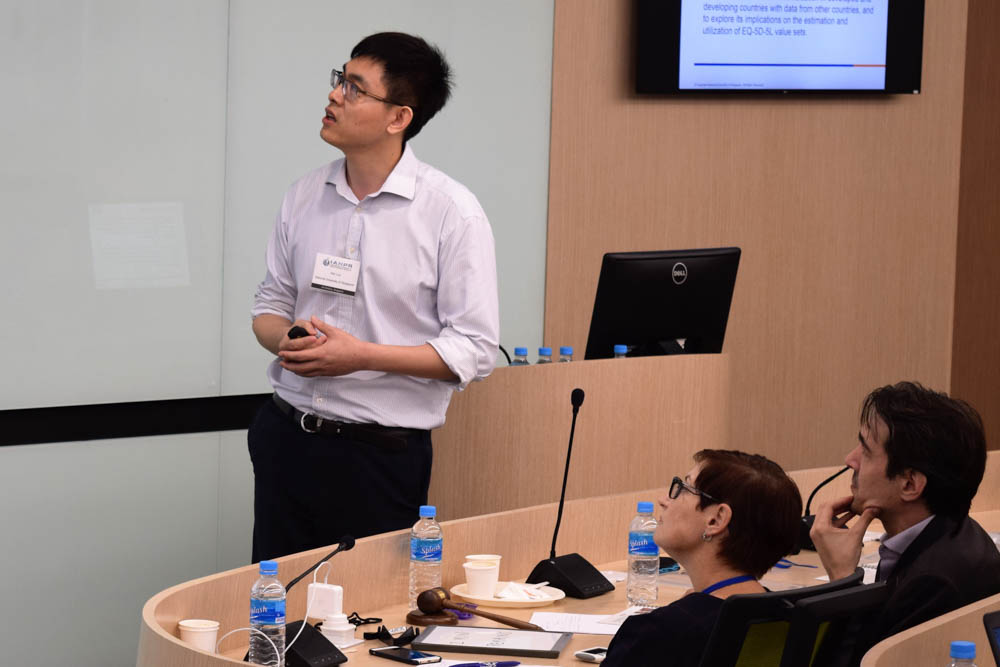
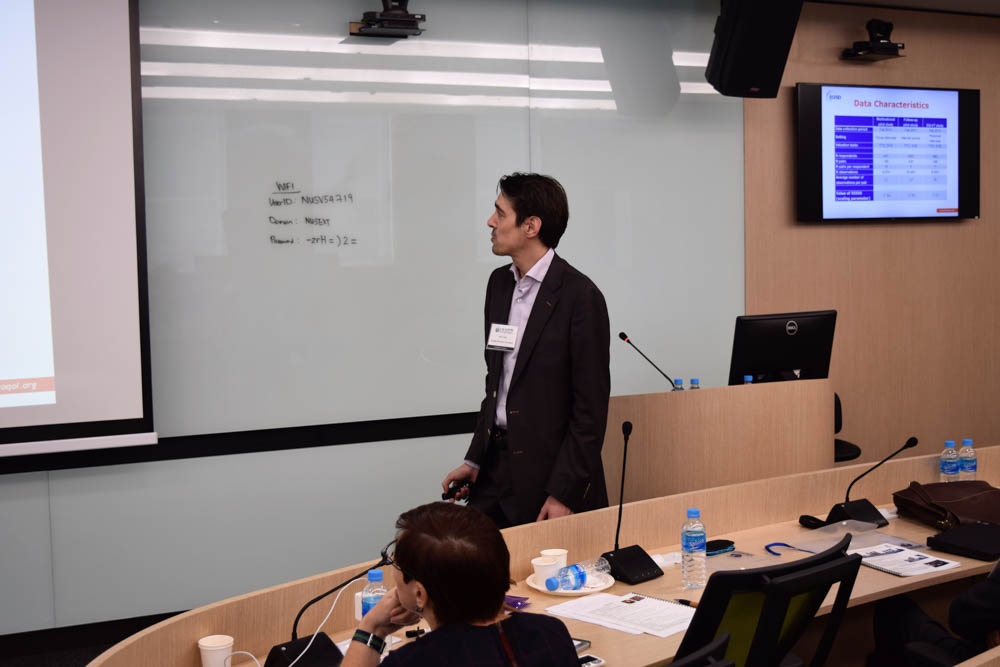
We are delighted to announce that the International Academy of Health Preference Research (IAHPR) will host our next yearly in-person meeting on Wednesday and Thursday, 21-22 June 2023, in Sydney, Australia. We would love to see you there!

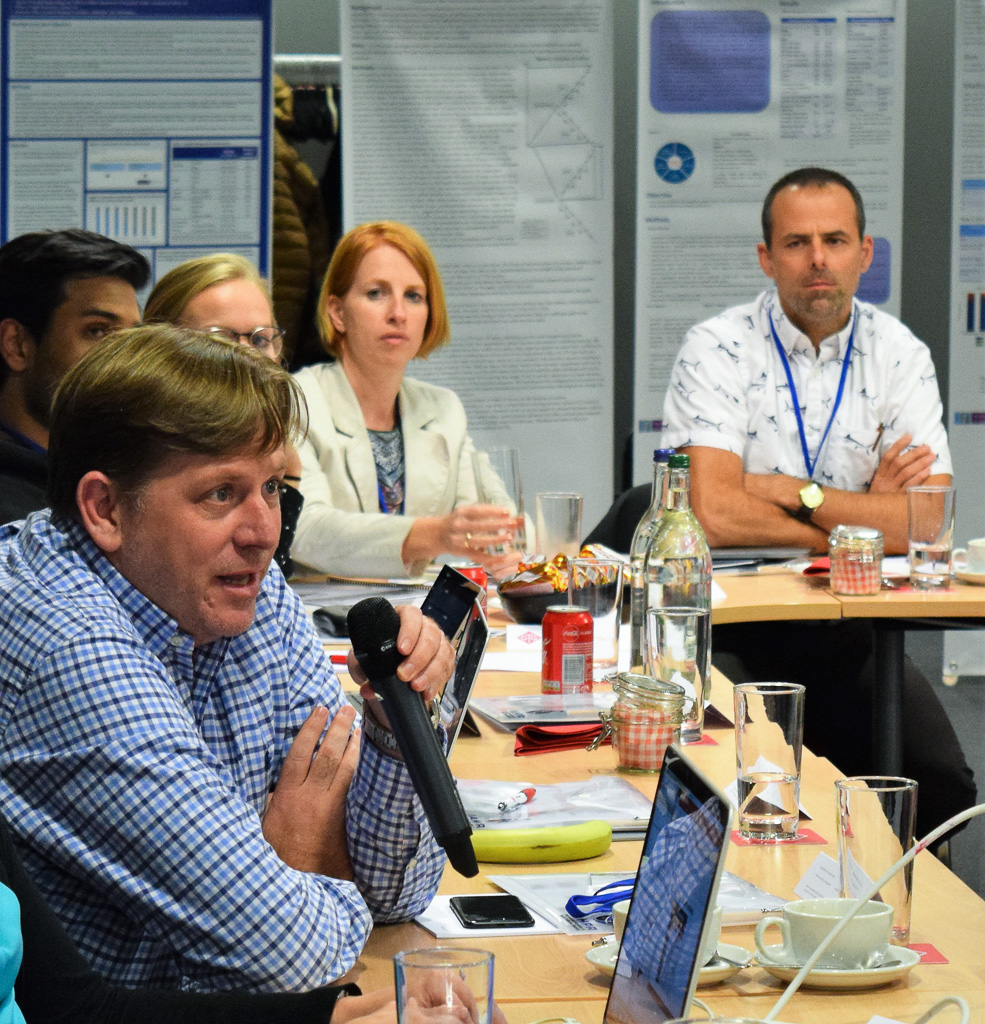
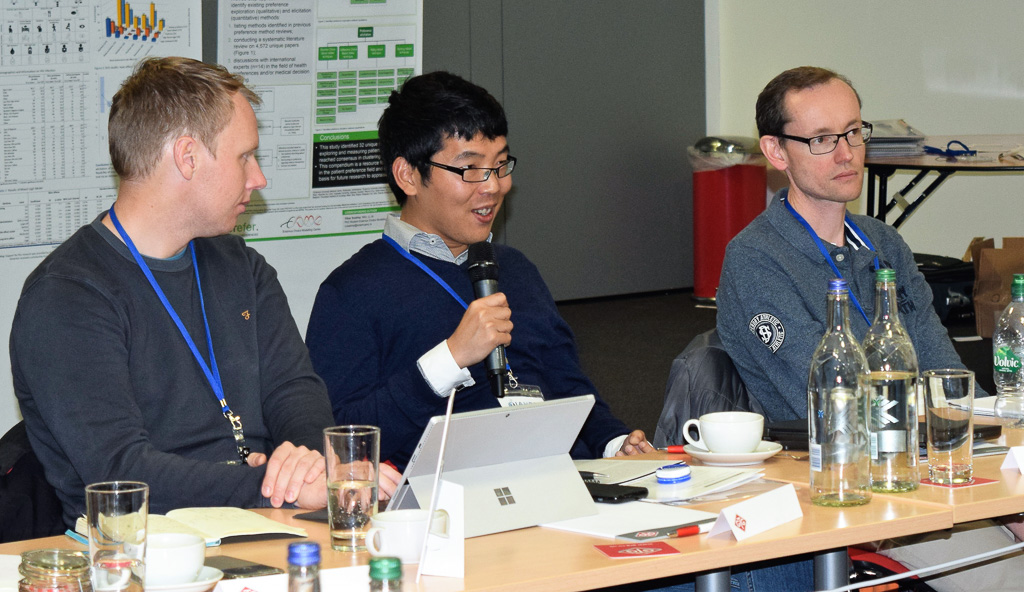
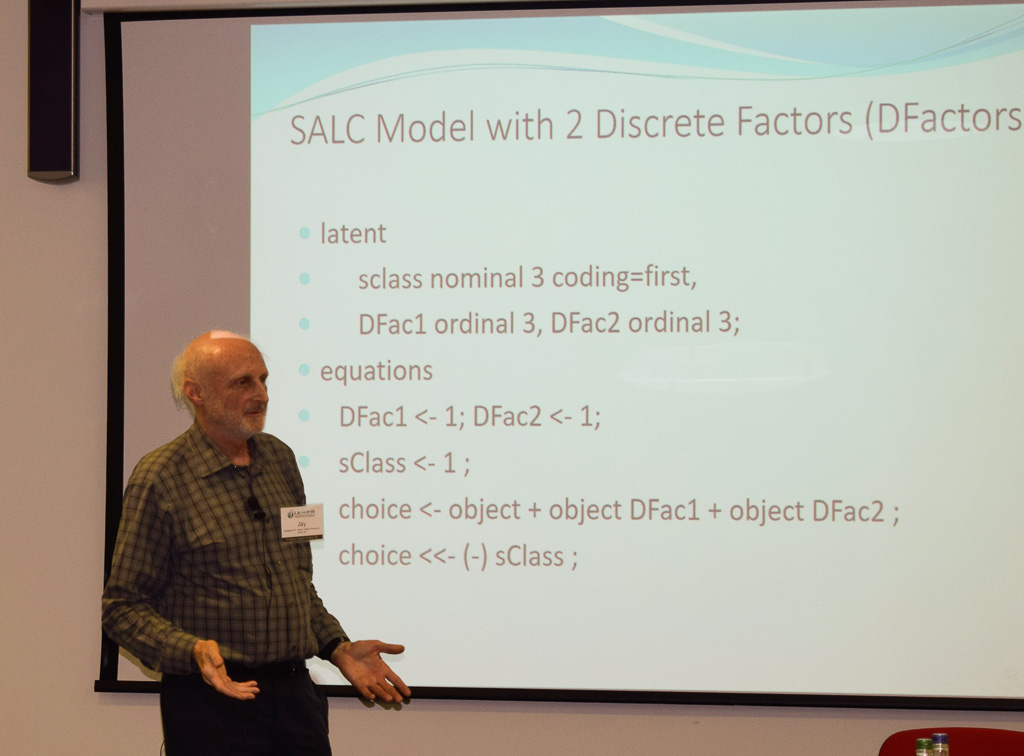
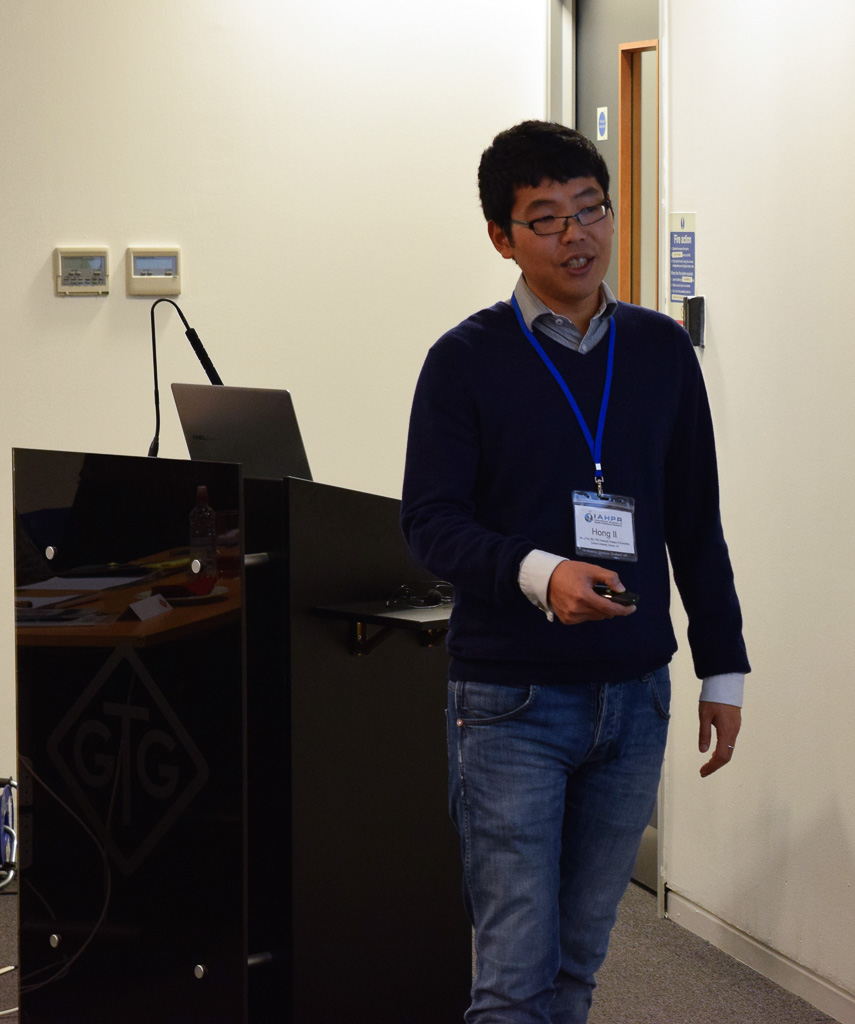
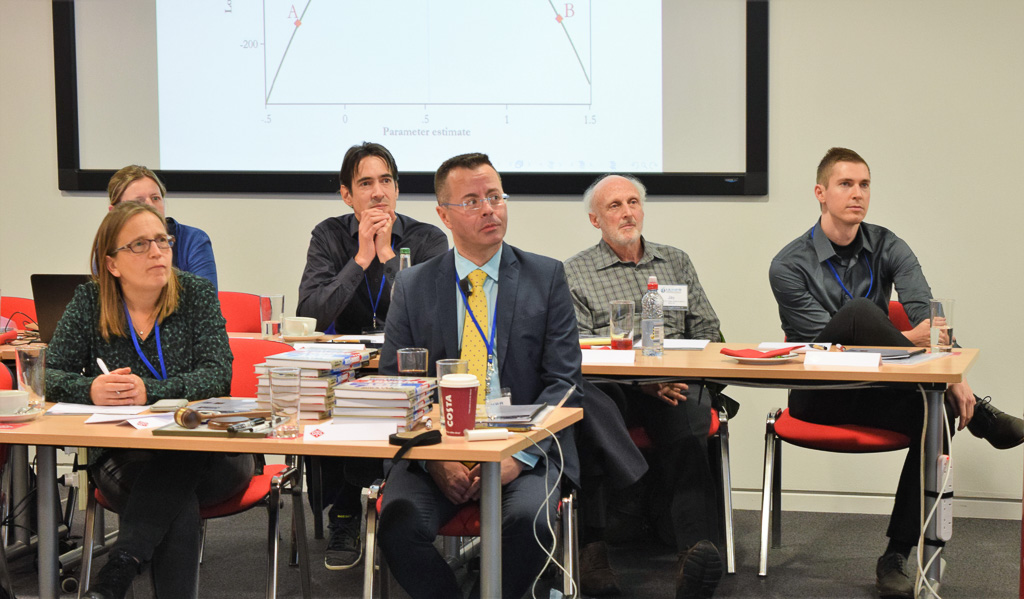
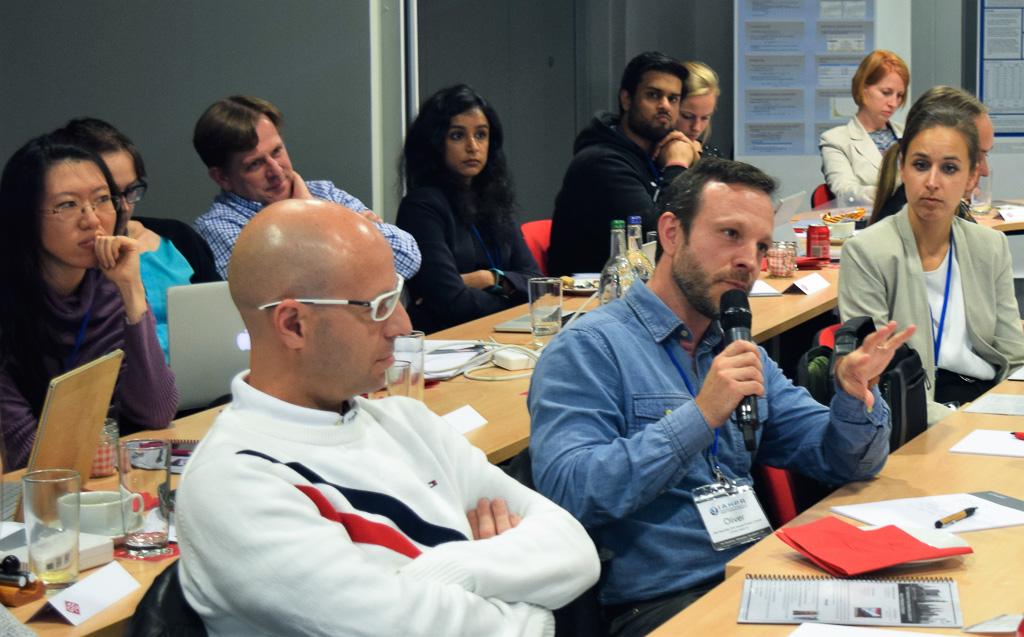
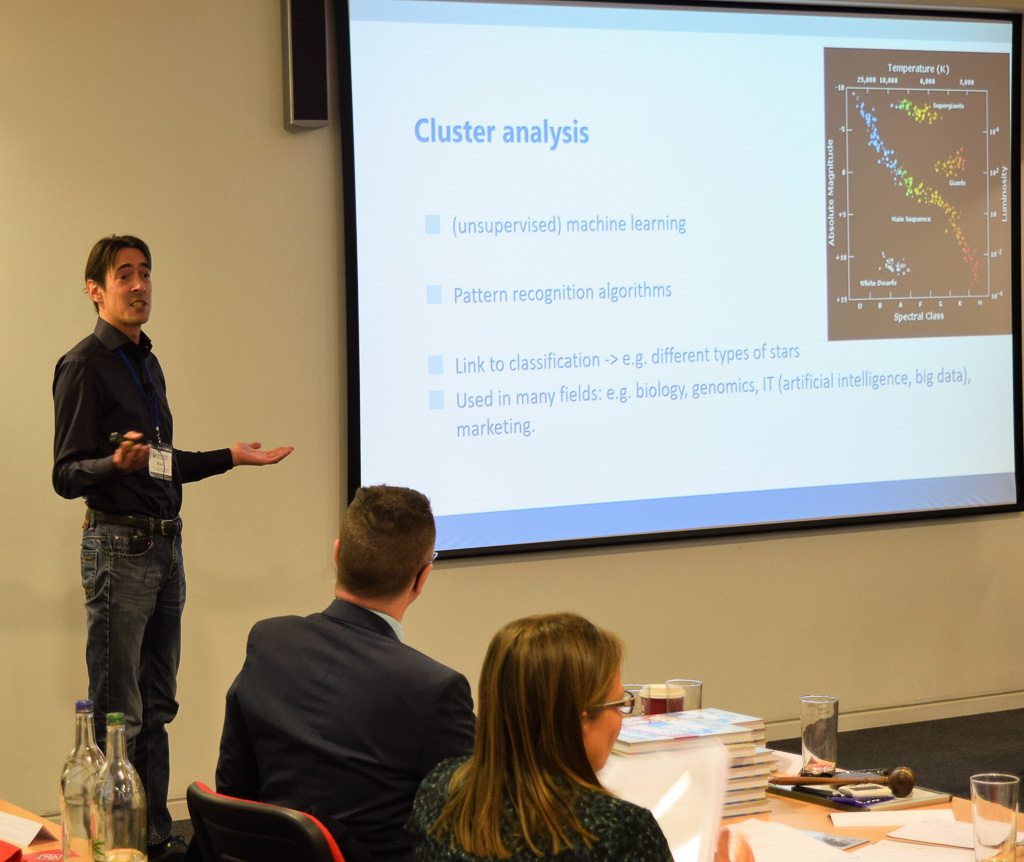
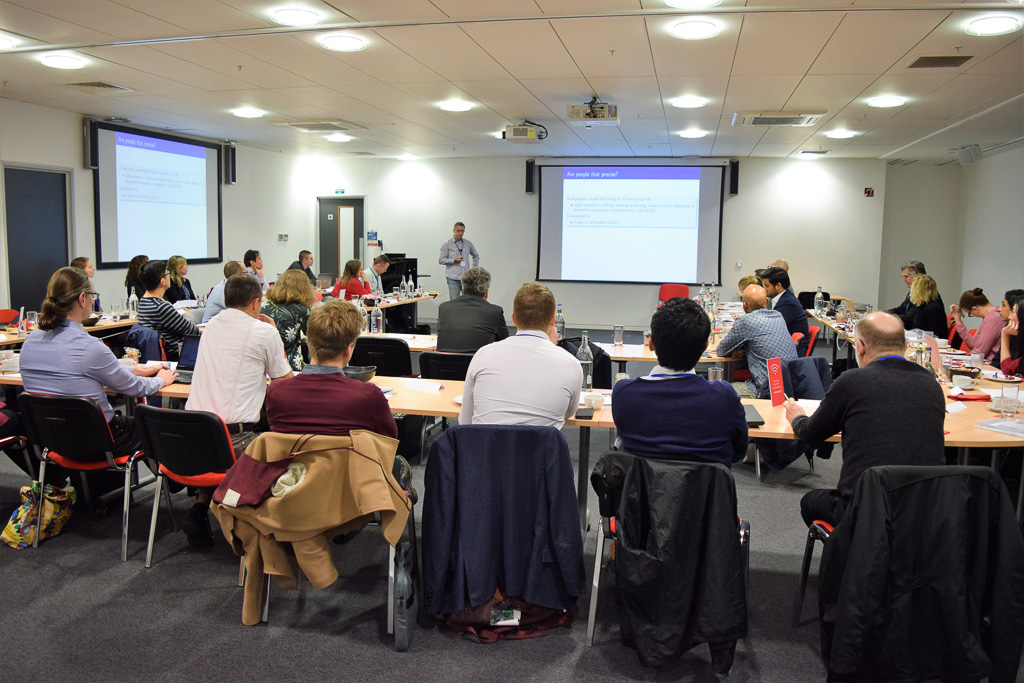
Chaired by Julie Ratcliffe and Gang Chen, the 14th IAHPR ANNUAL MEETING will feature two days of workshops and presentations.

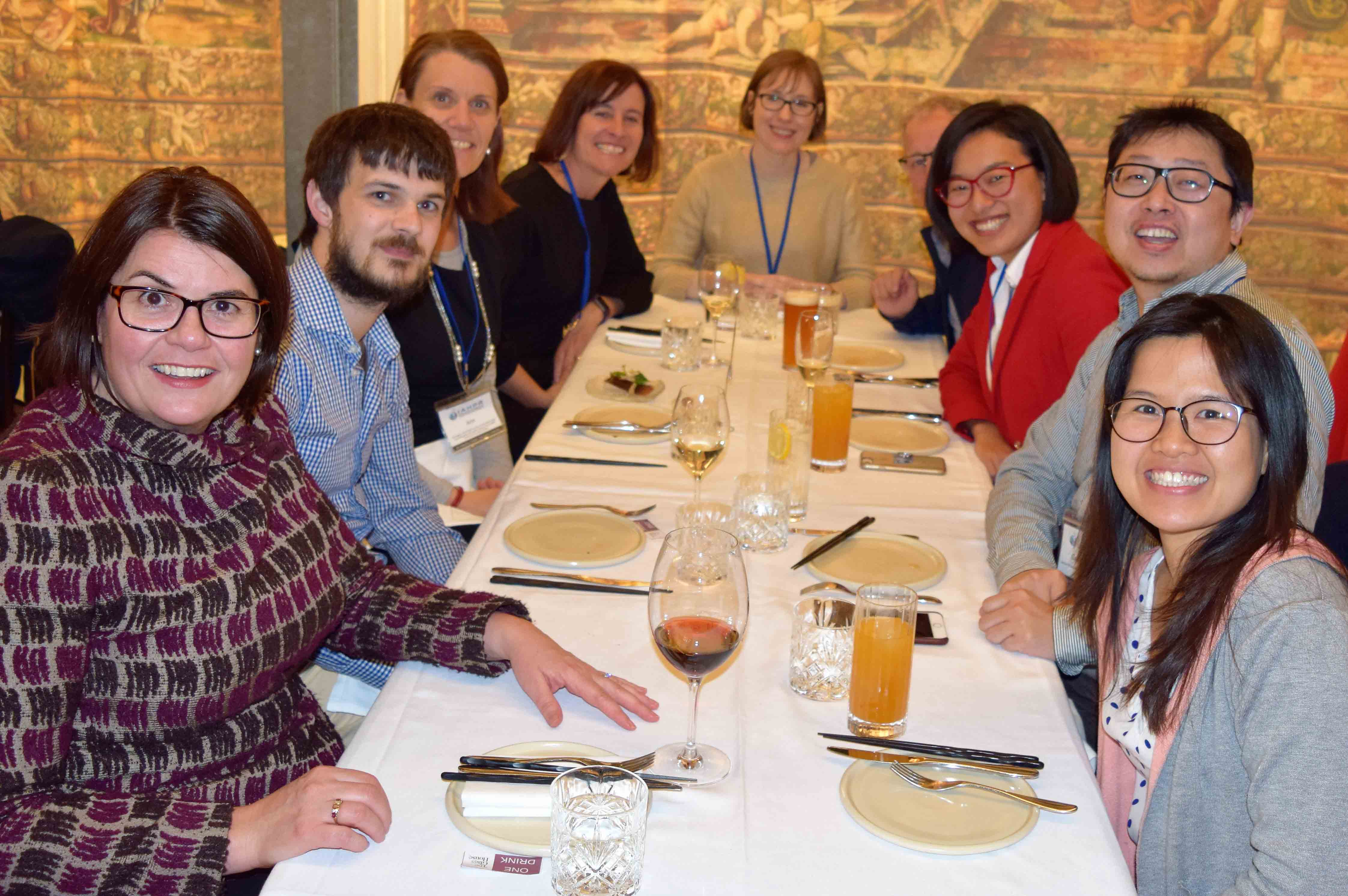
On 20th June 2023, we will organize a dinner for NEW INVESTIGATORS and on 21st June 2023, we will meet for the IAHPR MEETING DINNER.

Please mark your calendar! We will come back with more details soon around abstract submission and registration. See you in Sydney!

Best regards, Julie Ratcliffe and Gang Chen

Established on 15 April 2014, the International Academy of Health Preference Research (IAHPR) is a member-driven, inter-generational organization that promotes educational activities and research with respect to health and health-related preferences. Our aim is to improve decisions about health and healthcare throughout the world by developing, promoting, and supporting health preference research with the widest possible applicability.

Save the Date for the 13th IAHPR Meeting

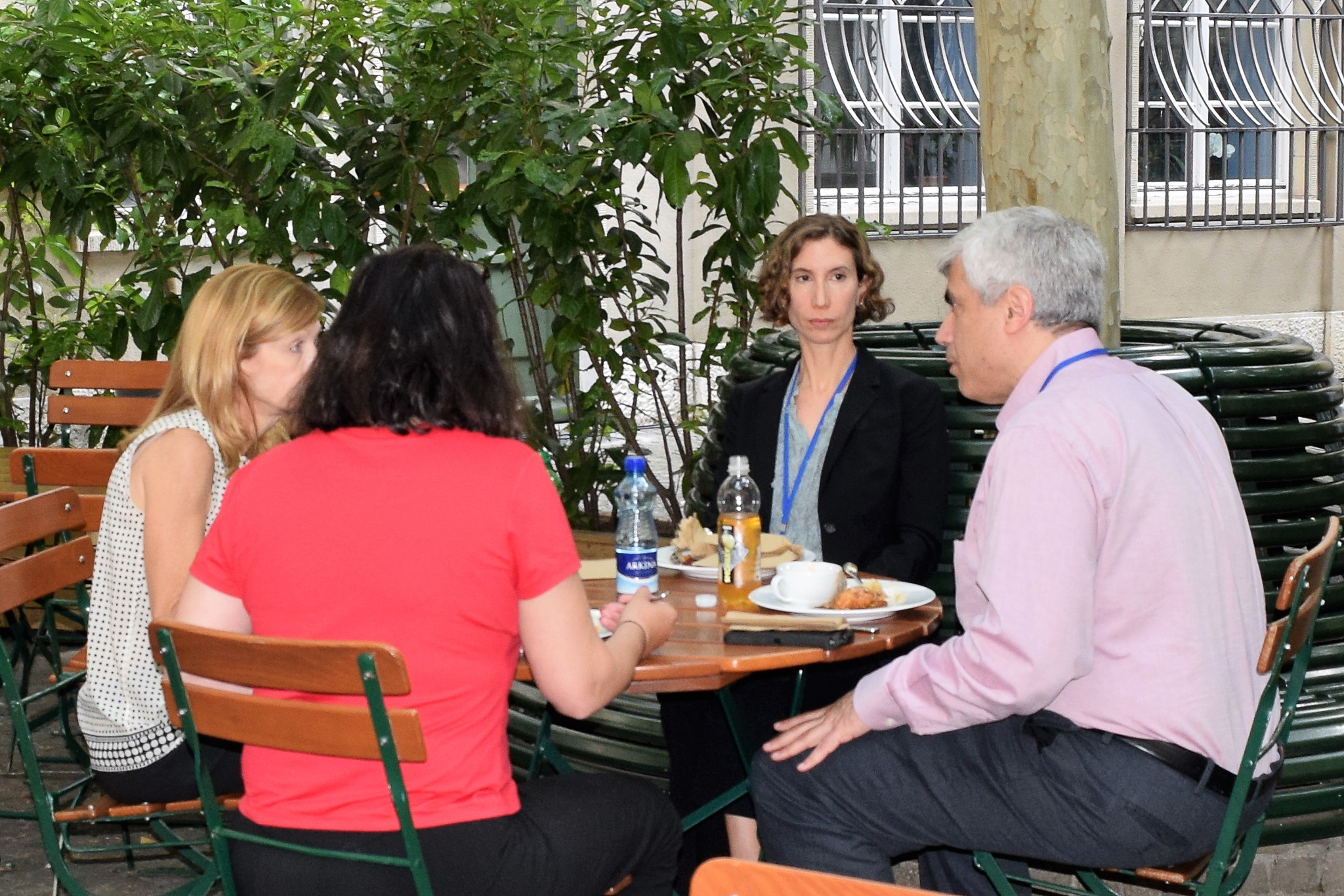
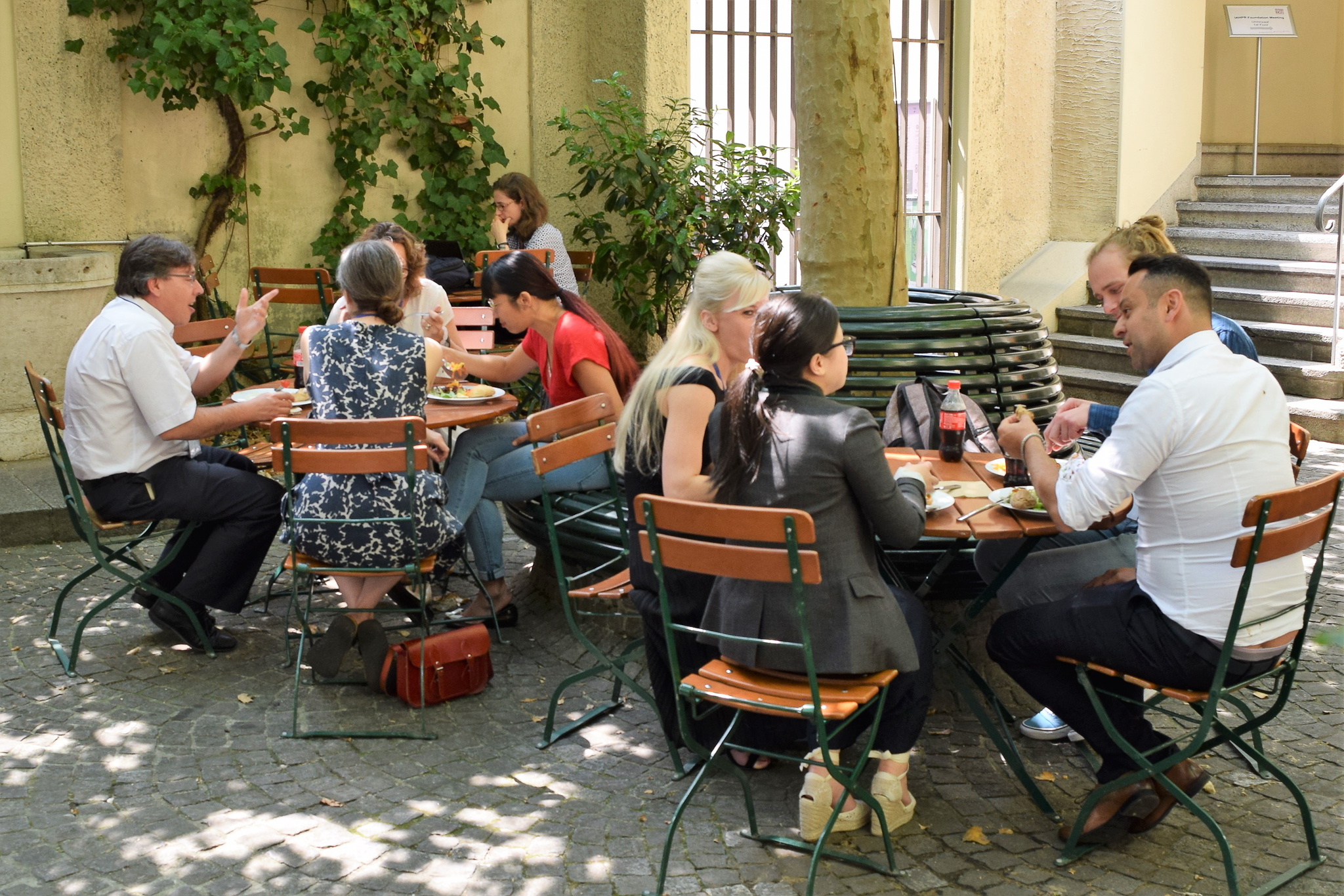
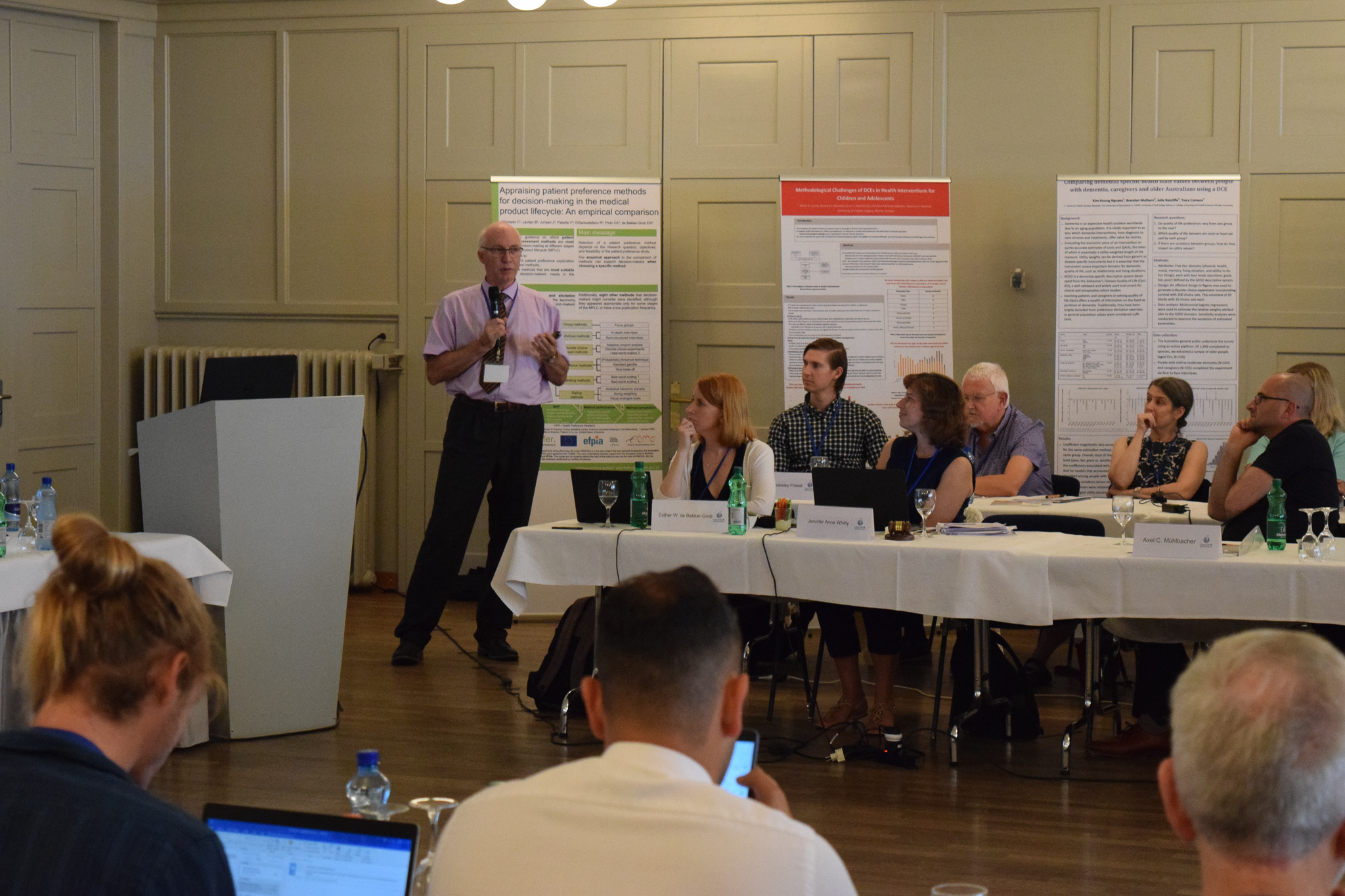
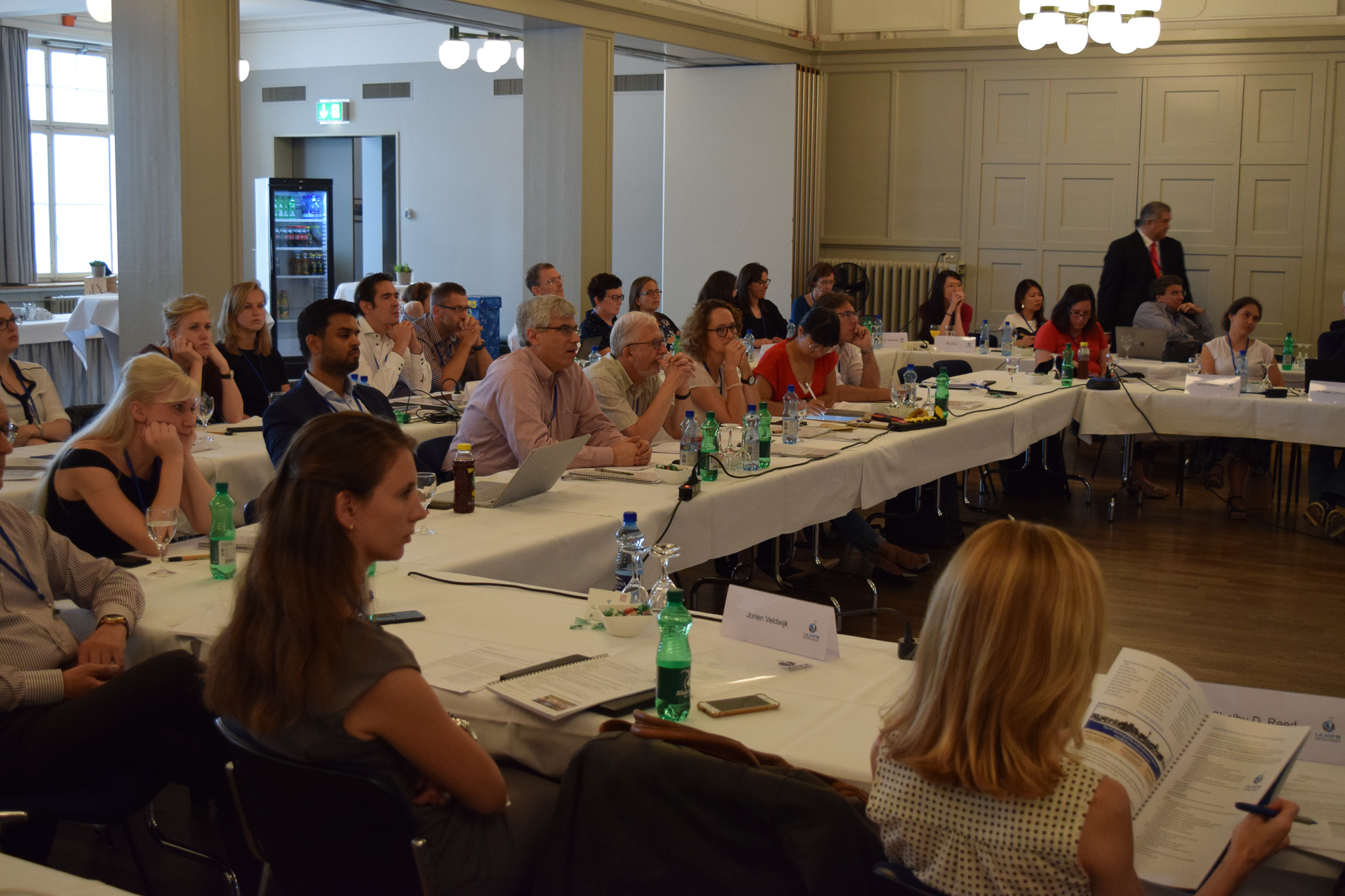
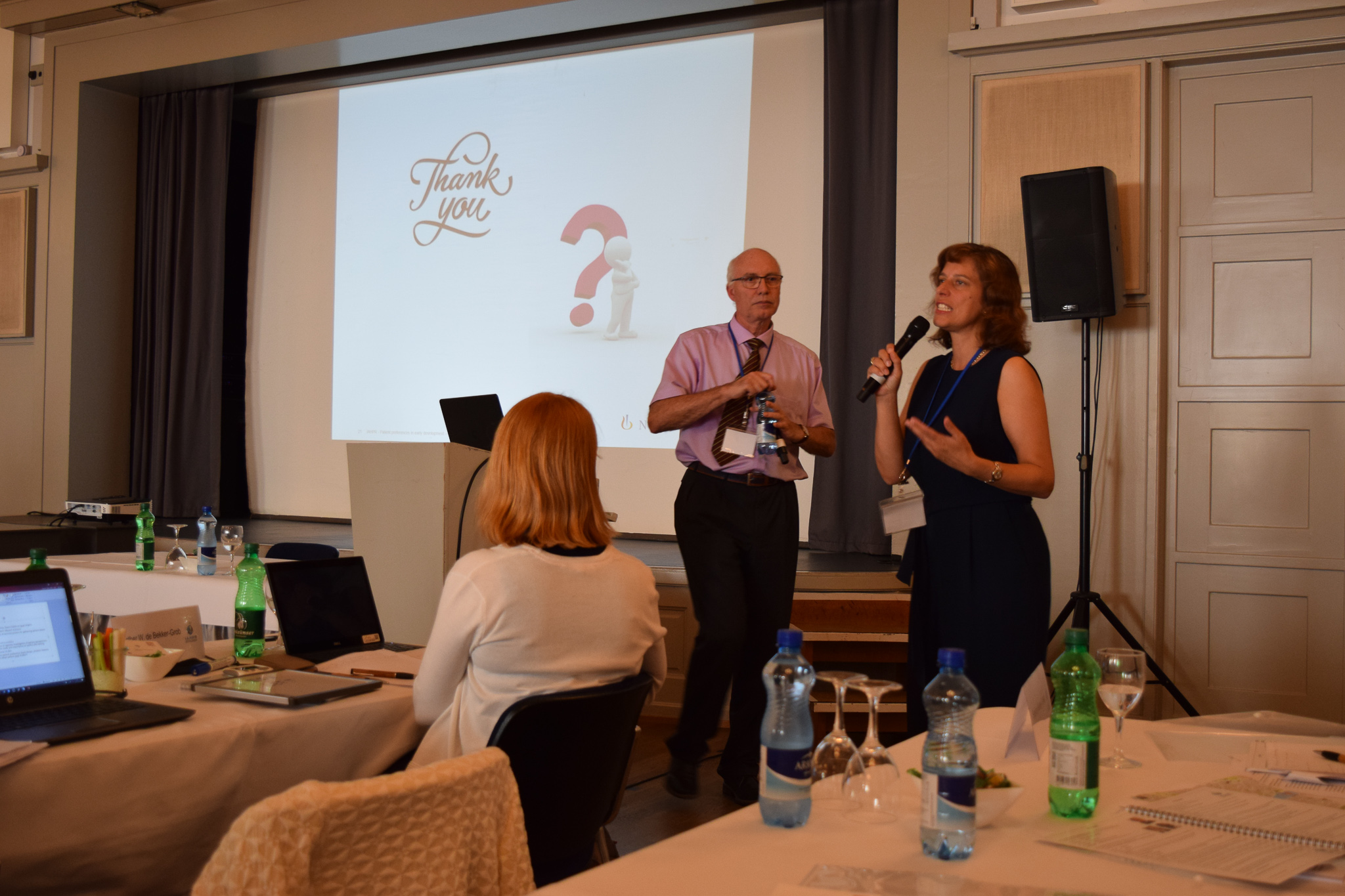
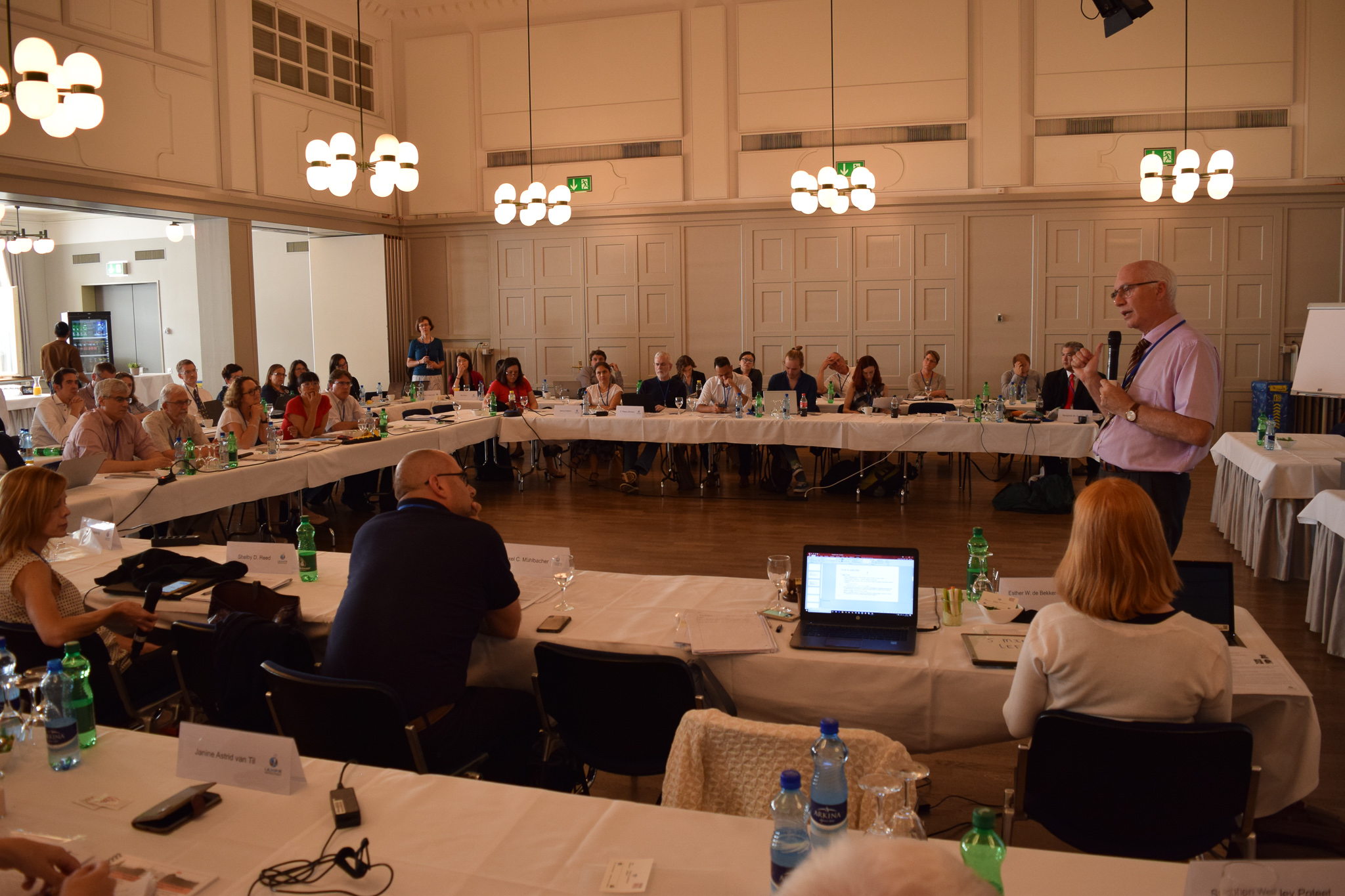
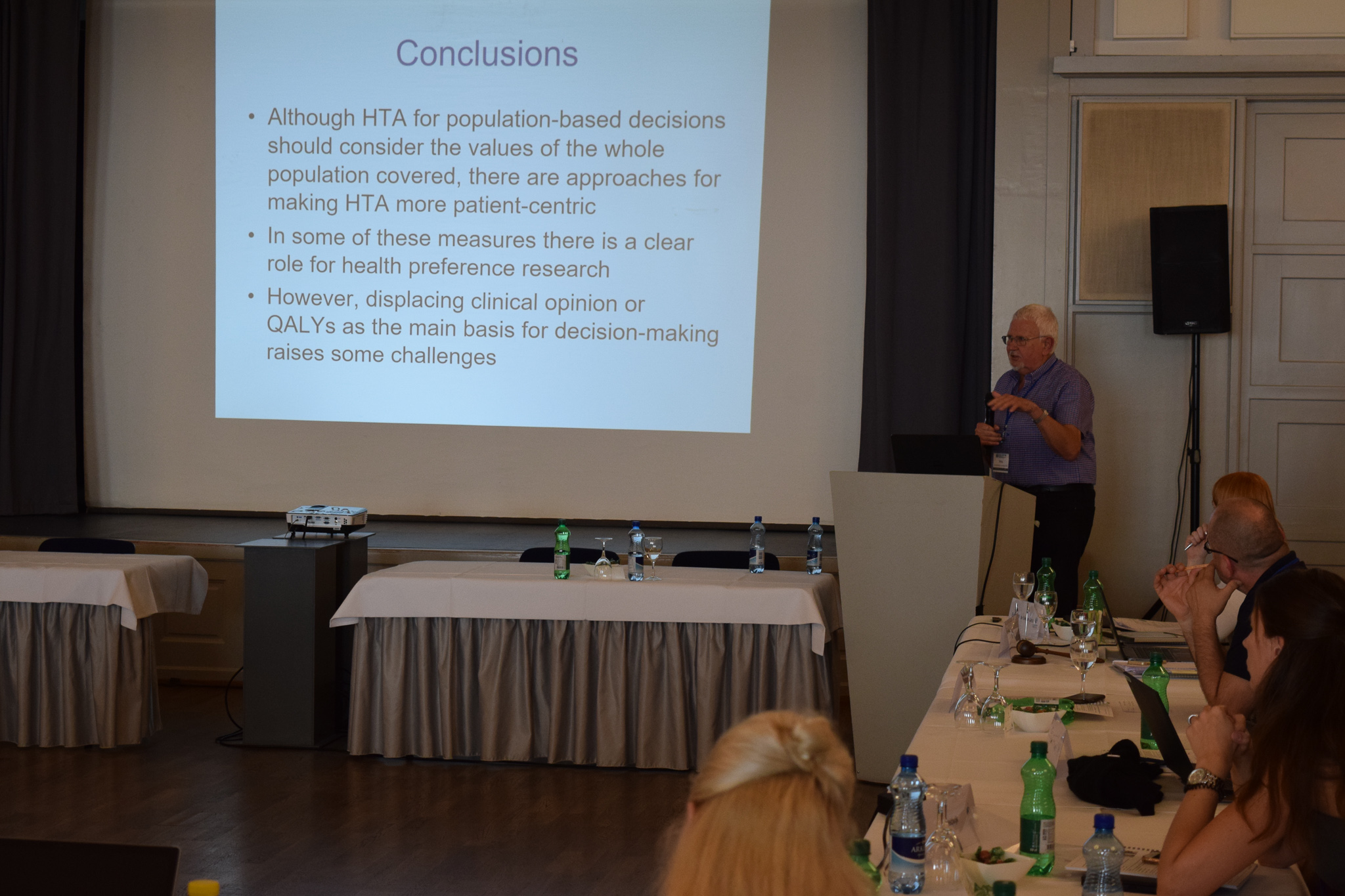
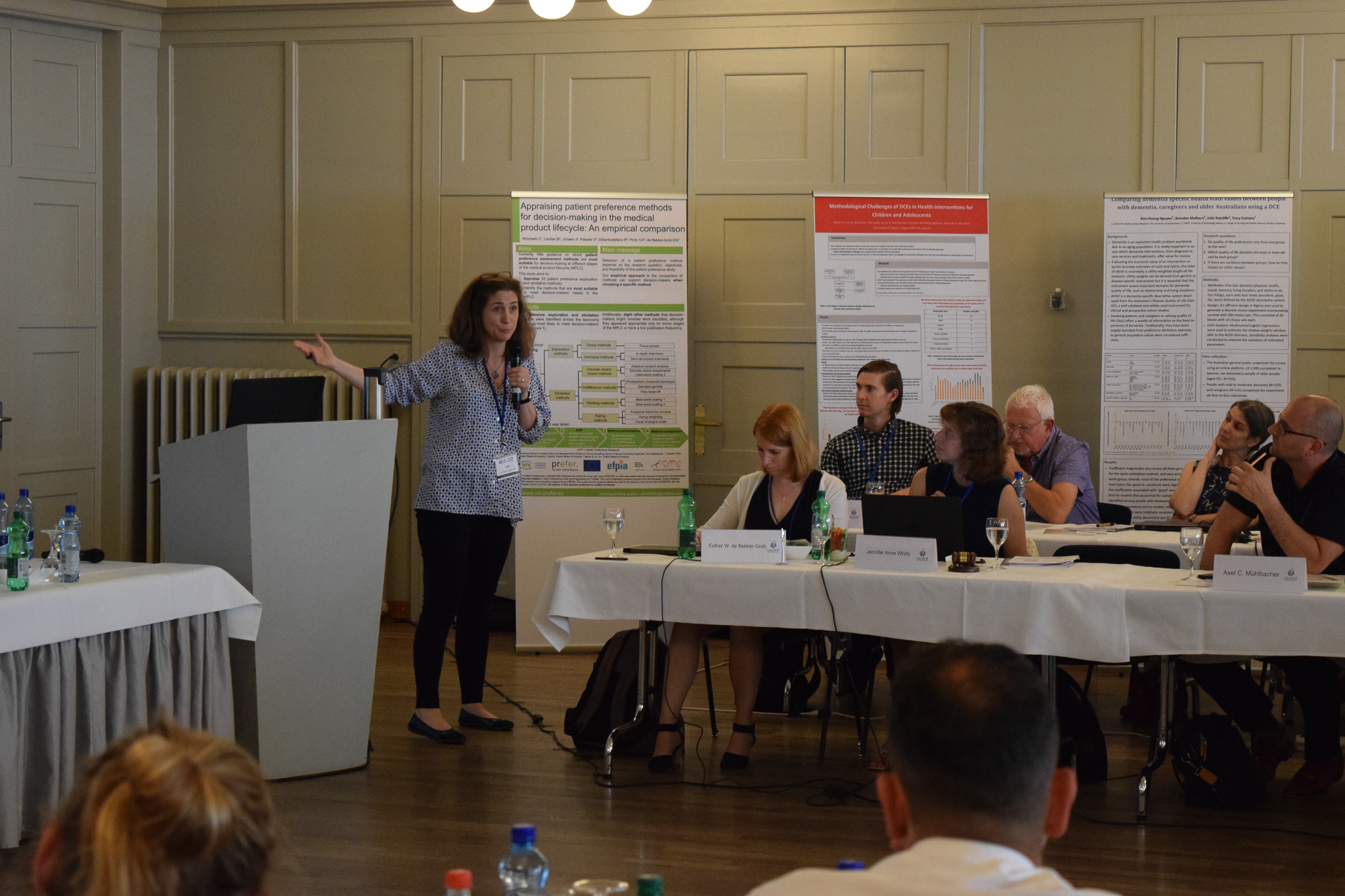
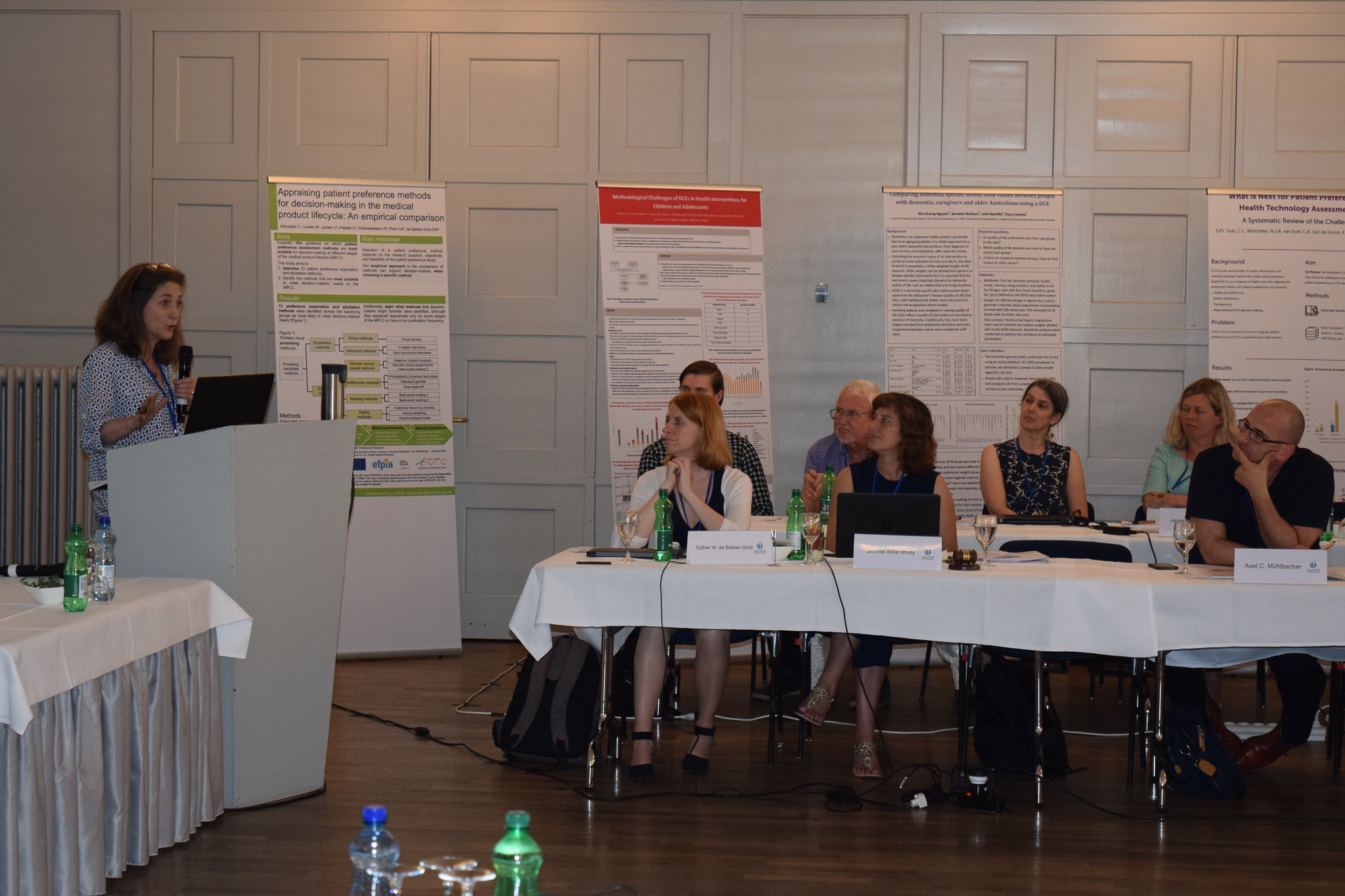
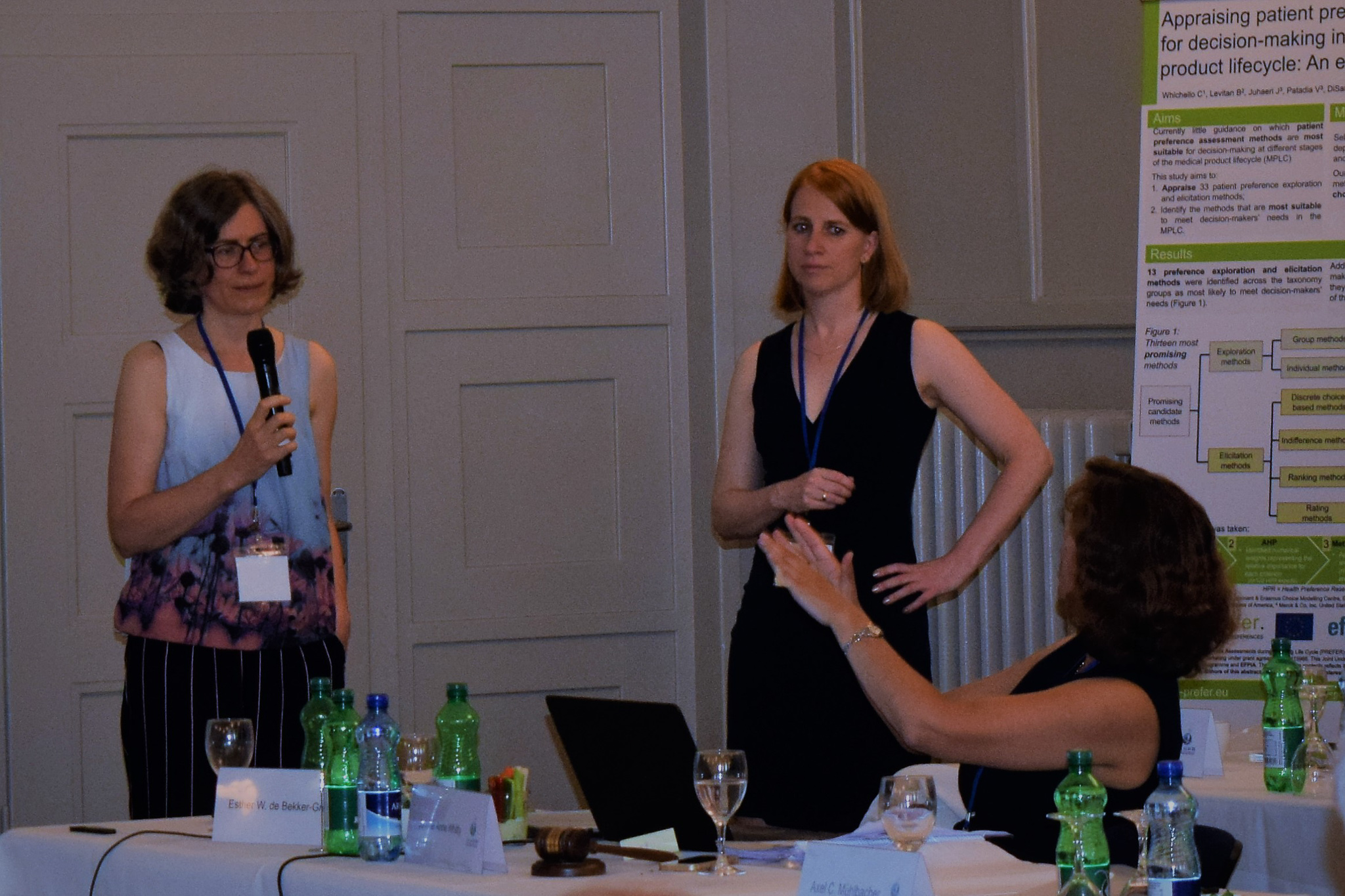
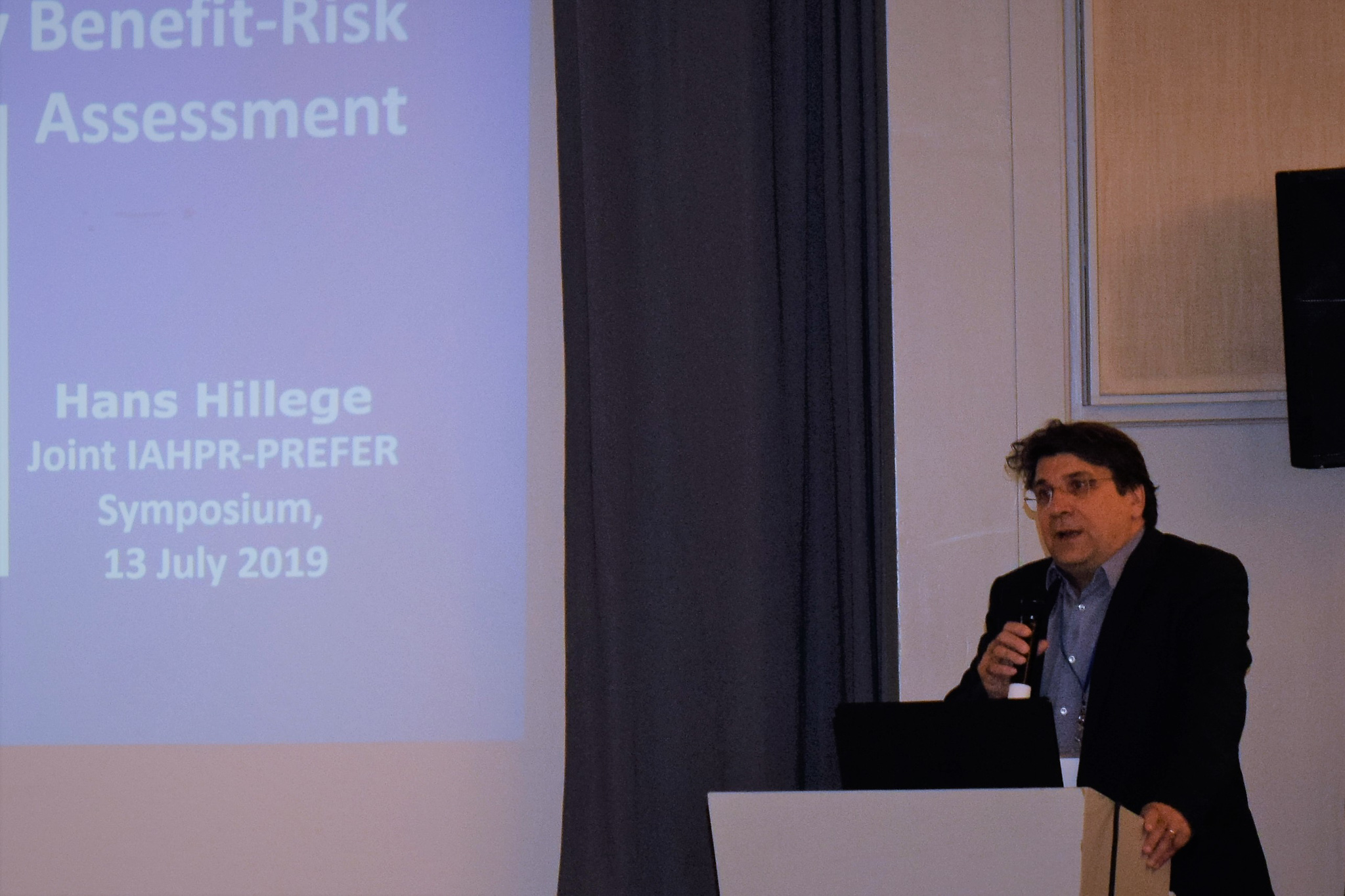
After almost two years into the COVID-19 pandemic, the International Academy of Health Preference Research (IAHPR) will host an in-person meeting on Monday and Tuesday, 5-6 September 2022, in Berlin, Germany.

Chaired by Michał Jakubczyk and Jorien Veldwijk, the 13th IAHPR ANNUAL MEETING will feature two days of workshops and presentations.

On 4 September 2022, we organize a dinner for NEW INVESTIGATORS and on 5 September 2022, we will meet for the IAHPR MEETING DINNER.

As a member of the International Academy of Health Preference Research, we would like to invite you to this in-person event. Please mark your calendar! We will come back with more details. See you in Berlin!

Best regards,
Esther W. de Bekker-Grob and Axel C. Mühlbacher

Established on 15 April 2014, the International Academy of Health Preference Research (IAHPR) is a member-driven, inter-generational organization that promotes educational activities and research with respect to health and health-related preferences. Our aim is to improve decisions about health and healthcare throughout the world by developing, promoting, and supporting health preference research with the widest possible applicability.

2021 Call for Abstracts and Elevator Talks

The submission system for the 12th IAHPR Meeting is now open and will close on 22 April (four weeks).

To submit an abstract or elevator talk: CLICK HERE

Researchers may submit abstracts for podium presentations and/or apply for an elevator talk. Each podium abstract should follow the guidelines and have four sections (Background, Methods, Results, Conclusions; each up to 500 characters), up to 10 authors, and up to six references. Abstracts accepted for podium presentation will be published in The Patient. Each application for an elevator talk has two sections (Biography, Ongoing Research; each up to 500 characters). Elevator talks are meant to introduce new investigators and their research to colleagues in the field. Accepted submissions will be published in HPSTR.org.

As an added incentive, each non-member presenter (podium or elevator talk) will be invited to receive a free three-year IAHPR membership (2022-2024). Researchers who give two or more podium presentations at IAHPR meetings achieve tenured membership.

After completing the submission form, a confirmation message will be sent to the email address provided. The meeting registration system will open soon after the submission deadline and the review results are typically sent three weeks later. The Meetings page describes how submissions are rated and selected as well as responses to other frequently asked questions.

If you have further comments or questions, you may list them below or send them to contact@iahpr.org. We will try to respond promptly.

IAHPR Seminar Series

The International Academy of Health Preference Research successfully launched its online seminar series in May 2020. Created by Axel C. Mühlbacher, Chair of the IAHPR Foundation Board, these free one-hour seminars were designed:
(1) To further build a research community around IAHPR by encouraging discussion of newly published HPR studies at both a theoretical and practical level.
(2) To introduce new theories and innovative methods that may be of interest to IAHPR members or that can be incorporated into the work of seminar attendees.
(3) To enhance understanding of recently published studies and effectively disseminate preference evidence, bridging the gap between research and policy. week prior to each event, links to the seminar are distributed to all IAHPR members.
Everyone is welcome to attend. If you are not an IAHPR member, ask a member to forward the link to you or send a request to contact@iahpr.org.

Are videos or text better for describing attributes in stated-preference surveys?
28 May 2020 at 7:00 (Durham, USA), Shelby D. Reed (presenter), Derek S. Brown (discussant), Axel C. Mühlbacher (moderator)

A picture is worth a thousand words: the role of survey training materials in stated-preference studies
25 June 2020 at 15:00 (Leeds, UK), Caroline M. Vass (presenter), Esther de Bekker-Grob (discussant), Axel C. Mühlbacher (moderator)
Thu 7:00 (Vancouver); Thu 11:00 (Buenos Aires); Thu 15:00 (London); Thu 16:00 (Berlin)

Finding out what matters in decision-making related to genomics and personalized medicine in pediatric oncology: developing attributes to include in a discrete choice experiment
30 July 2020 at 9:00 (Sydney, Australia), Richard De Abreu Lourenço (presenter), Ilene L. Hollin (discussant), Emily Lancsar (moderator)
Wed 16:00 (Vancouver); Wed 20:00 (Buenos Aires); Thu 7:00 (Singapore); Thu 11:00 (Auckland)

Frequently asked questions (FAQ)

What is the seminar format?
The moderator will start the one-hour seminar by introducing the speaker, who will present for a 20 to 30 minutes. The presentation is kept brief, because the article is distributed in advance of the seminar. The presenter will highlight key findings and aspects not mentioned in the paper. The discussant will briefly summarize the article’s strengths and areas for development and conclude with a few questions. After the presenter responds, the moderator will coordinate questions received via the chat from the attendees. To encourage attendance and open discussion, the seminar is not recorded.

How to ask a question during the seminar?
Send your questions to the moderator using the chat feature. It avoid complications, all microphones will be muted during the first half of the seminar, except for the presenter, discussant and moderator.

Who may attend the IAHPR seminars?
These seminars are free and open to the academic and research community, as well as the public, healthcare and industrial sectors. Invitations are sent to IAHPR members who are welcome to forward them to interested persons.

How are papers selected for the IAHPR seminars?
Anyone can nominate a published paper. These papers will be reviewed monthly by the Foundation Board in terms of the mission of the Academy and aims of the seminar series (above). Papers presented by IAHPR members or published in the Patient are given greater consideration. If you wish to nominate a paper, contact one of the Board members, indicating the paper, presenter and a brief statement of support.

What time are the seminars?
IAHPR is an international organization with participating scientists from around the world; therefore, there are no good time for a seminar. To avoid normal sleeping hours and provide more equal access, the Board broke the globe into three regions by timezone and will rotate the IAHPR seminar by region and time. The times below are the earliest possible start time of seminar per time slot. Generally, seminars start on the hour of either a Wednesday or a Thursday; however, the start times may vary due to the needs of the presenter, discussant, and moderator. Also, these times represent Summer 2020 and will be adjusted for daylight savings as needed.
TIME #1: Wed 16:00 (Vancouver); Wed 20:00 (Buenos Aires); Thu 7:00 (Singapore); Thu 11:00 (Auckland) or later (2 possible start times)
TIME #2: Thu 7:00 (London); Thu 8:00 (Berlin); Thu 14:00 (Singapore); Thu 18:00 (Auckland) or later (5 possible start times)
TIME #3: Thu 7:00 (Vancouver); Thu 11:00 (Buenos Aires); Thu 15:00 (London); Thu 16:00 (Berlin)  or later (5 possible start times

COVID-19 Preparedness Statement for IAHPR

The International Academy of Health Preference Research is taking all necessary precautions to ensure the health and safety of IAHPR members in light of concerns about COVID-19, commonly known as the coronavirus.

We are closely monitoring developments and staying abreast of updates from health organizations responsible for tracking and responding to the virus, including the Centers for Disease Control and Prevention (CDC), World Health Organization (WHO), and European Centre for Disease Prevention and Control (ECDC). We encourage members to monitor either the CDC or ECDC website to protect themselves from infection.


At this time, the 12th Meeting (Chicago, 16-18 October 2020) is proceeding as planned. Should COVID-19 necessitate any changes to the meeting, we will provide further updates immediately via e-mail and post to iahpr.org. The abstract submission system will open in July. The submission deadline is Tuesday, 4 August 2020. Please direct any questions to contact@iahpr.org.
The 11th Meeting was a Great Success!

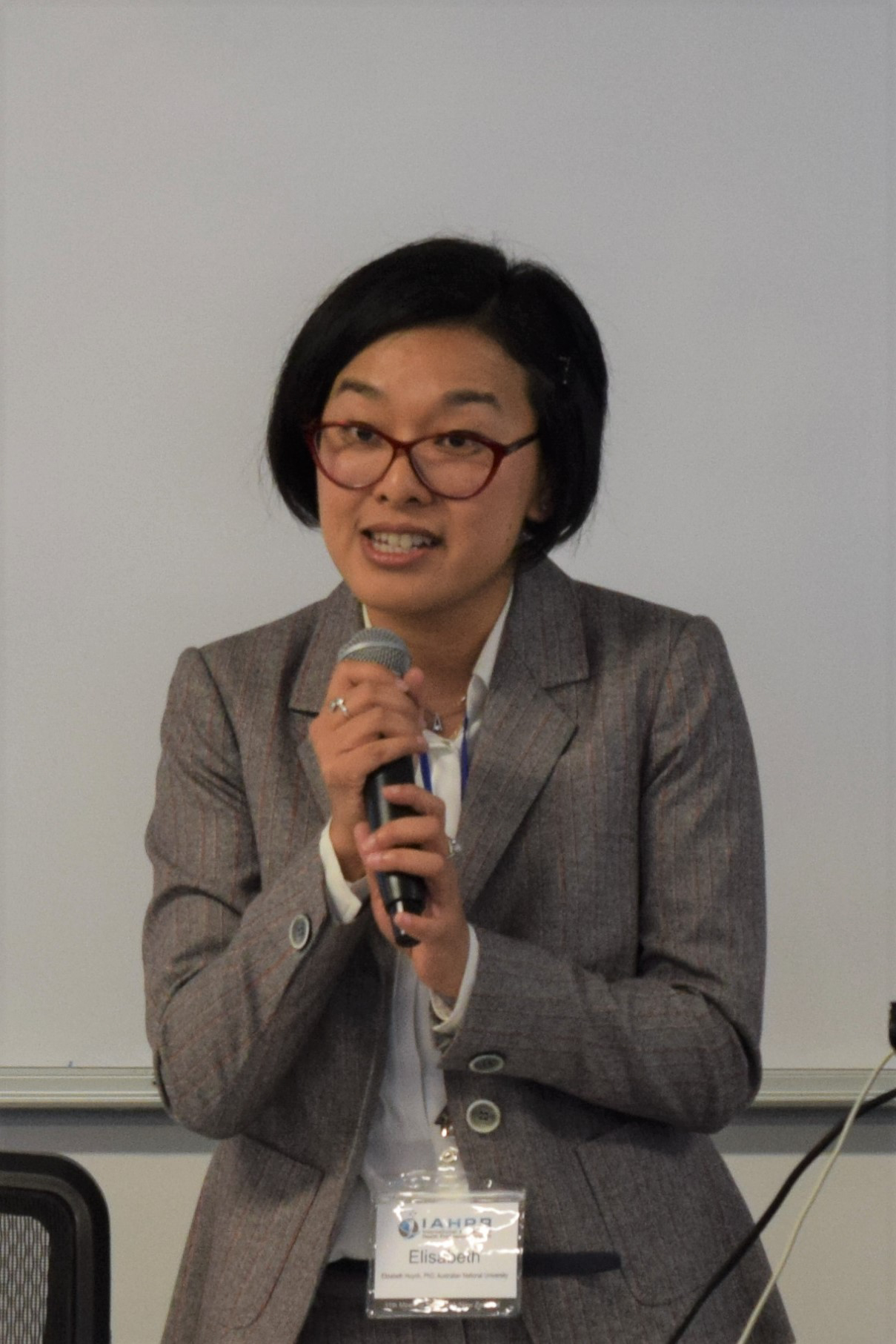
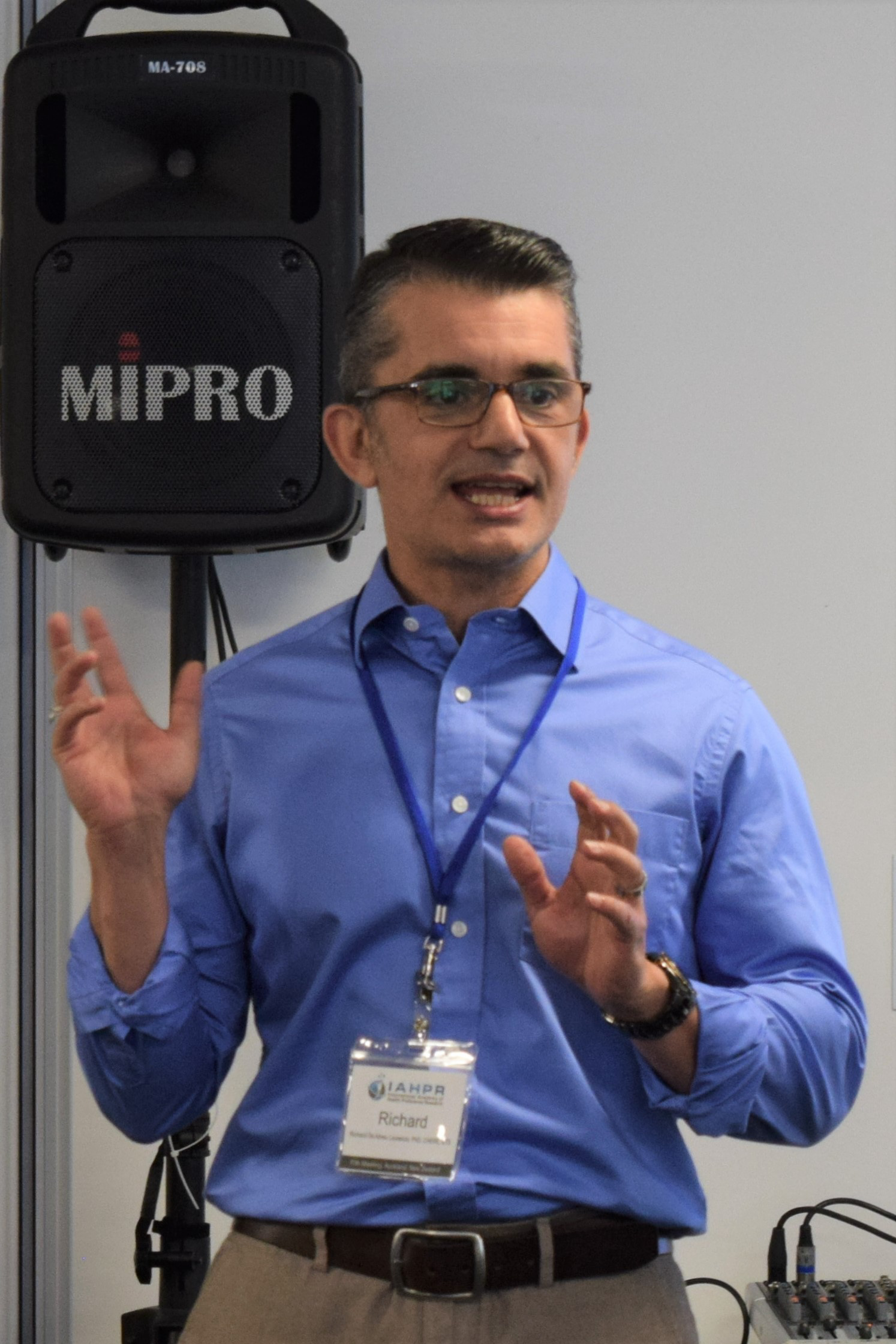
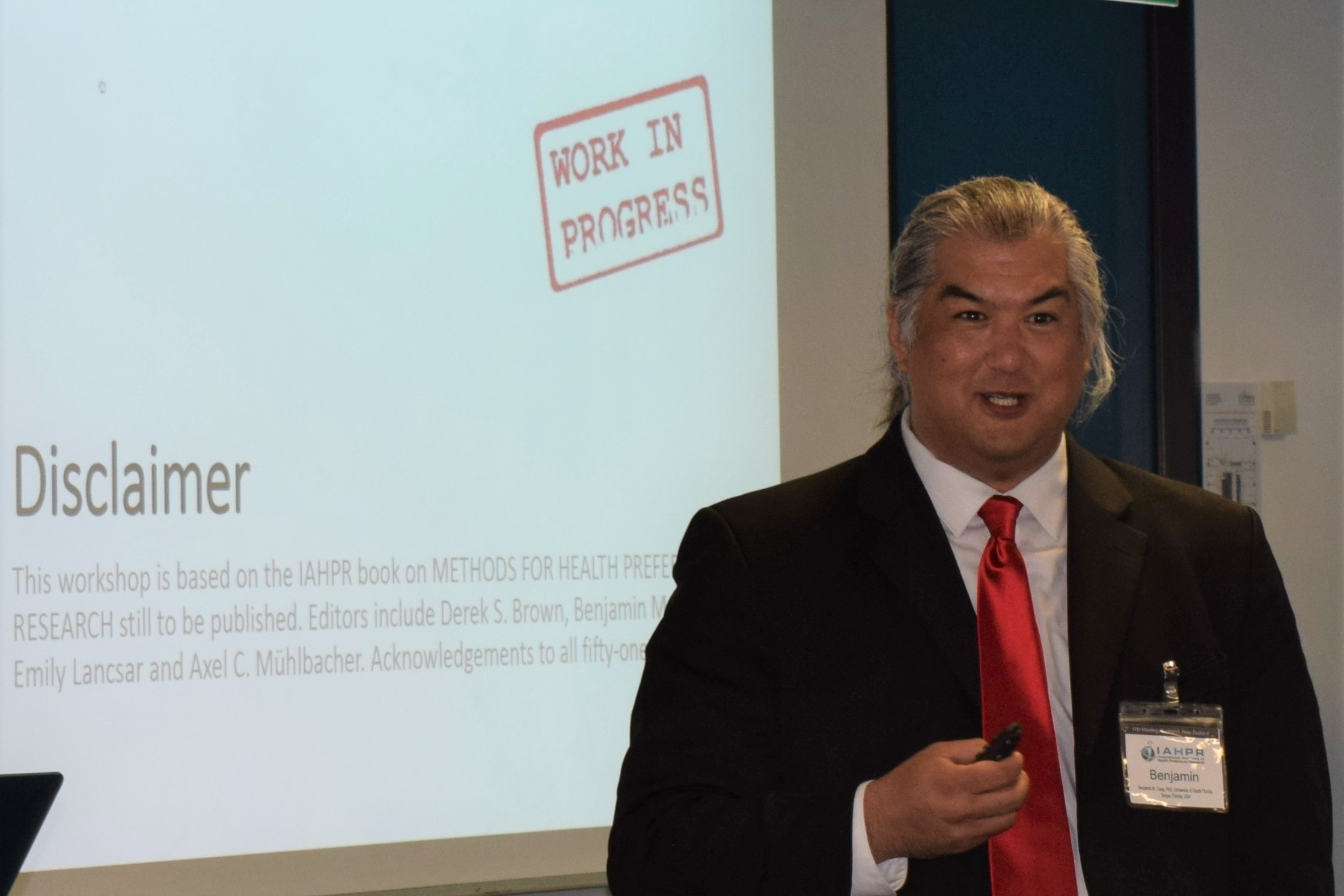
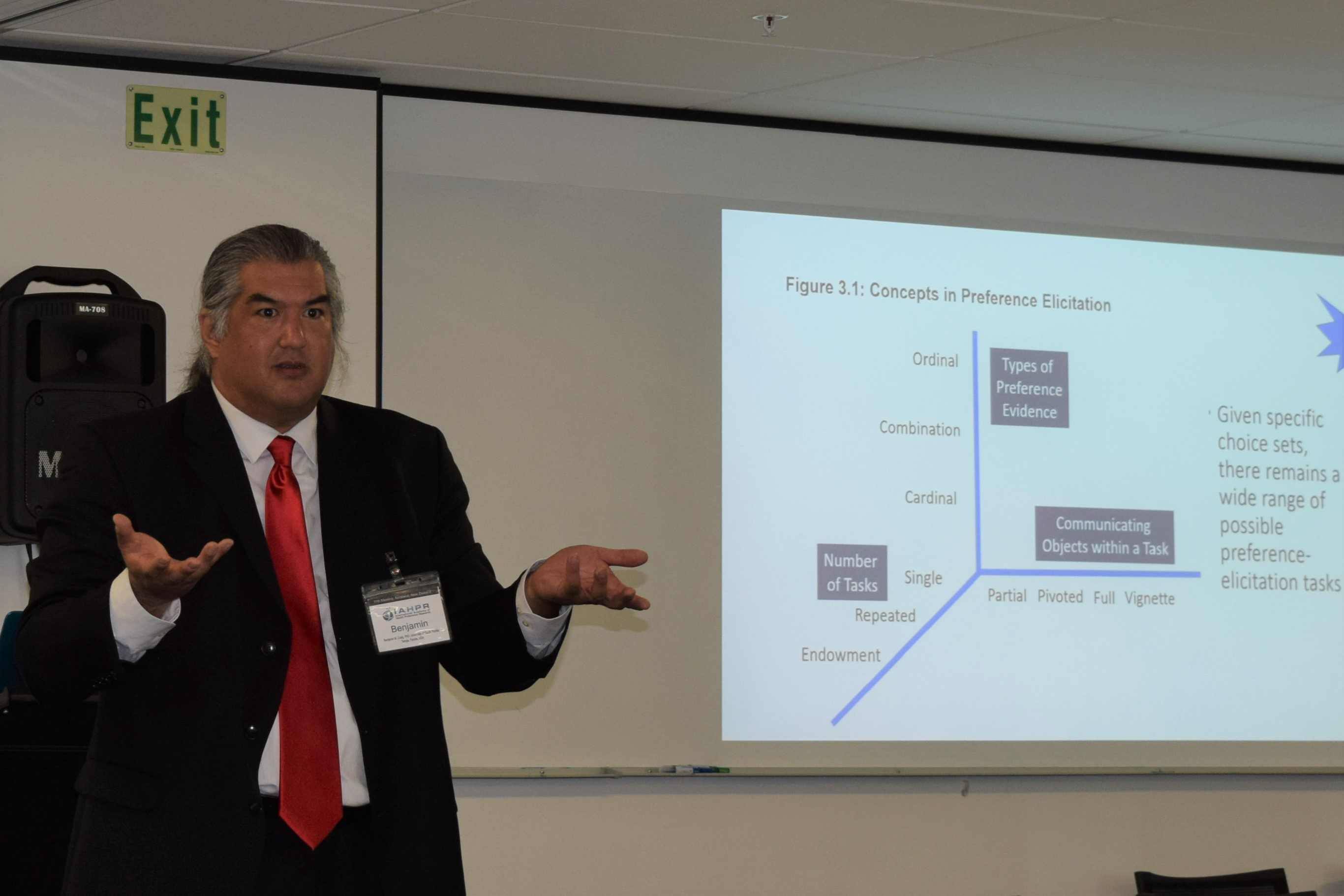
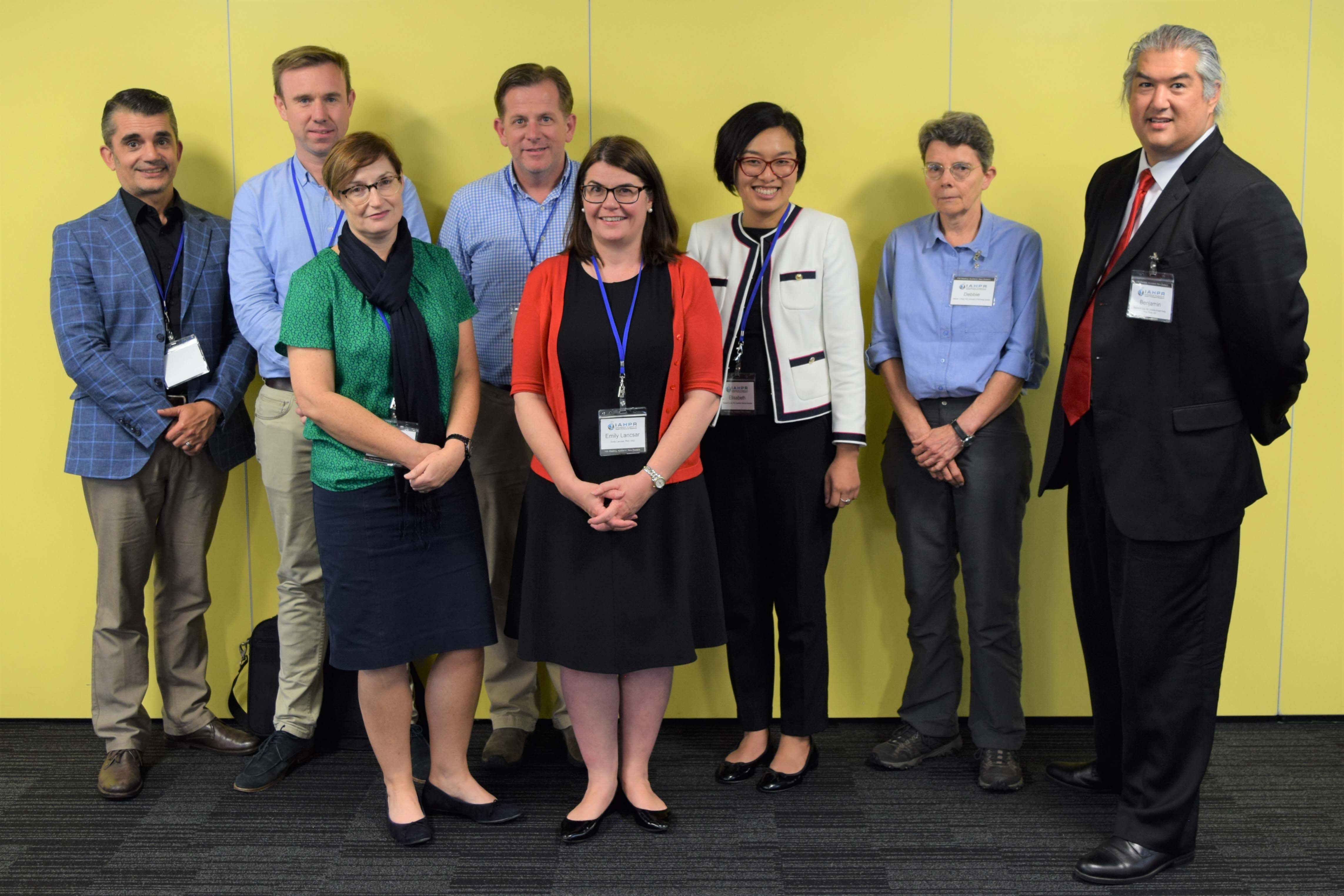
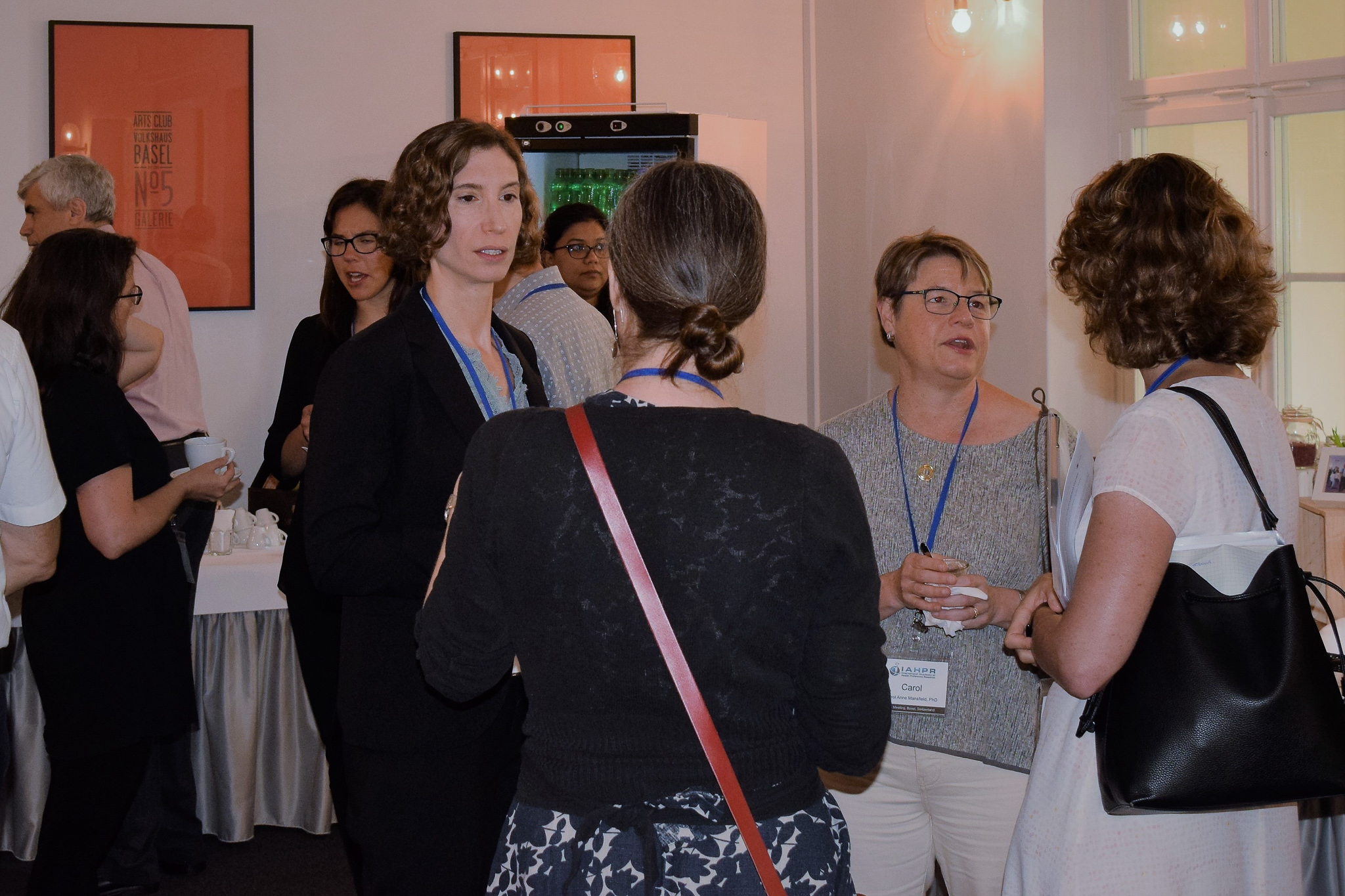
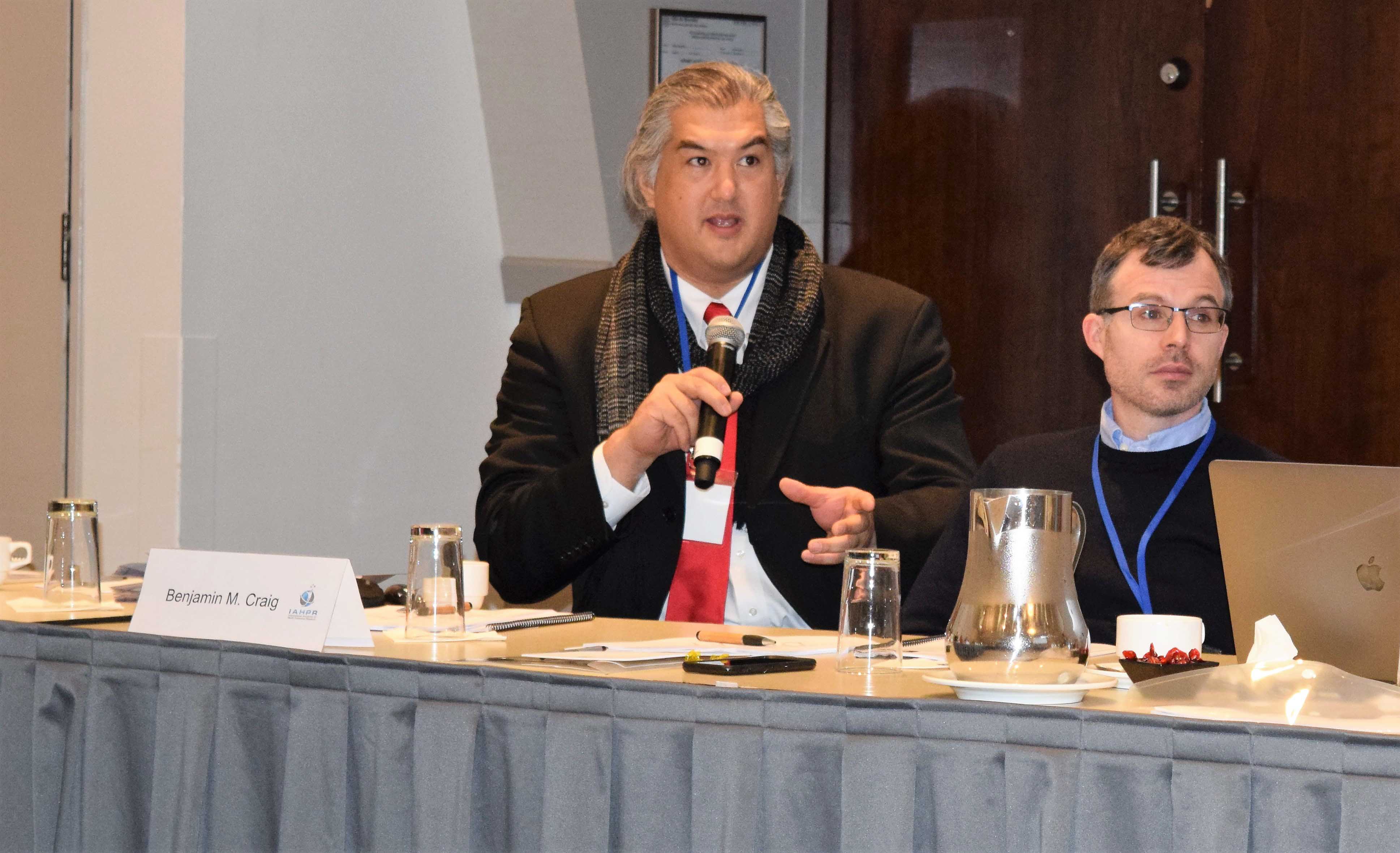
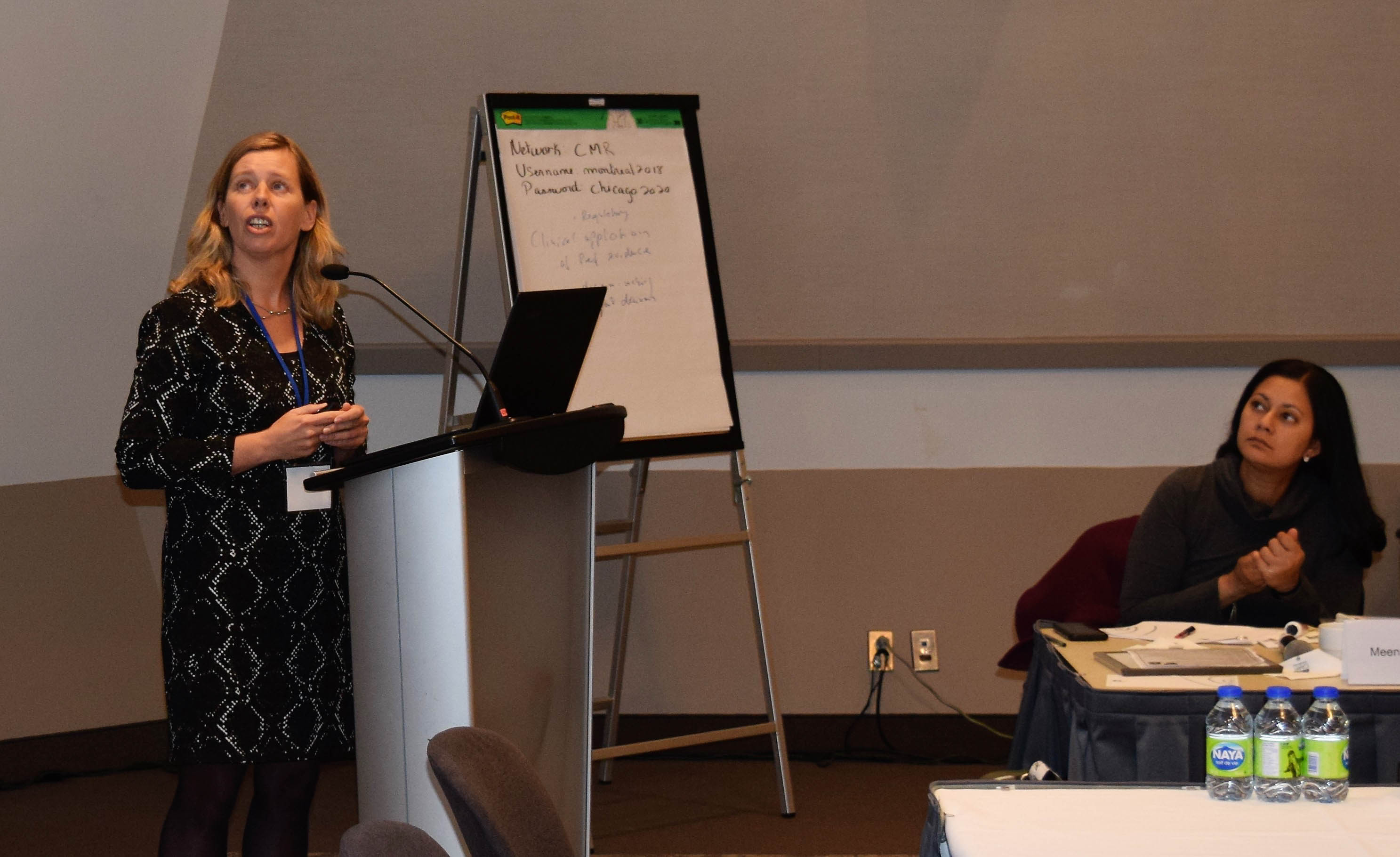
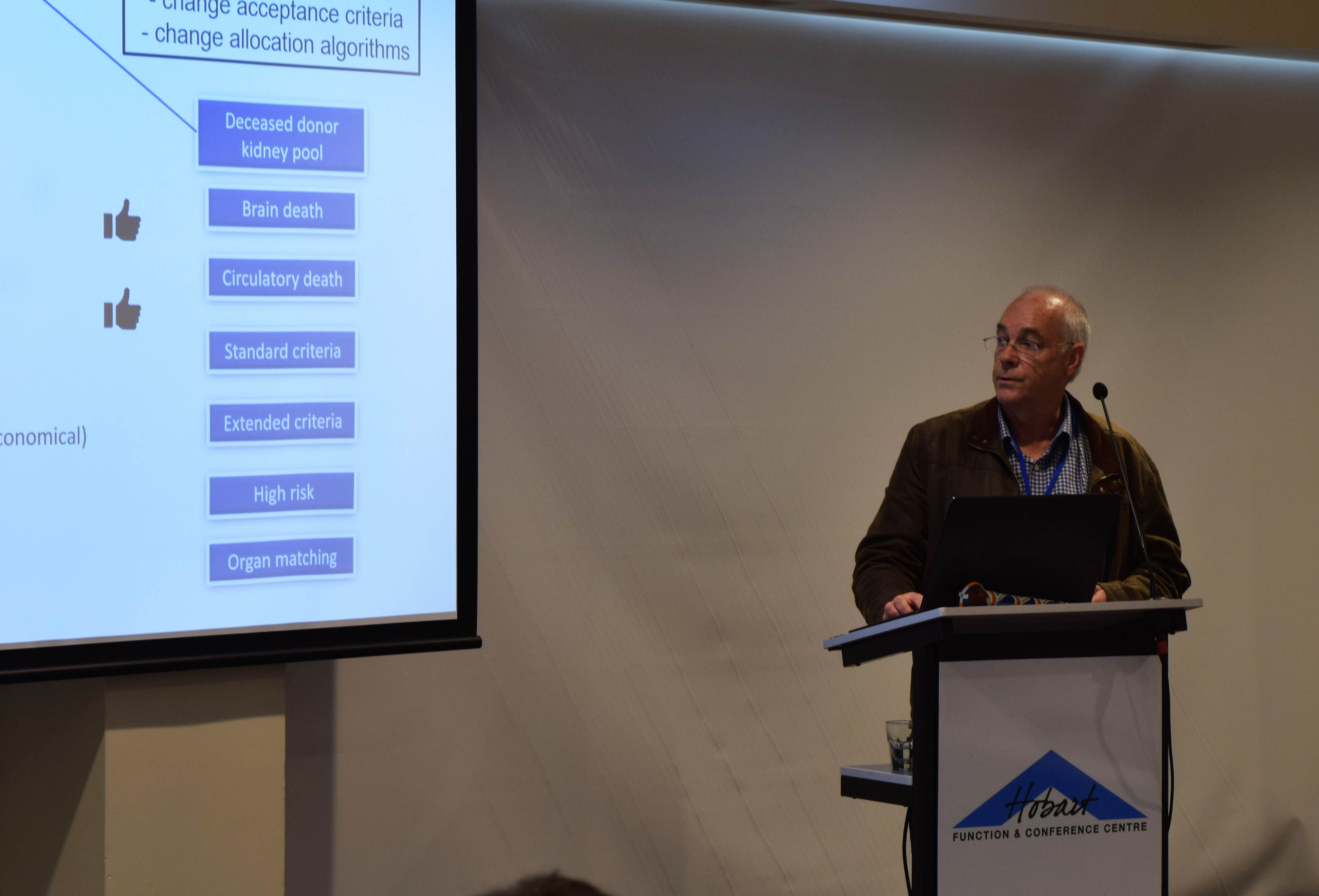
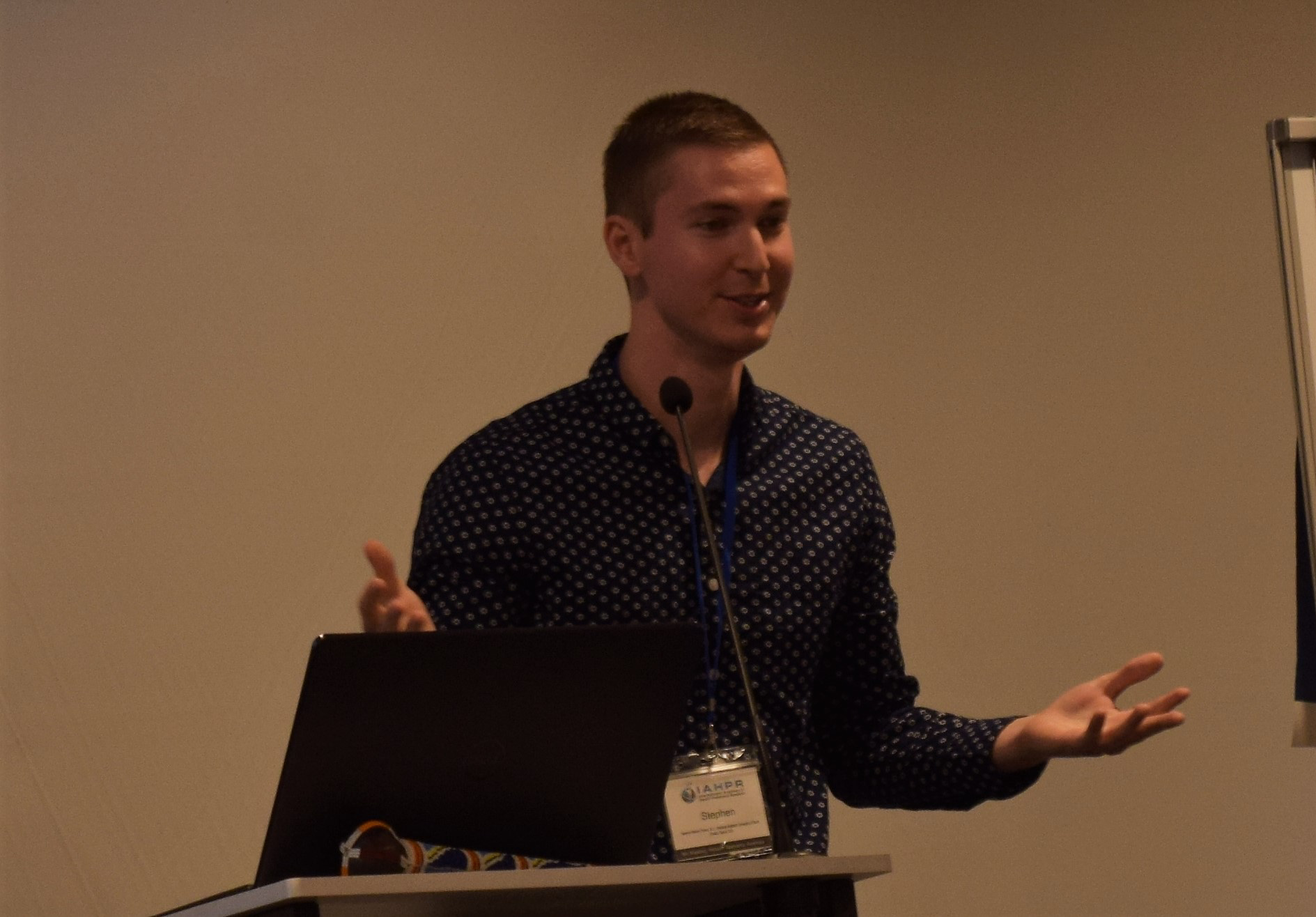
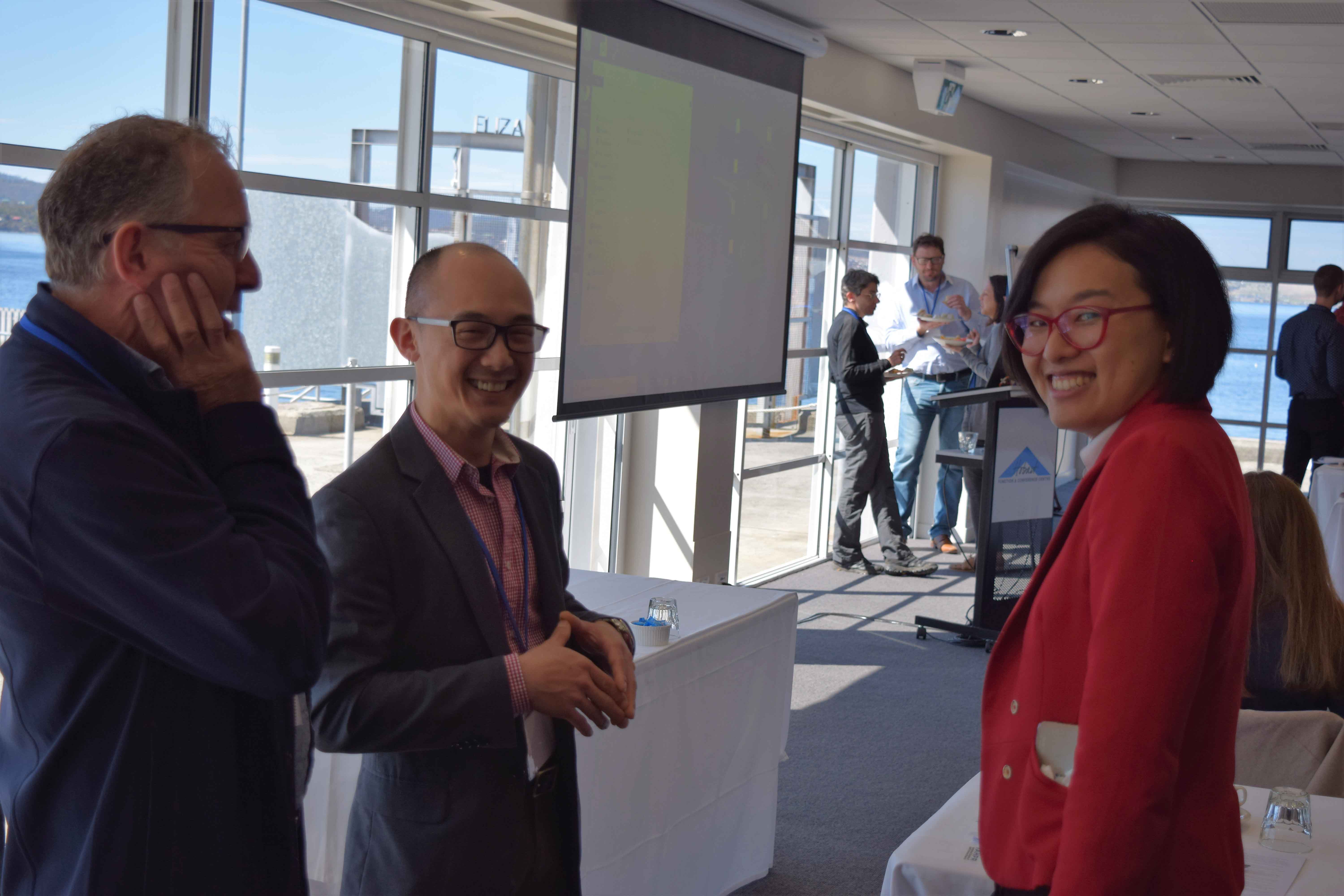
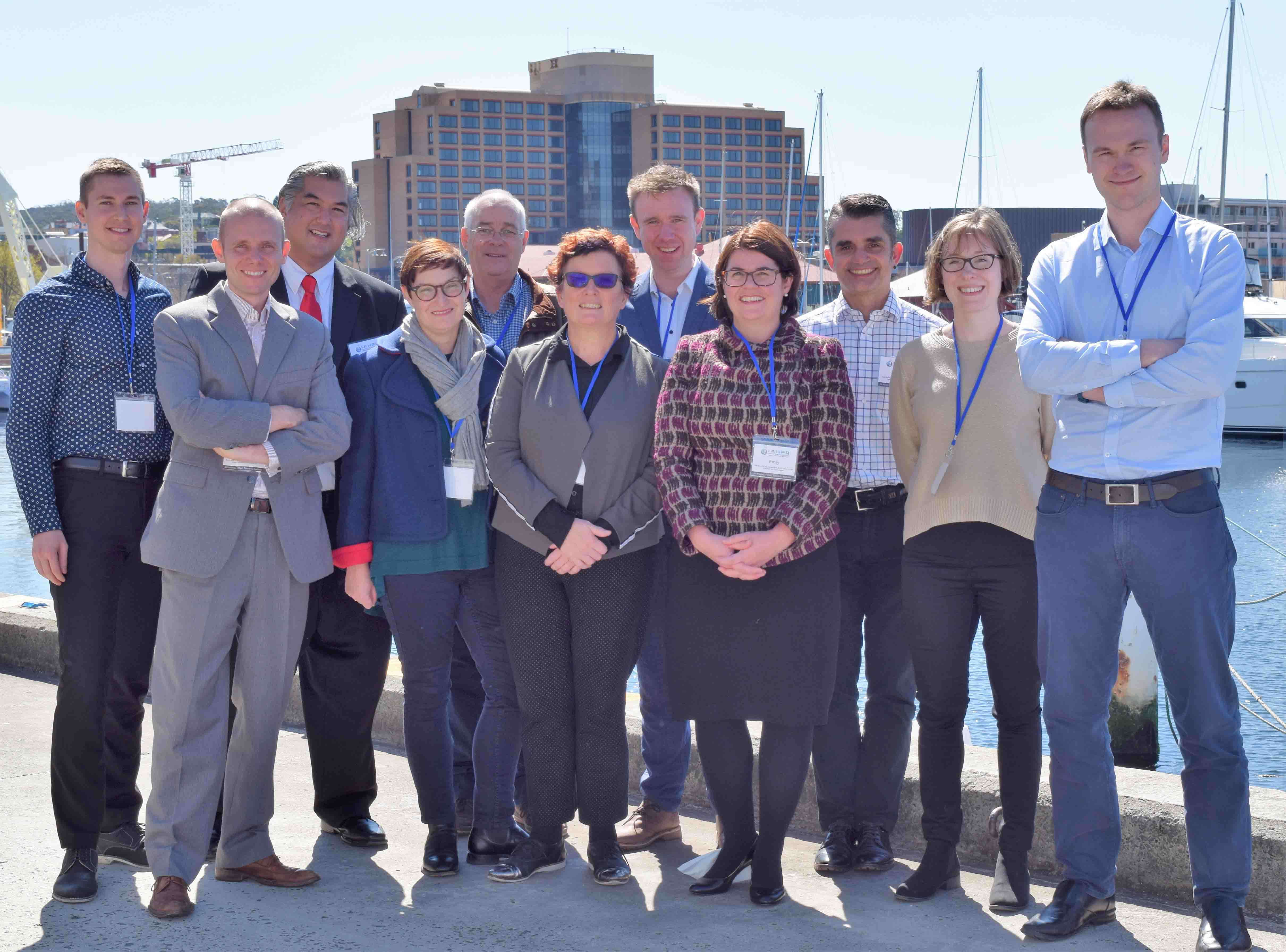
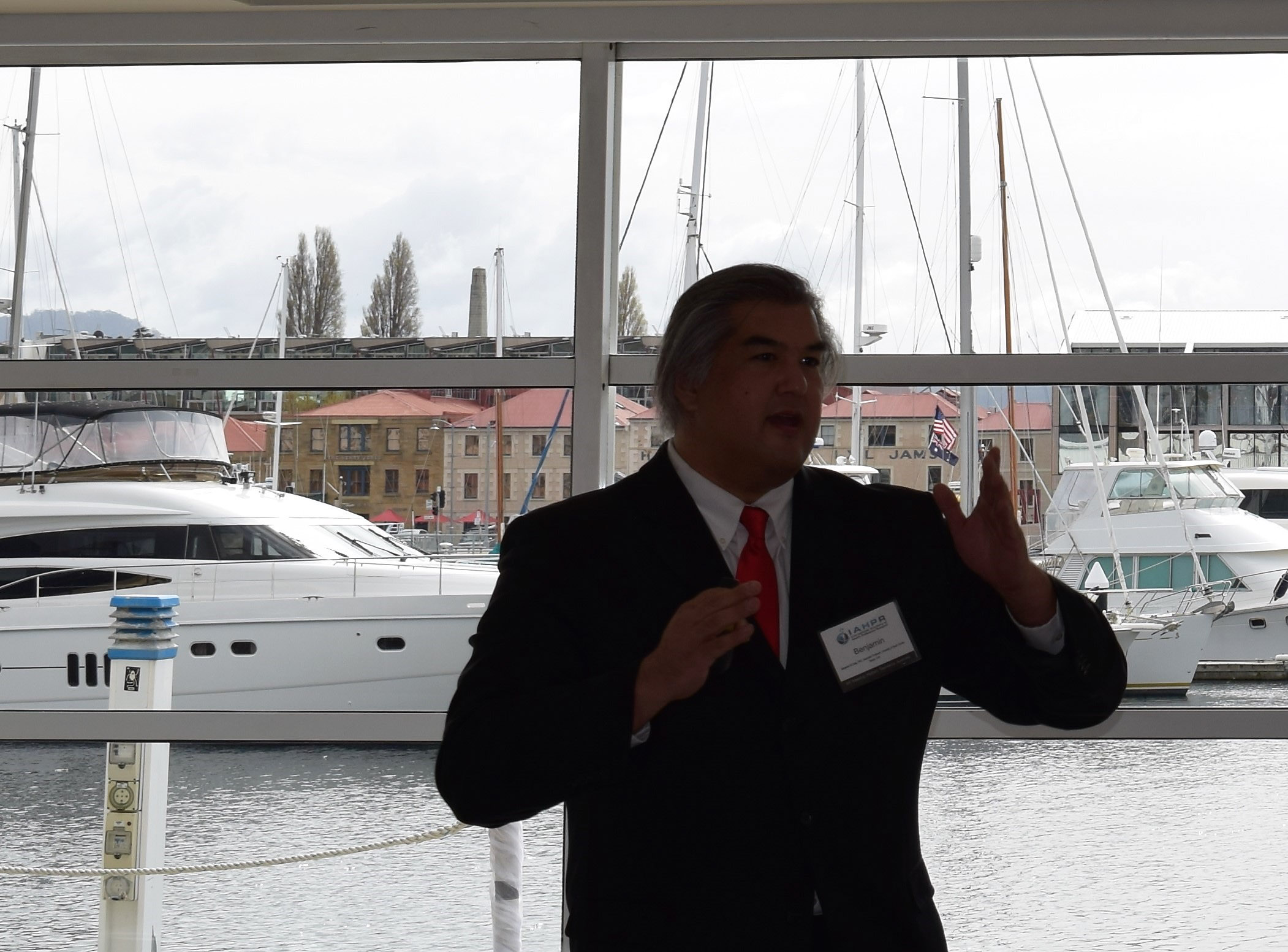
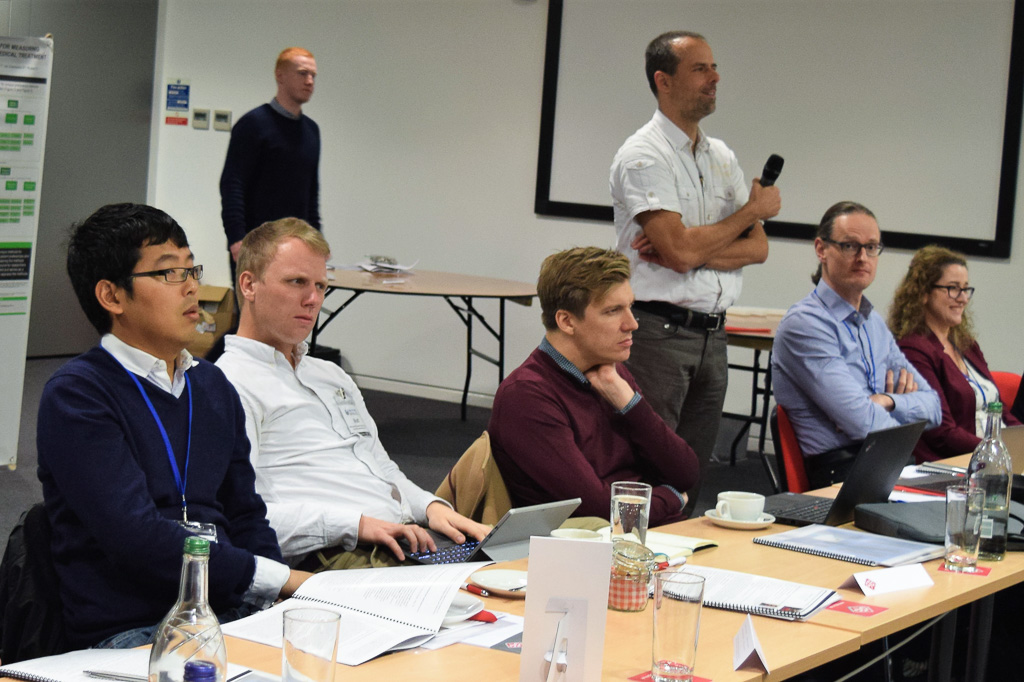
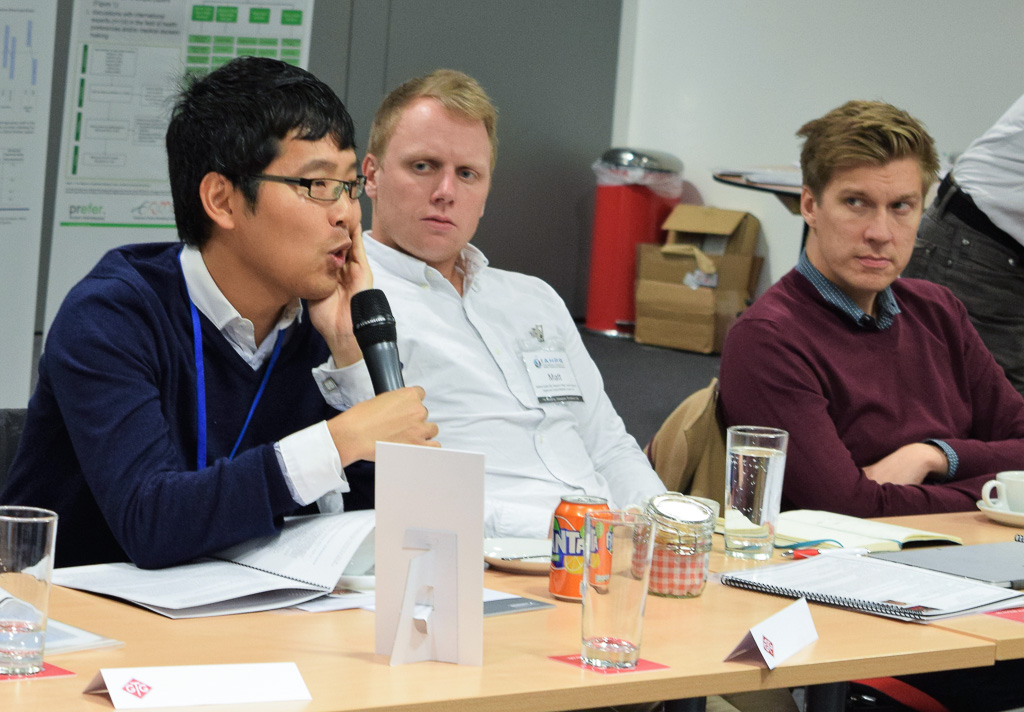
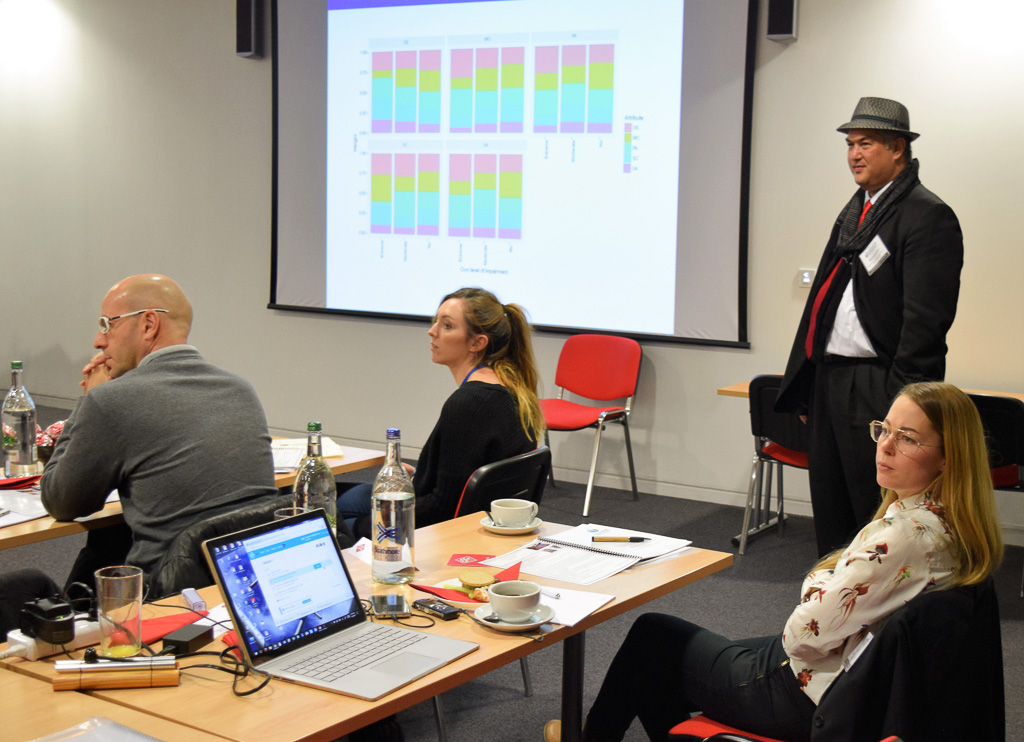
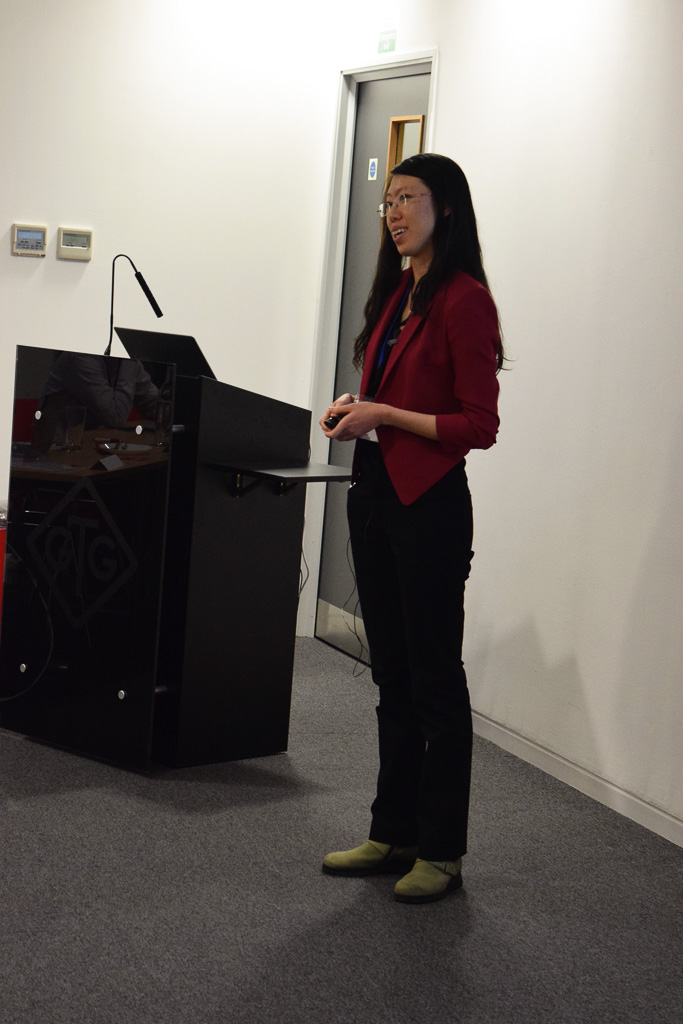
The 11th Meeting had 36 attendees from 3 countries: Australia(24), New Zealand(7), and United States (5). In terms of faculty-to-student ratio, the Academy had 8 tenured members and 14 students in attendance (i.e., 1 to 2 ratio). Many thanks to all who made this possible, particularly Elisabeth Huynh and Richard De Abreu Lourenço, who chaired the meeting, as well as Emily Lancsar, who hosted the meeting, and Benjamin M. Craig, who led the workshop.

The 10th Meeting was a Great Success!

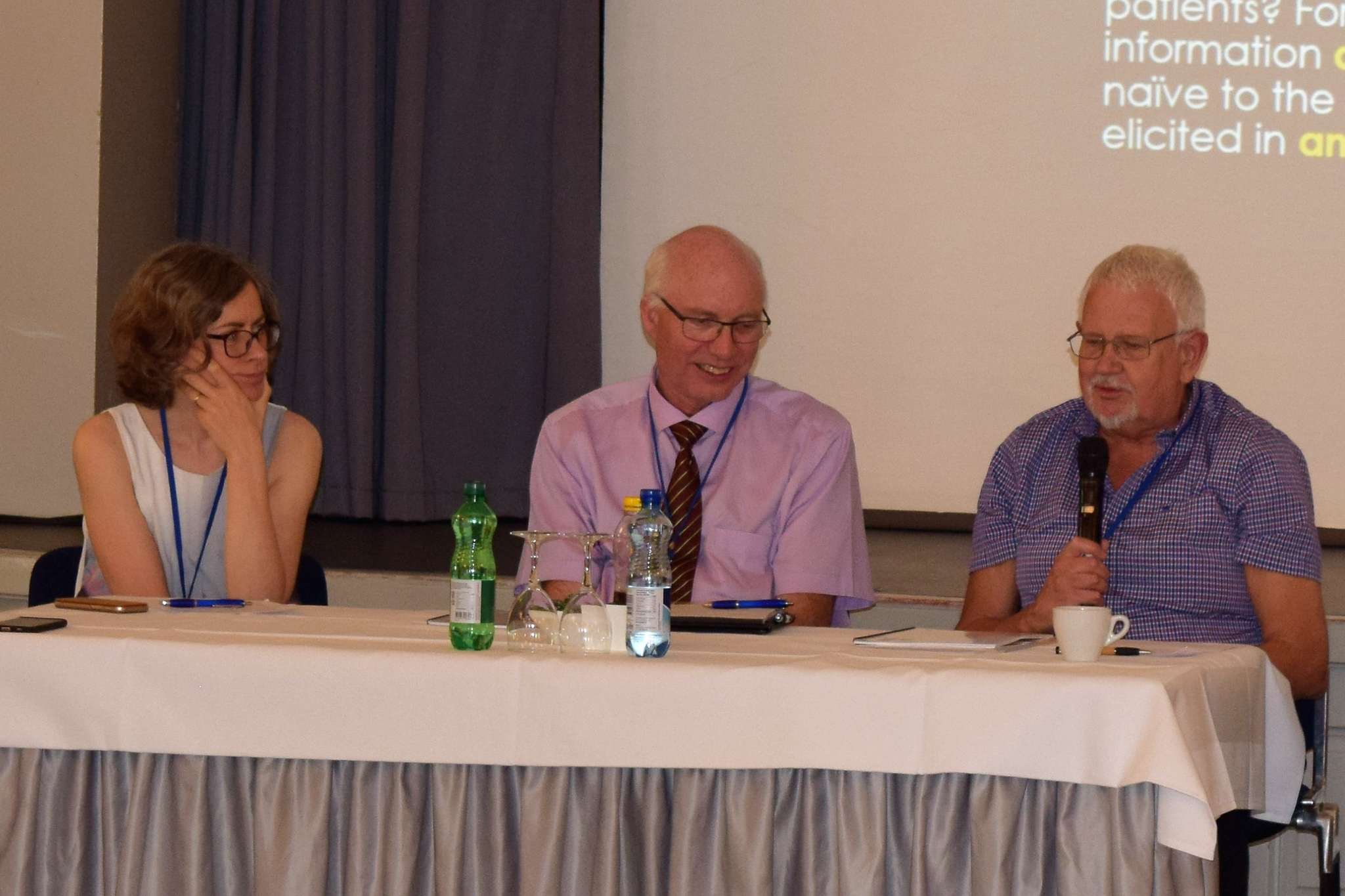
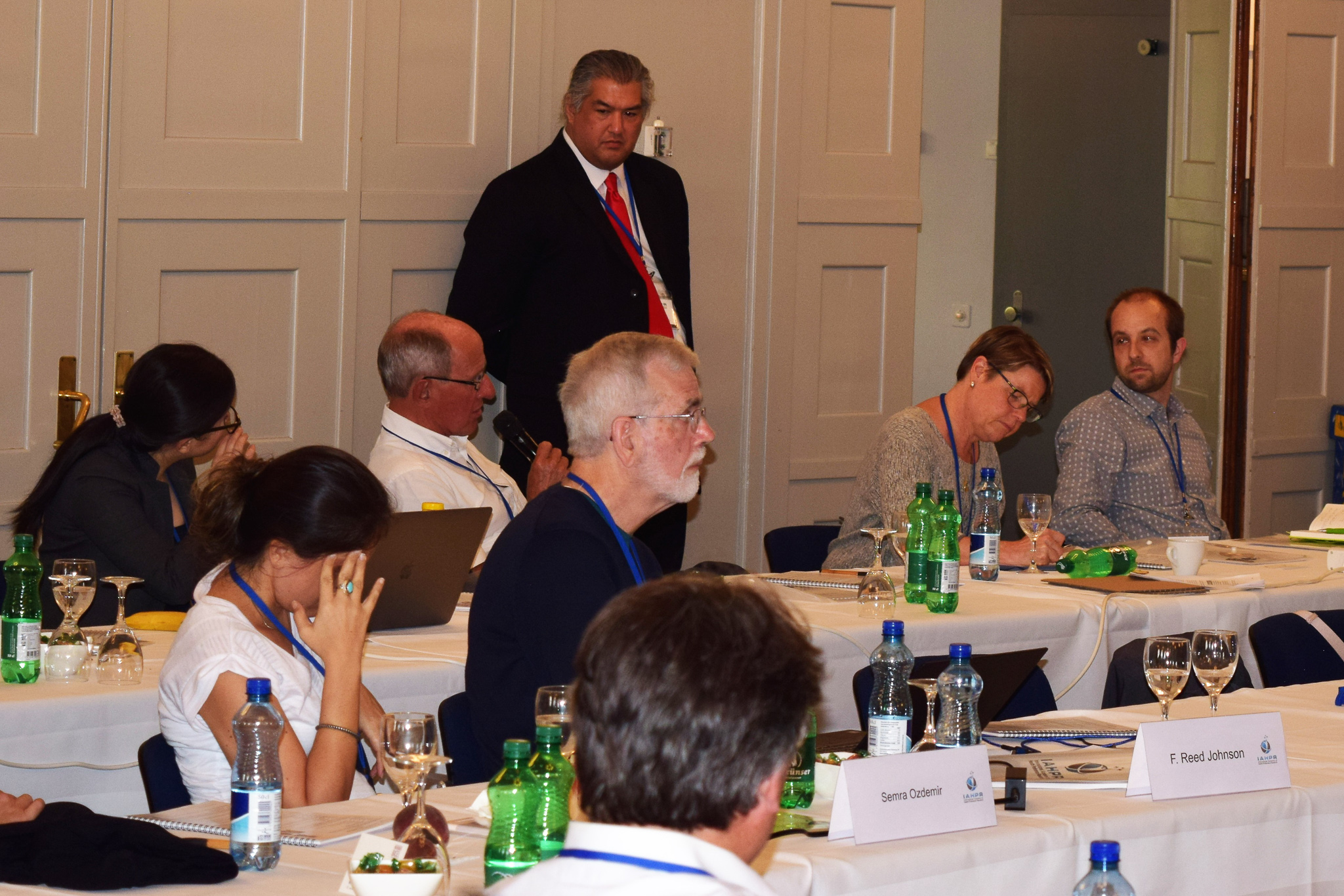
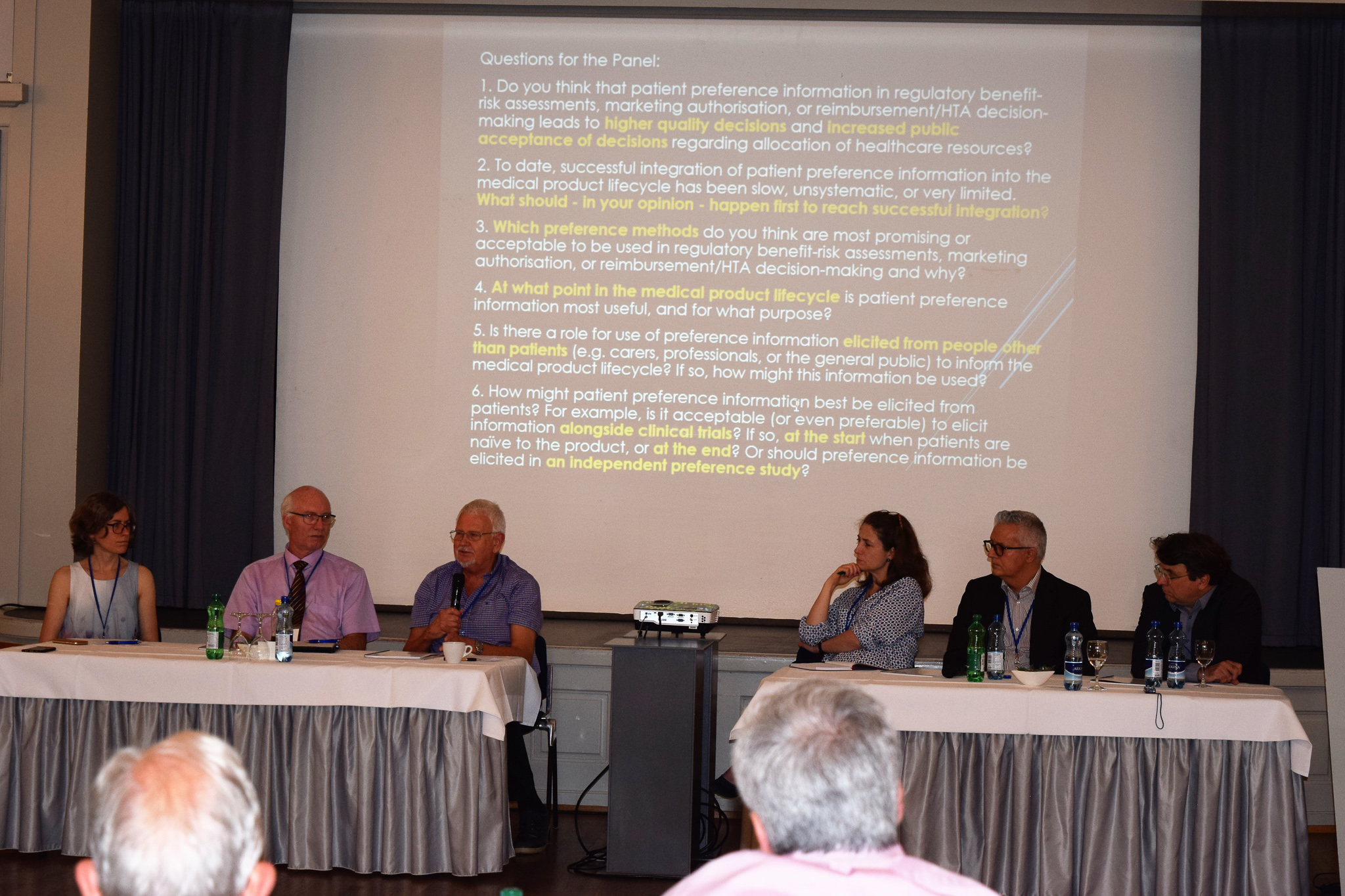
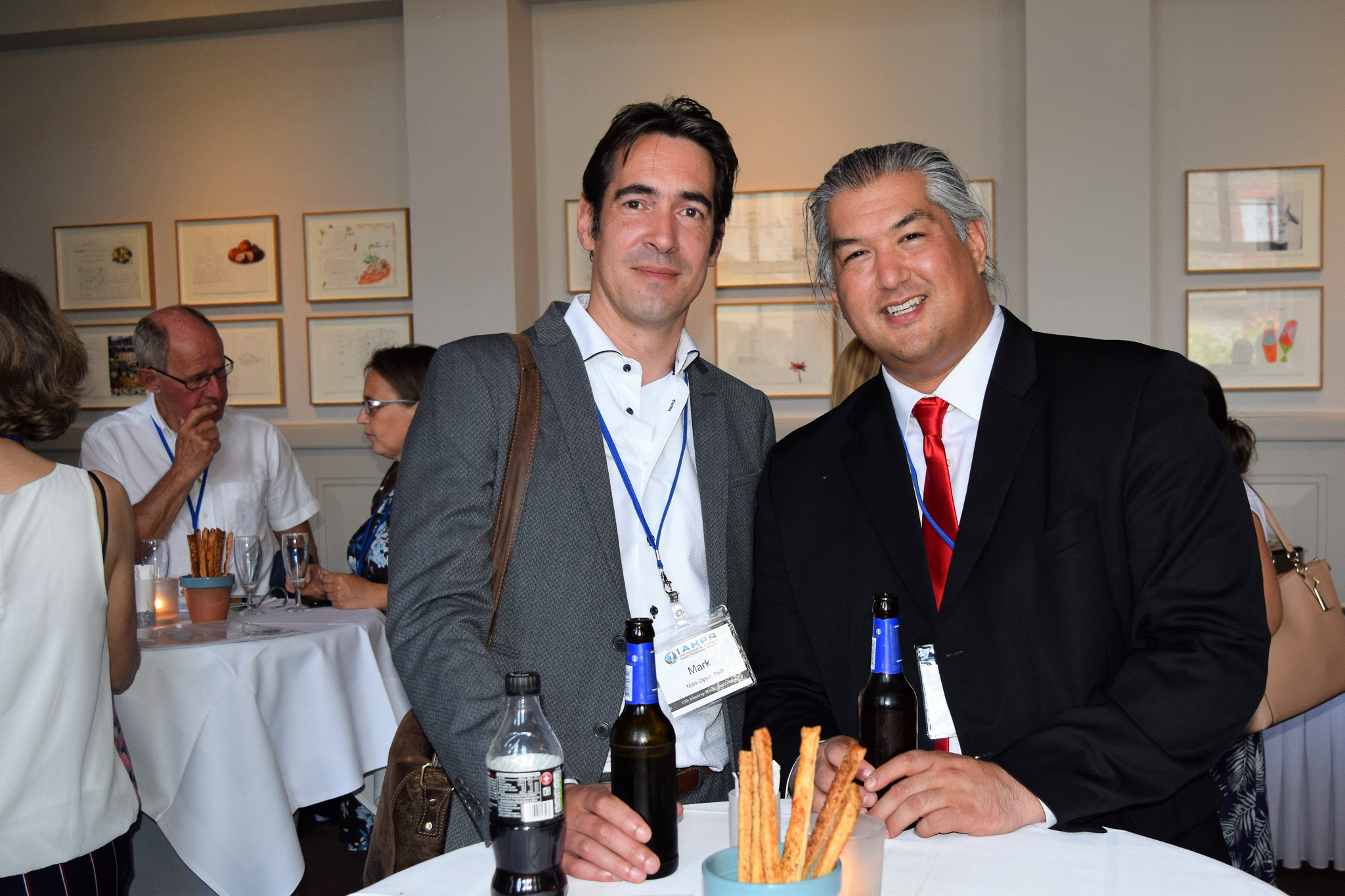
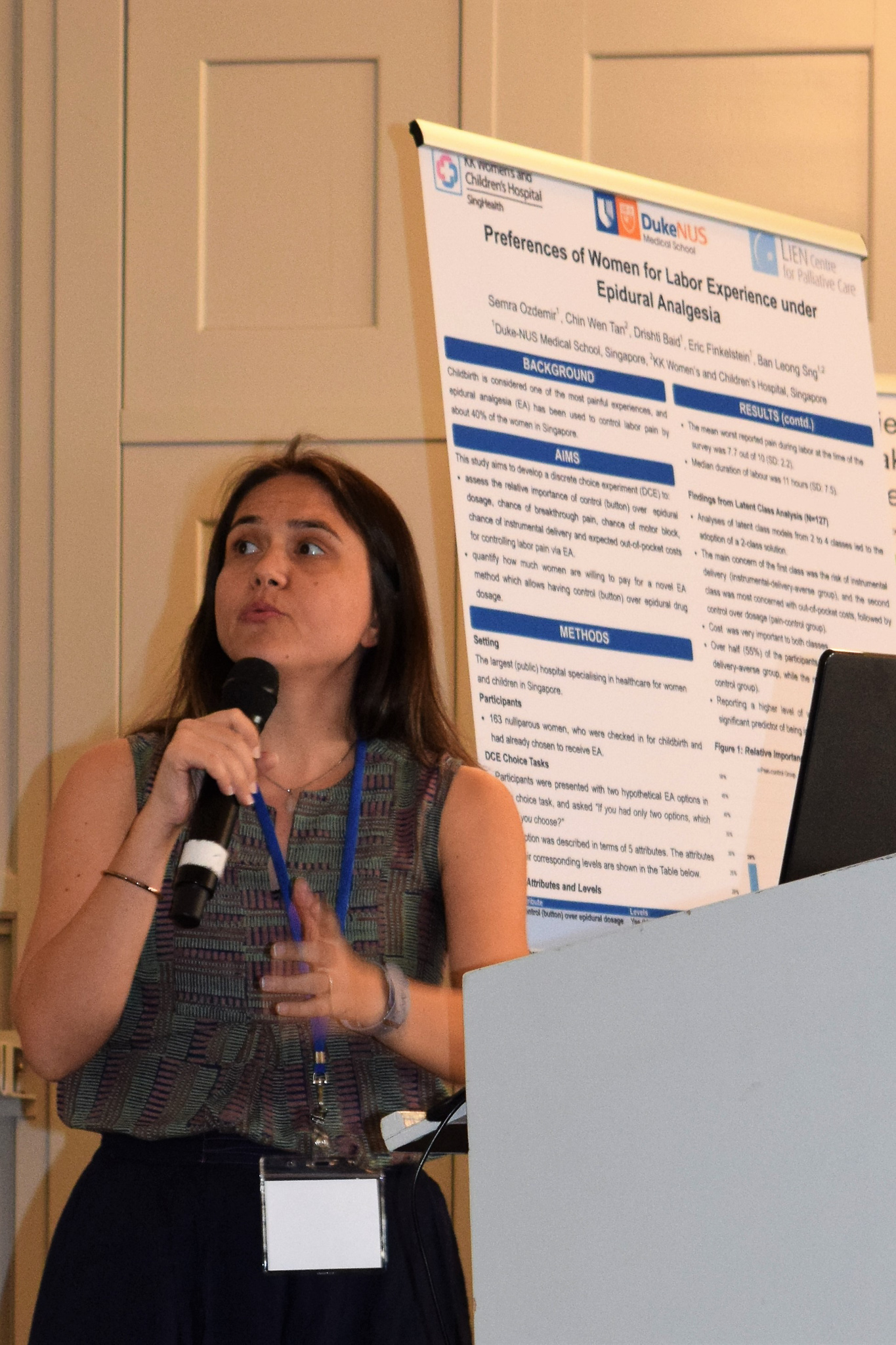
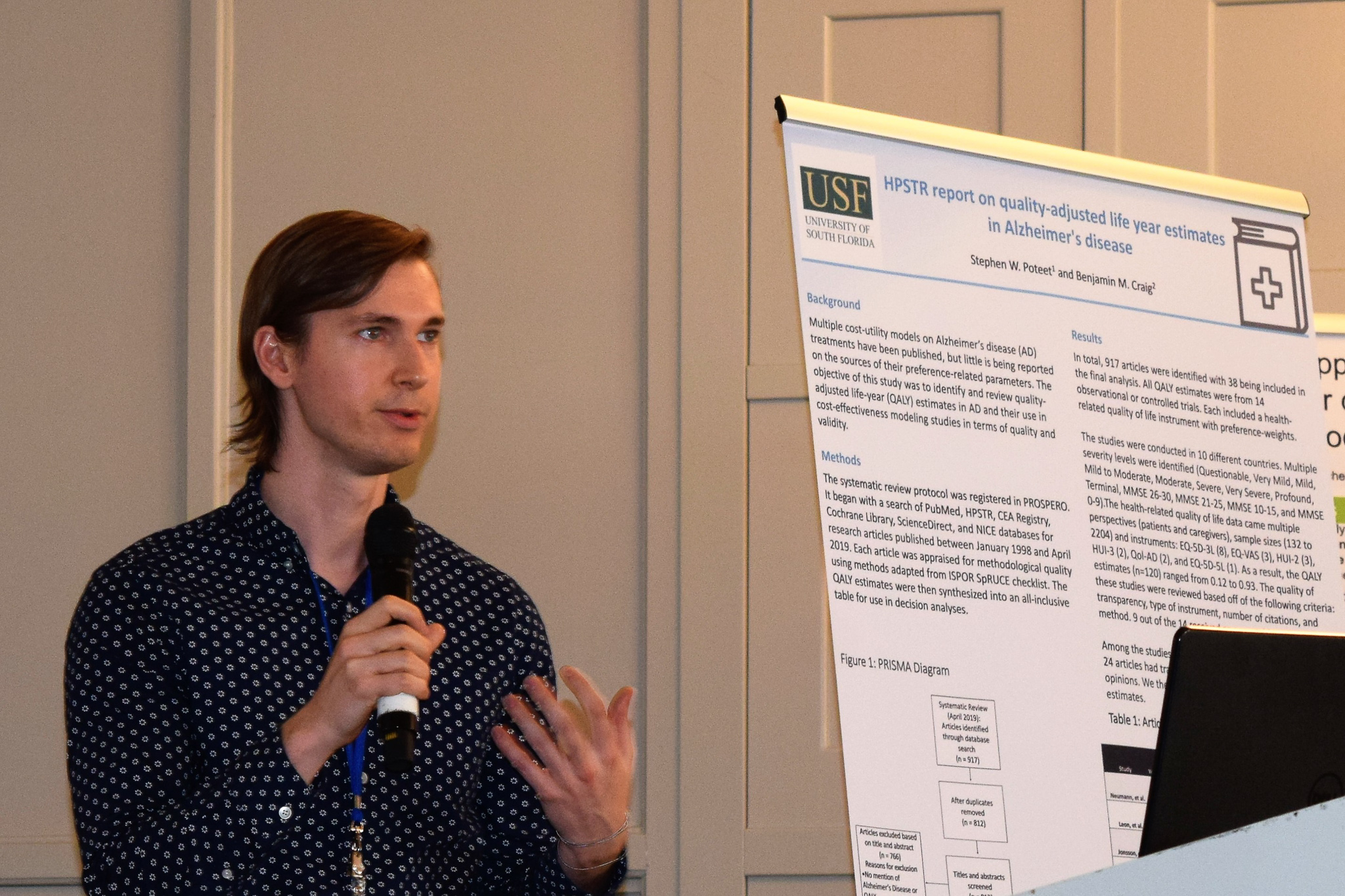
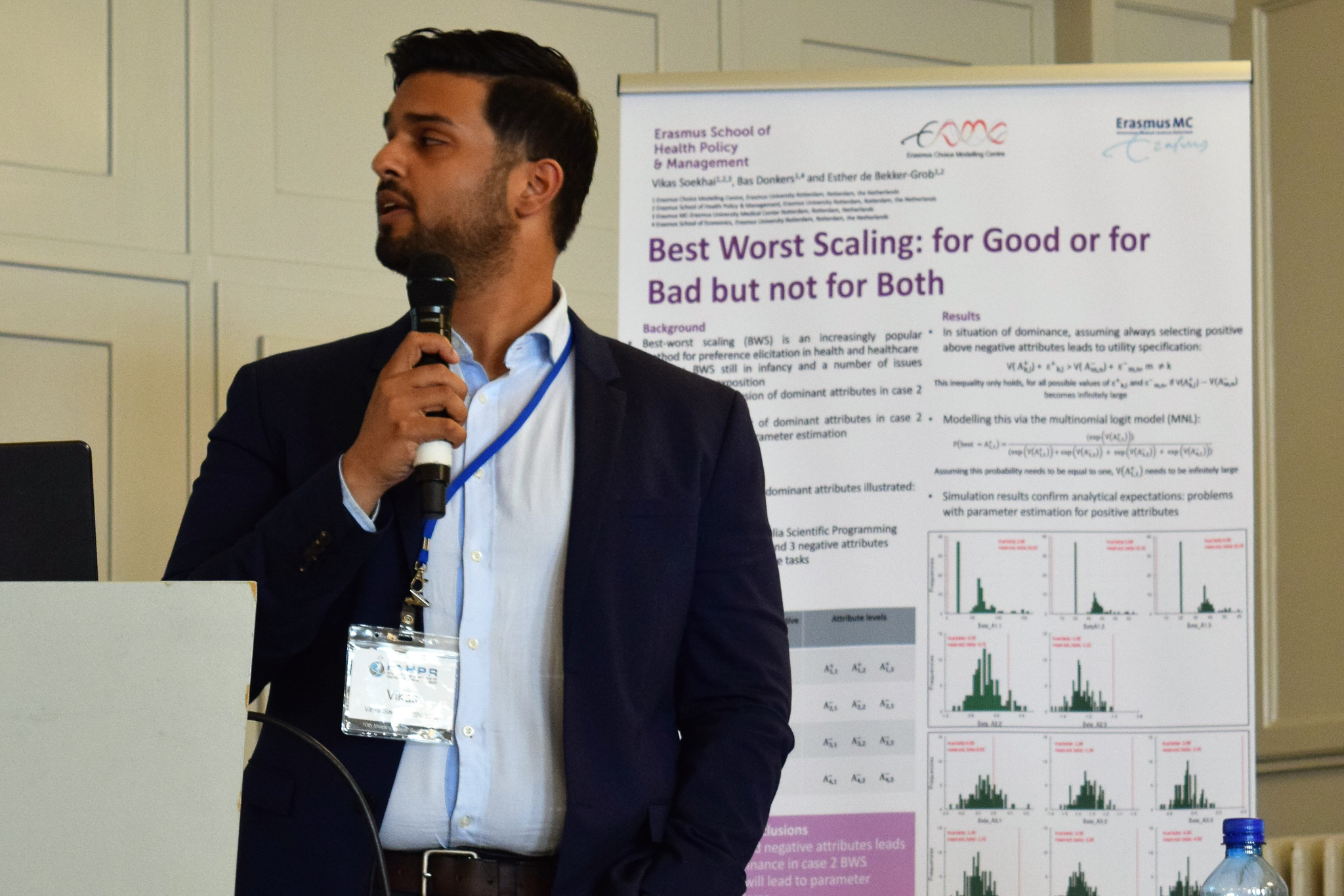
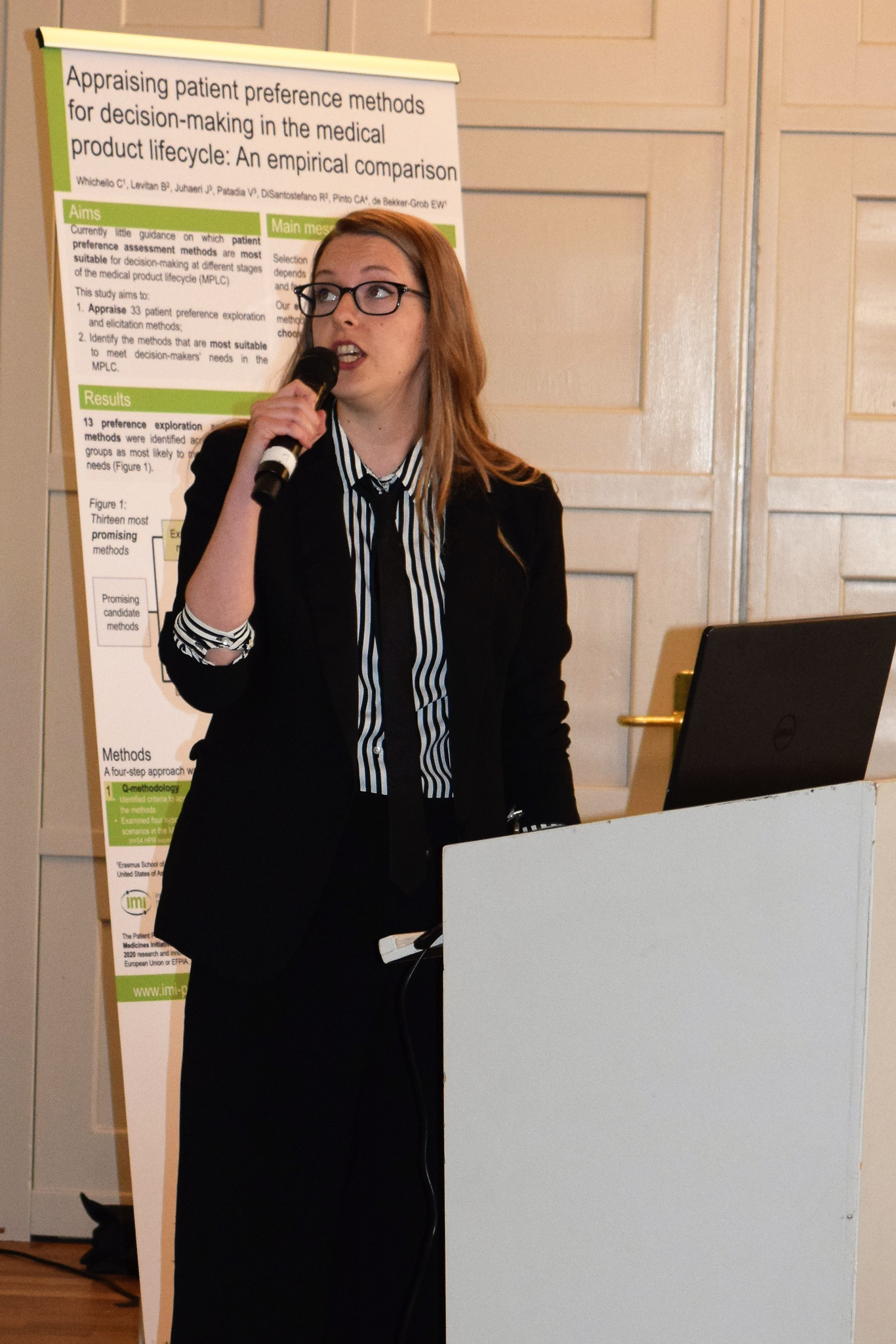
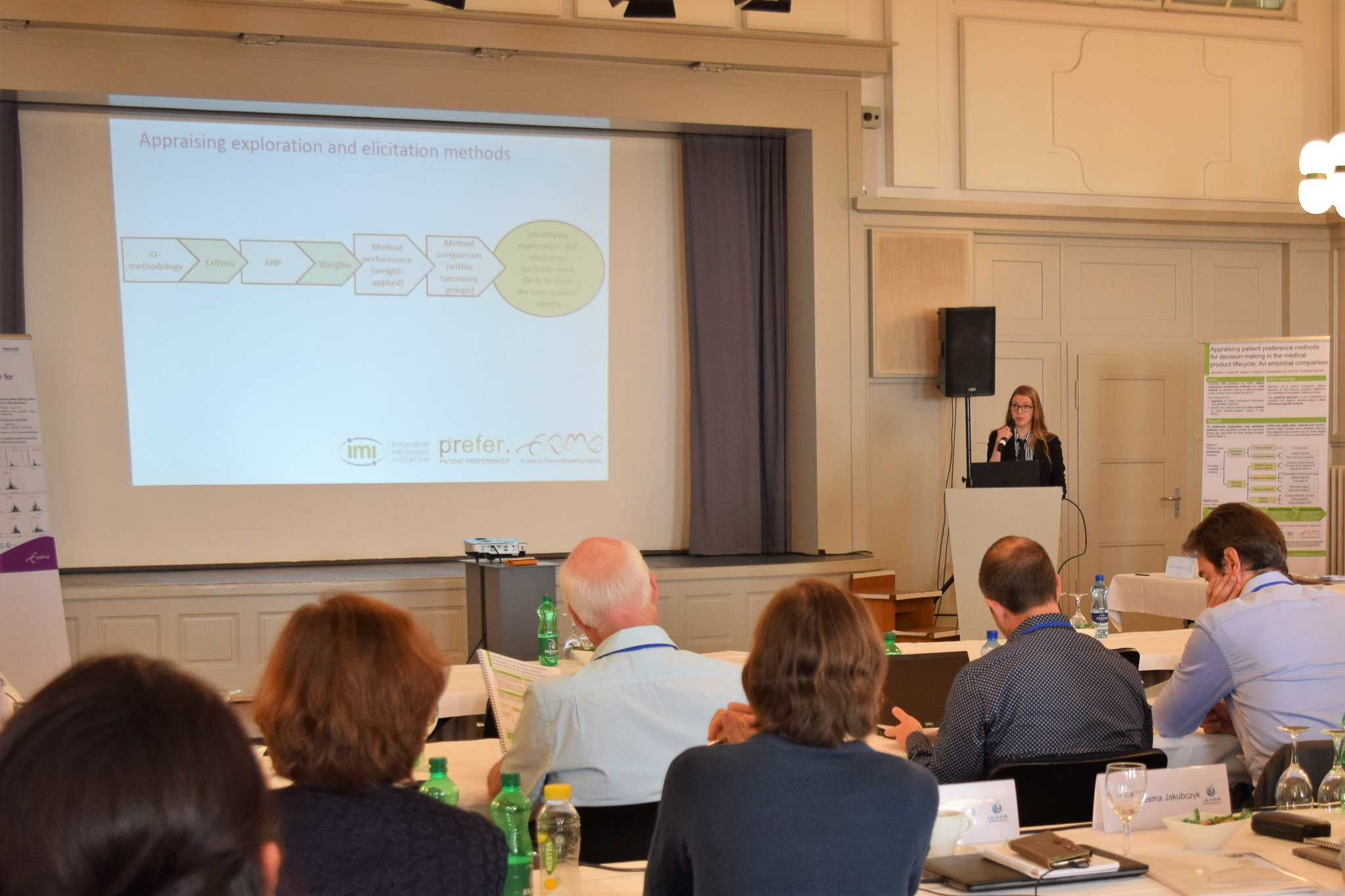
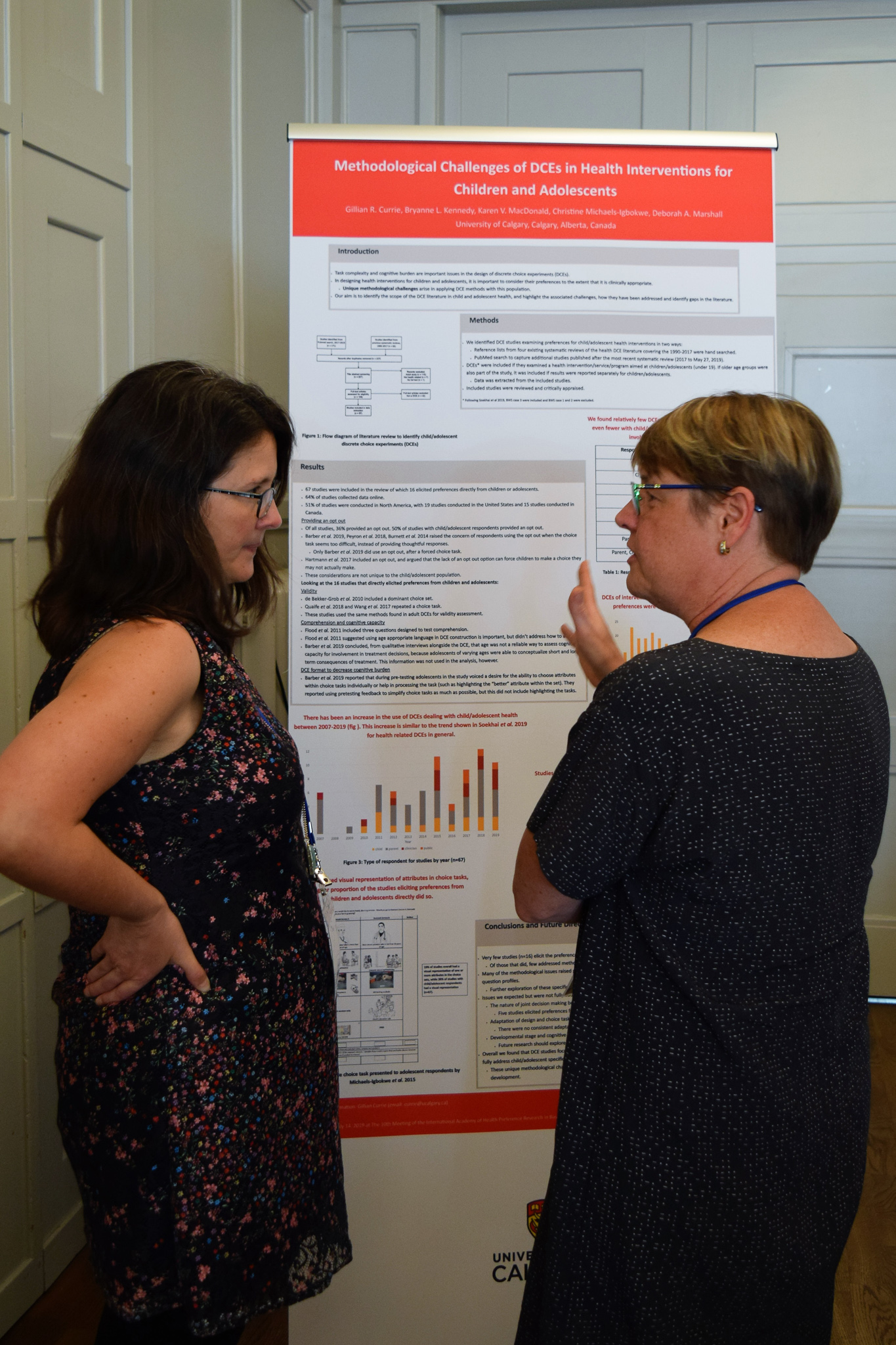
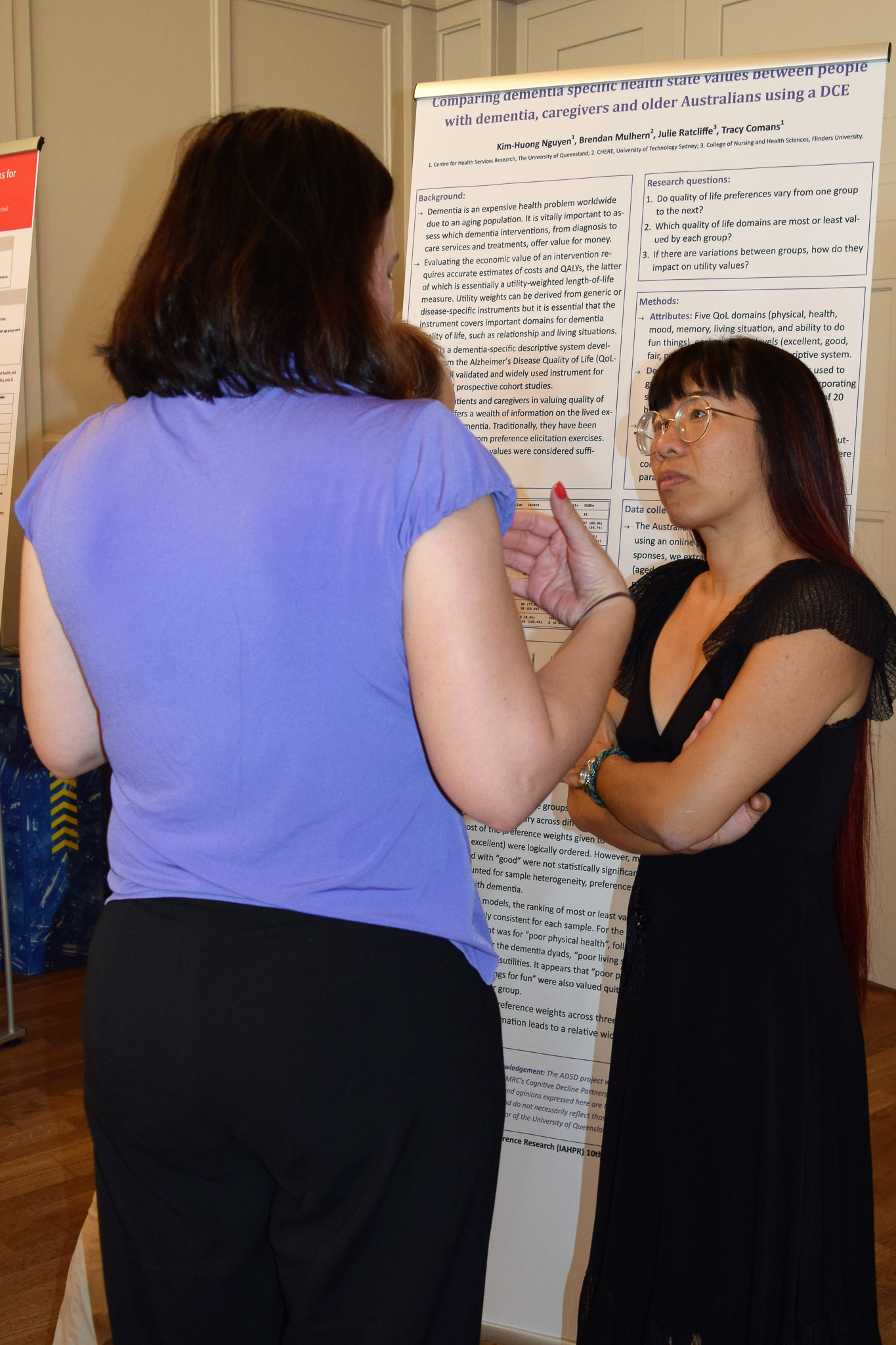
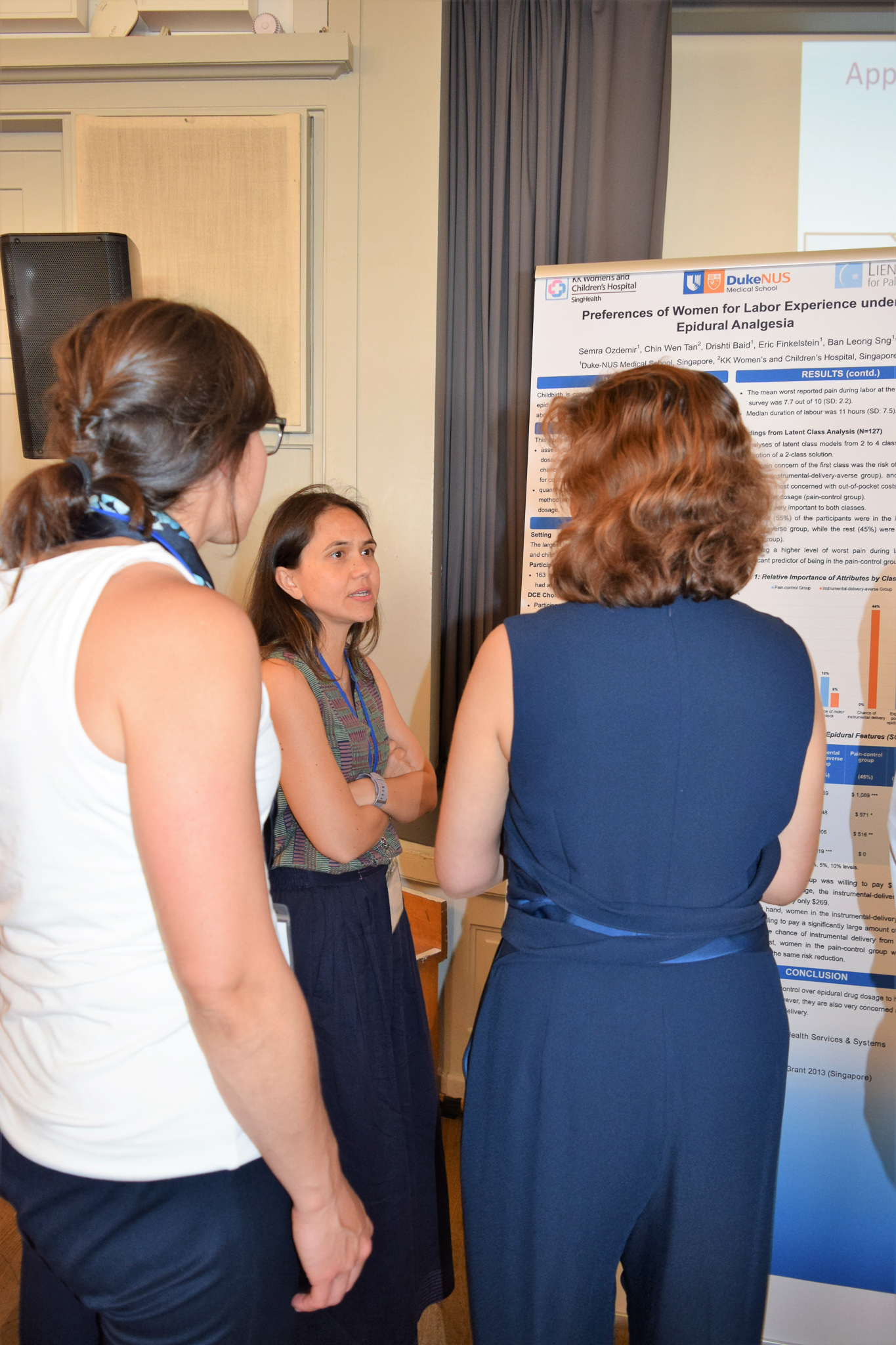
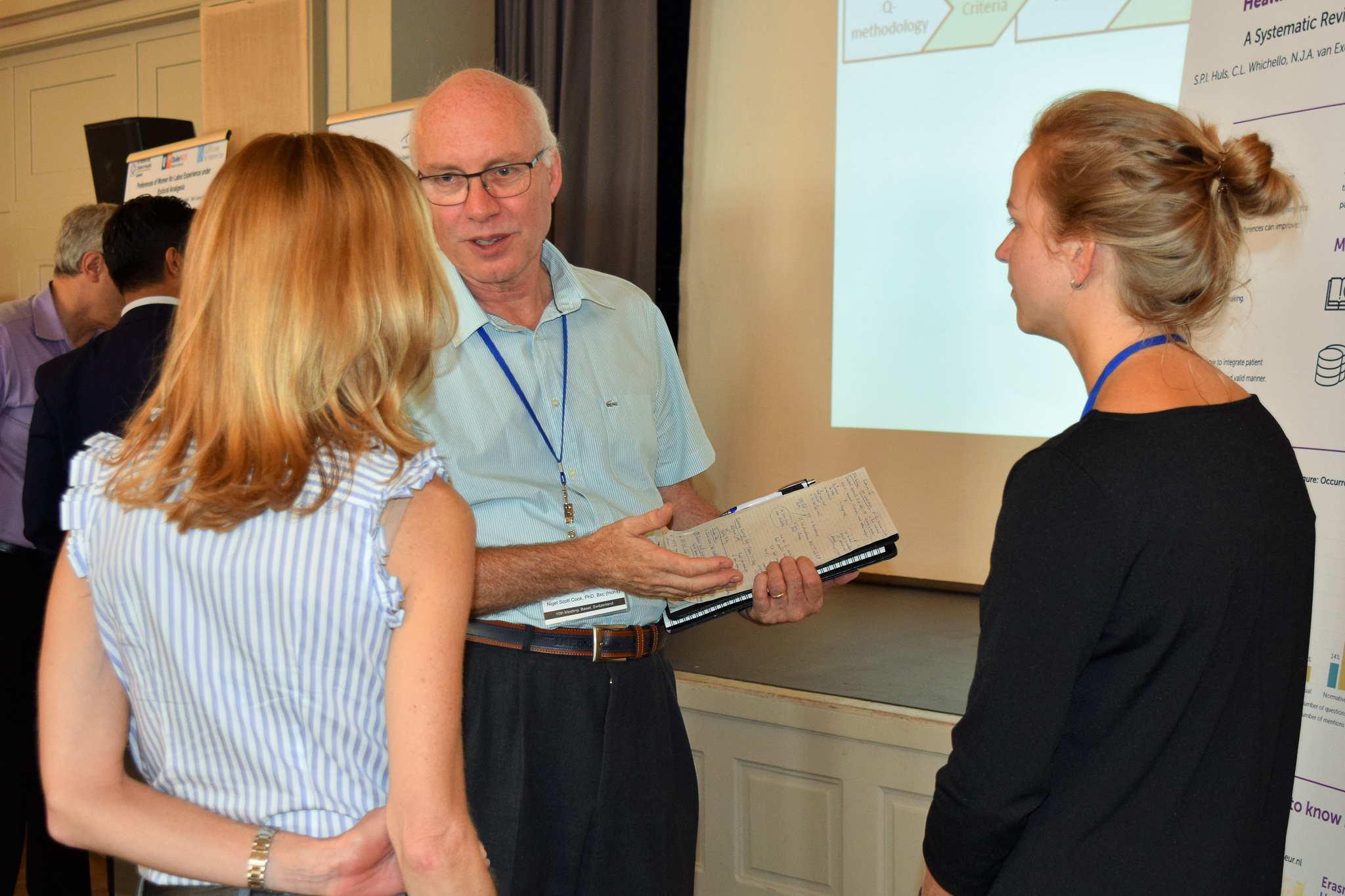
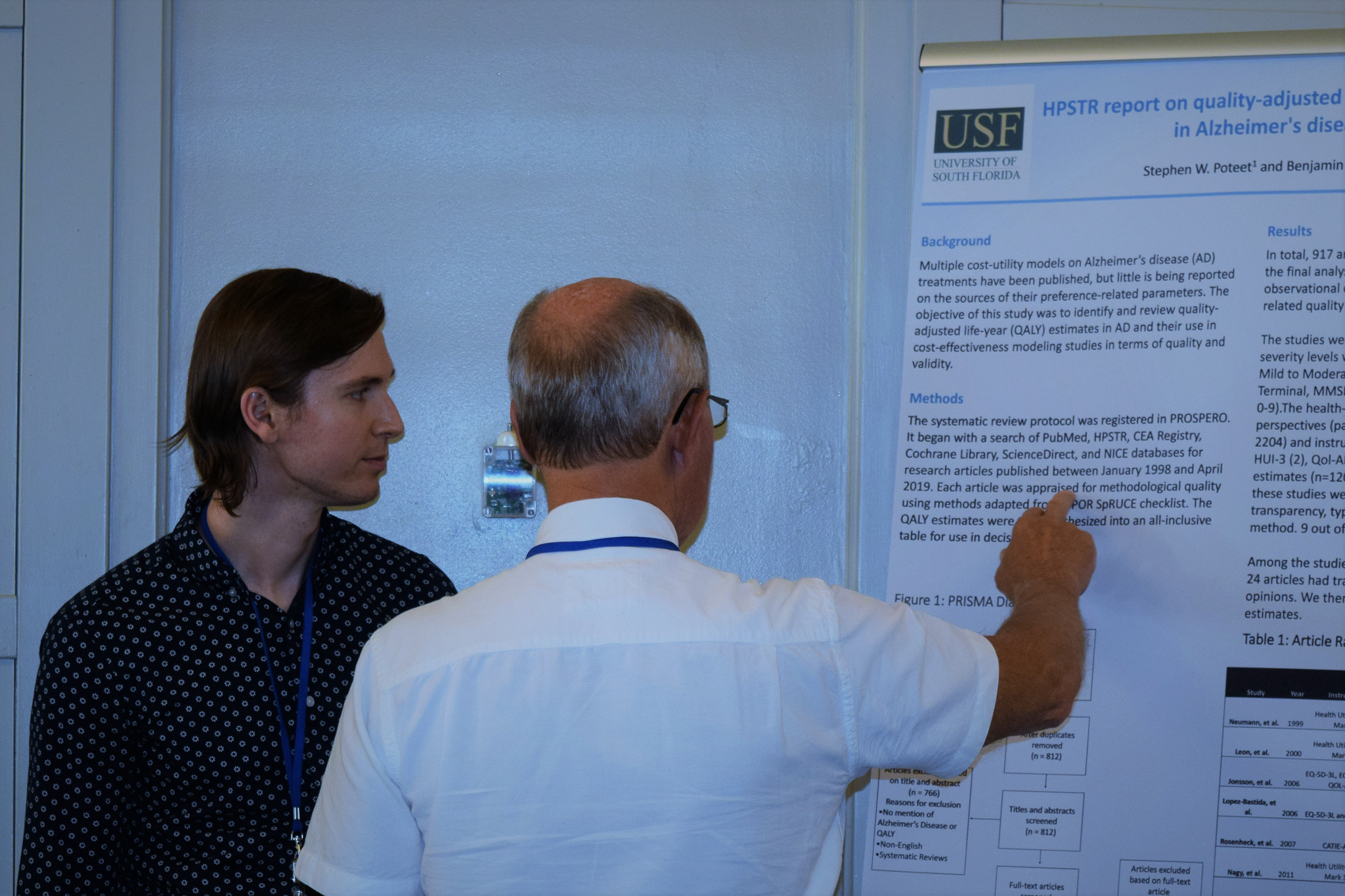
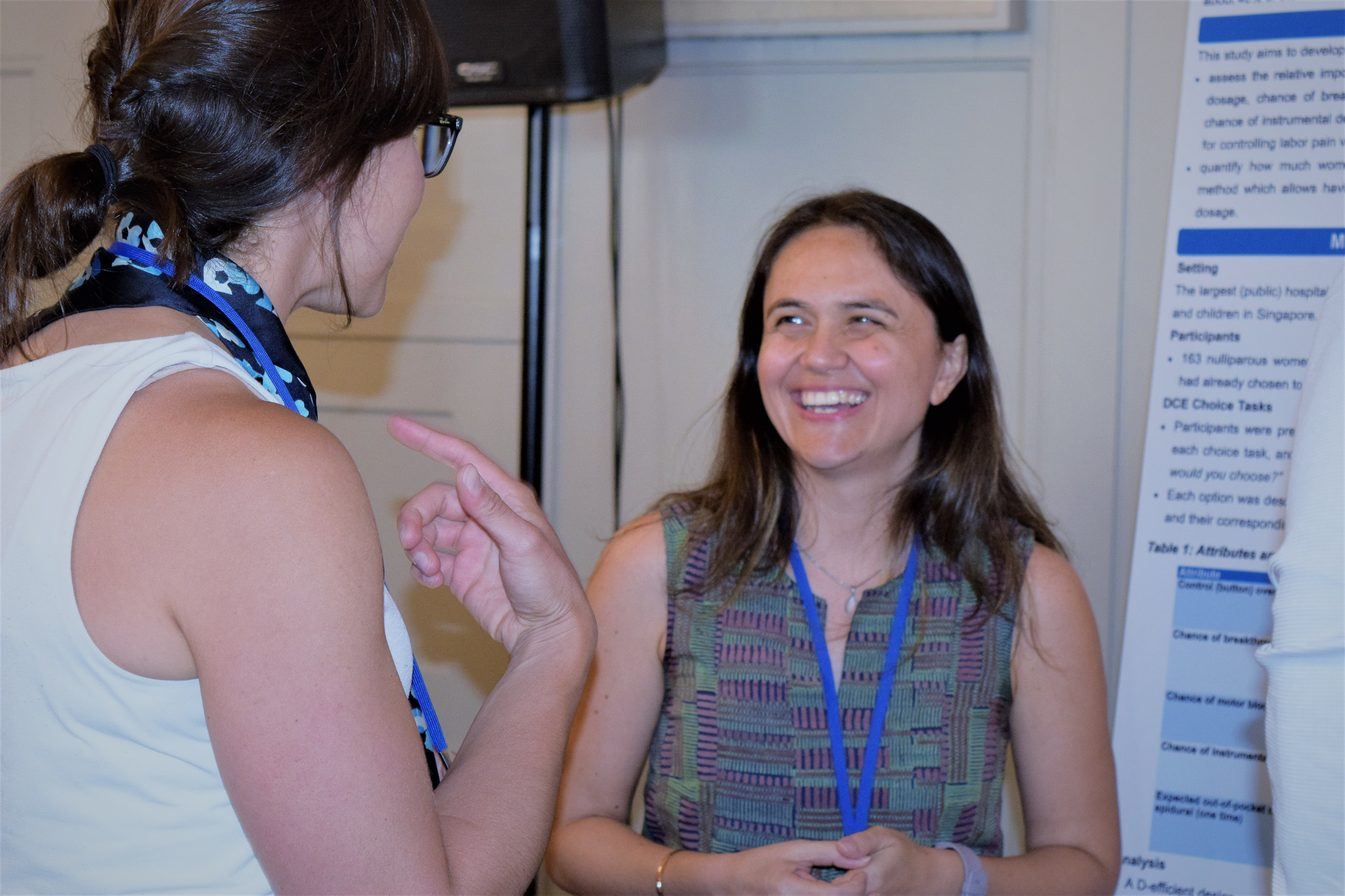
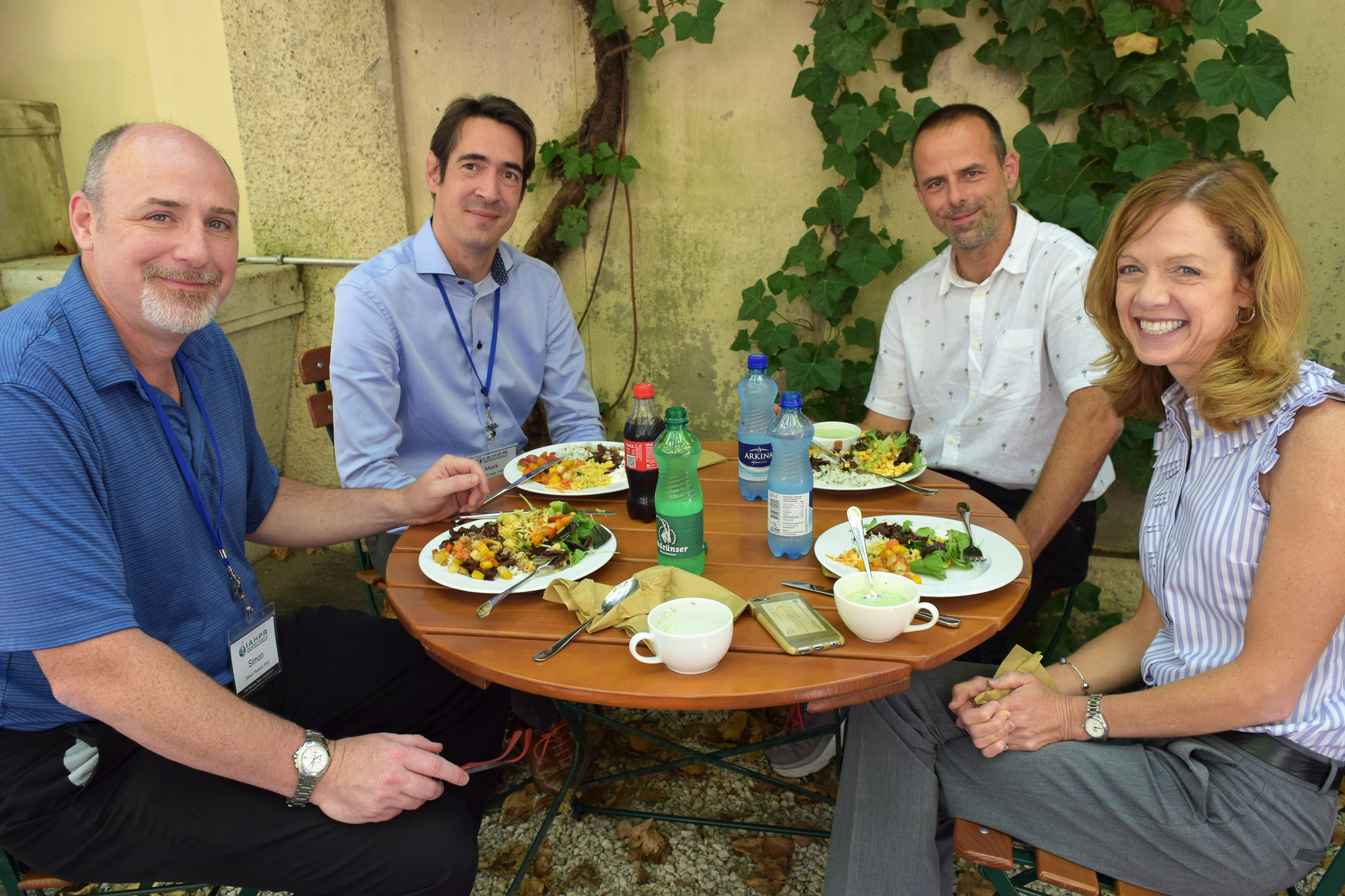
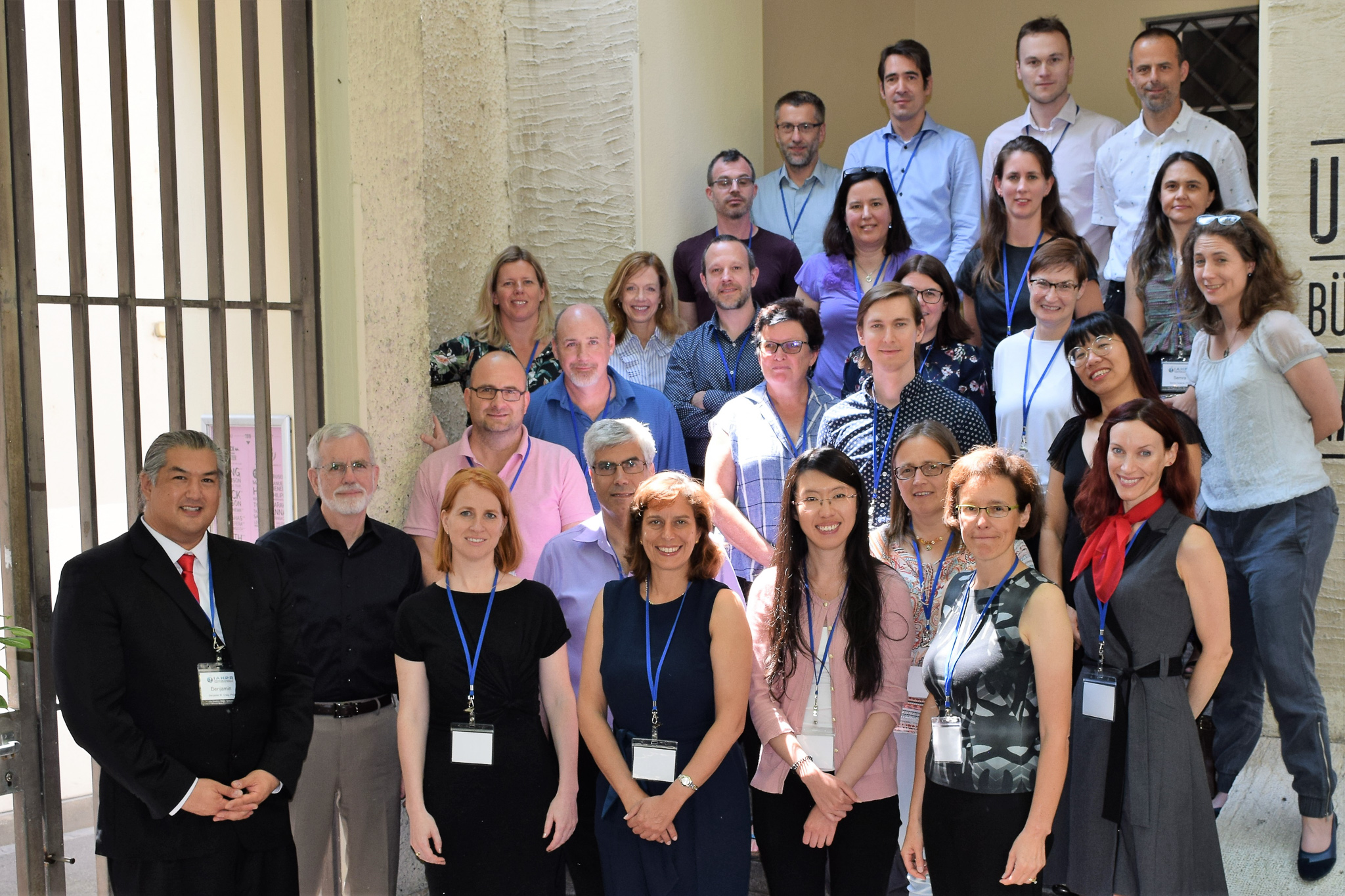
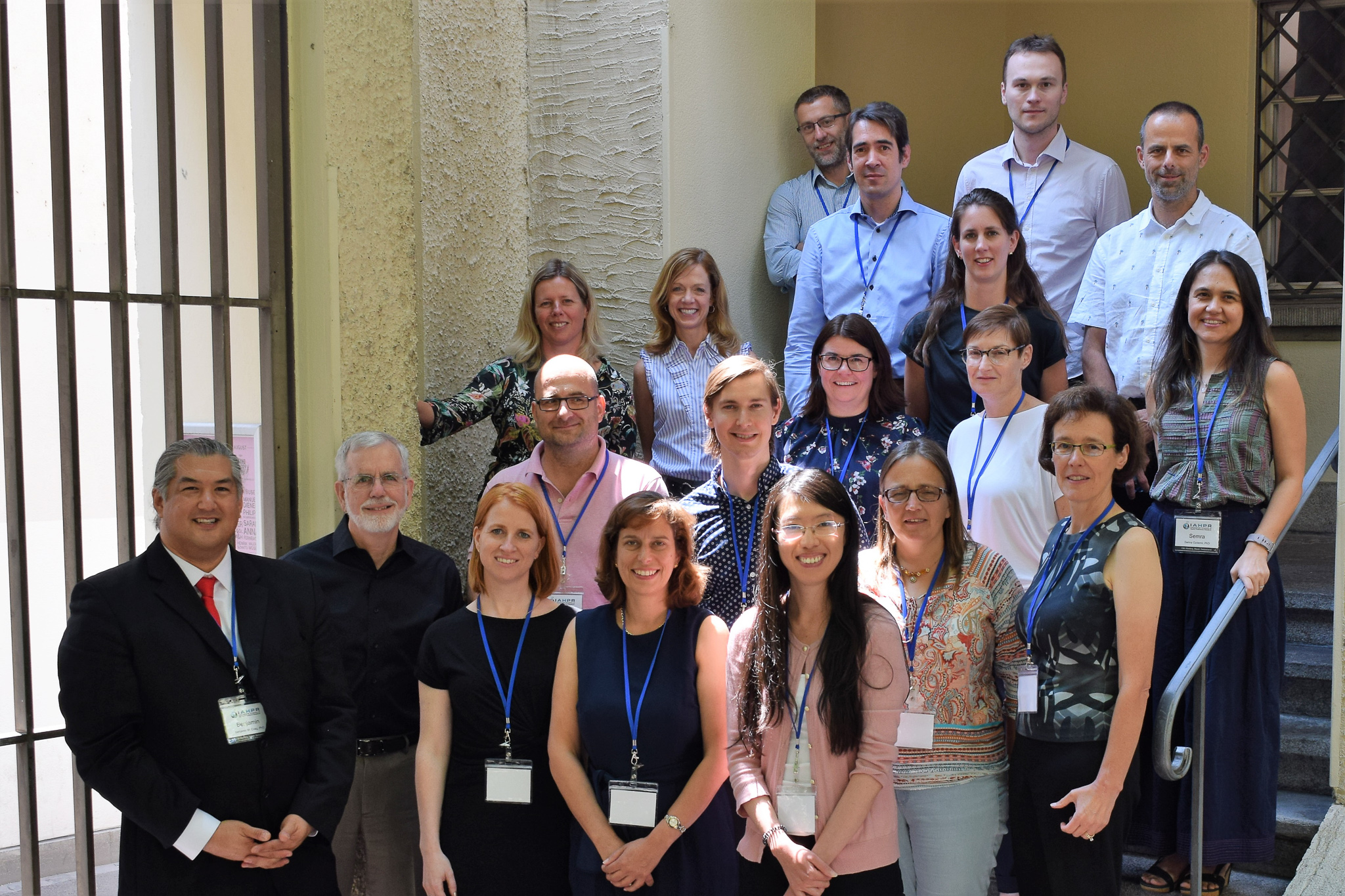
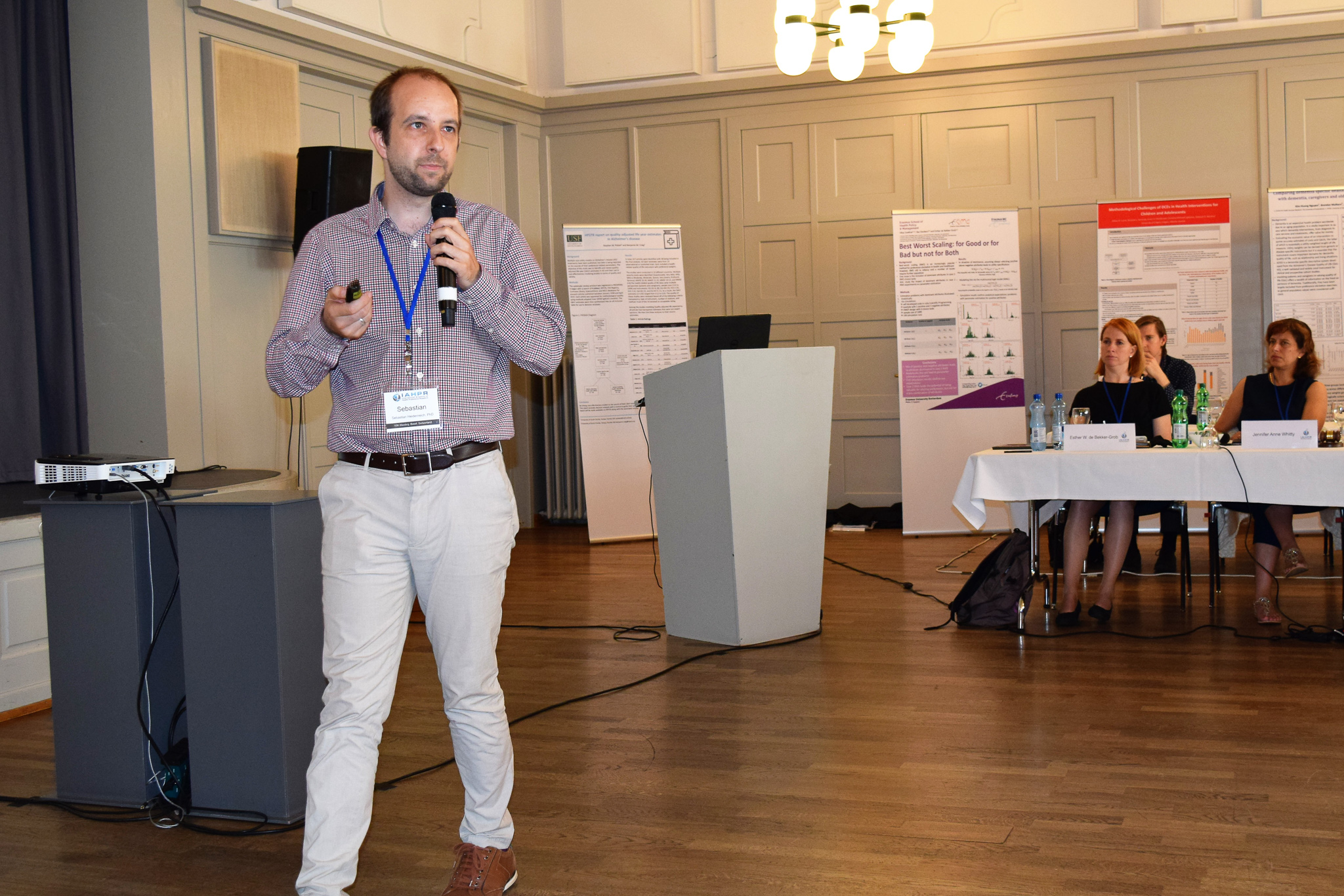
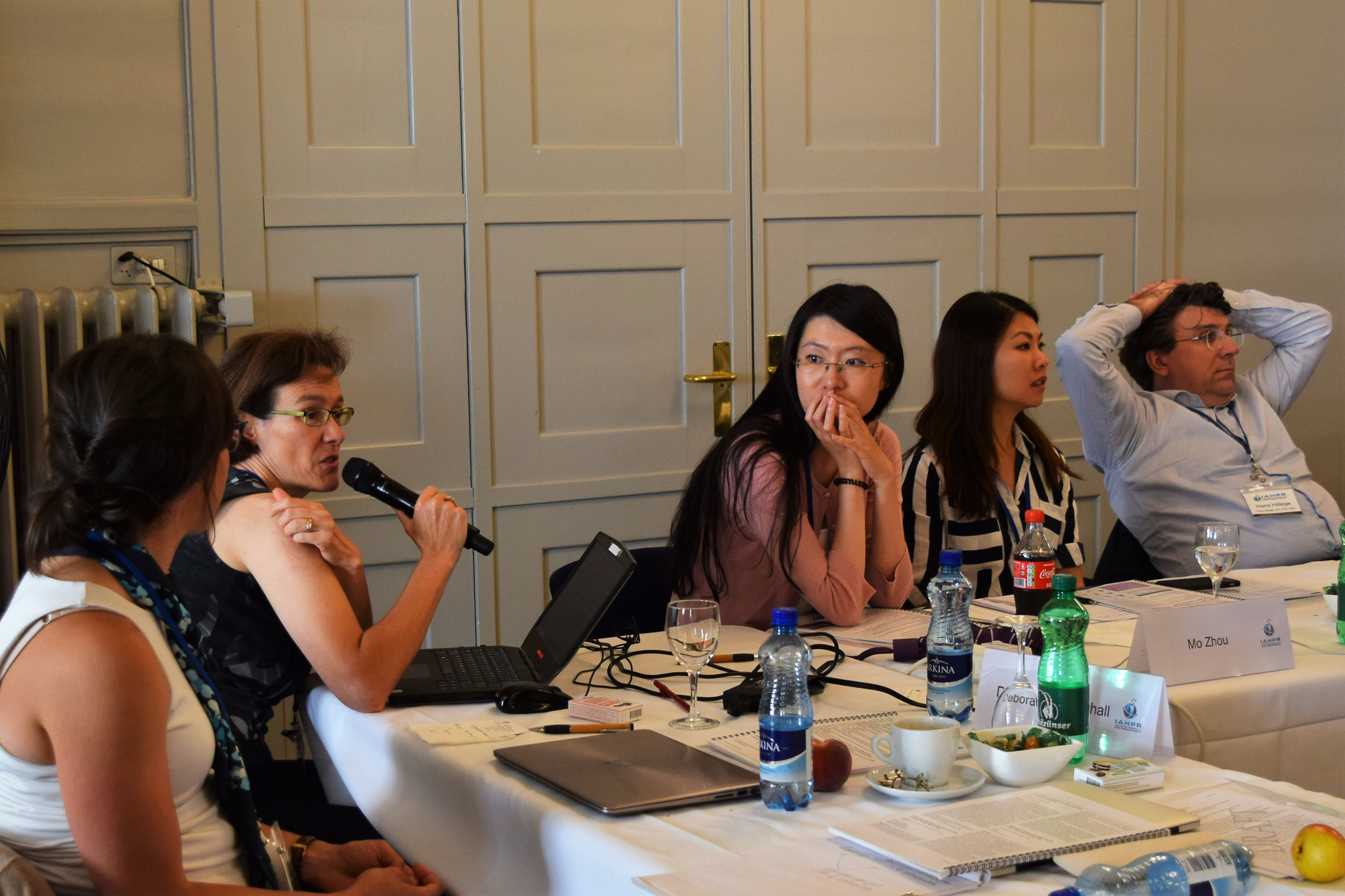
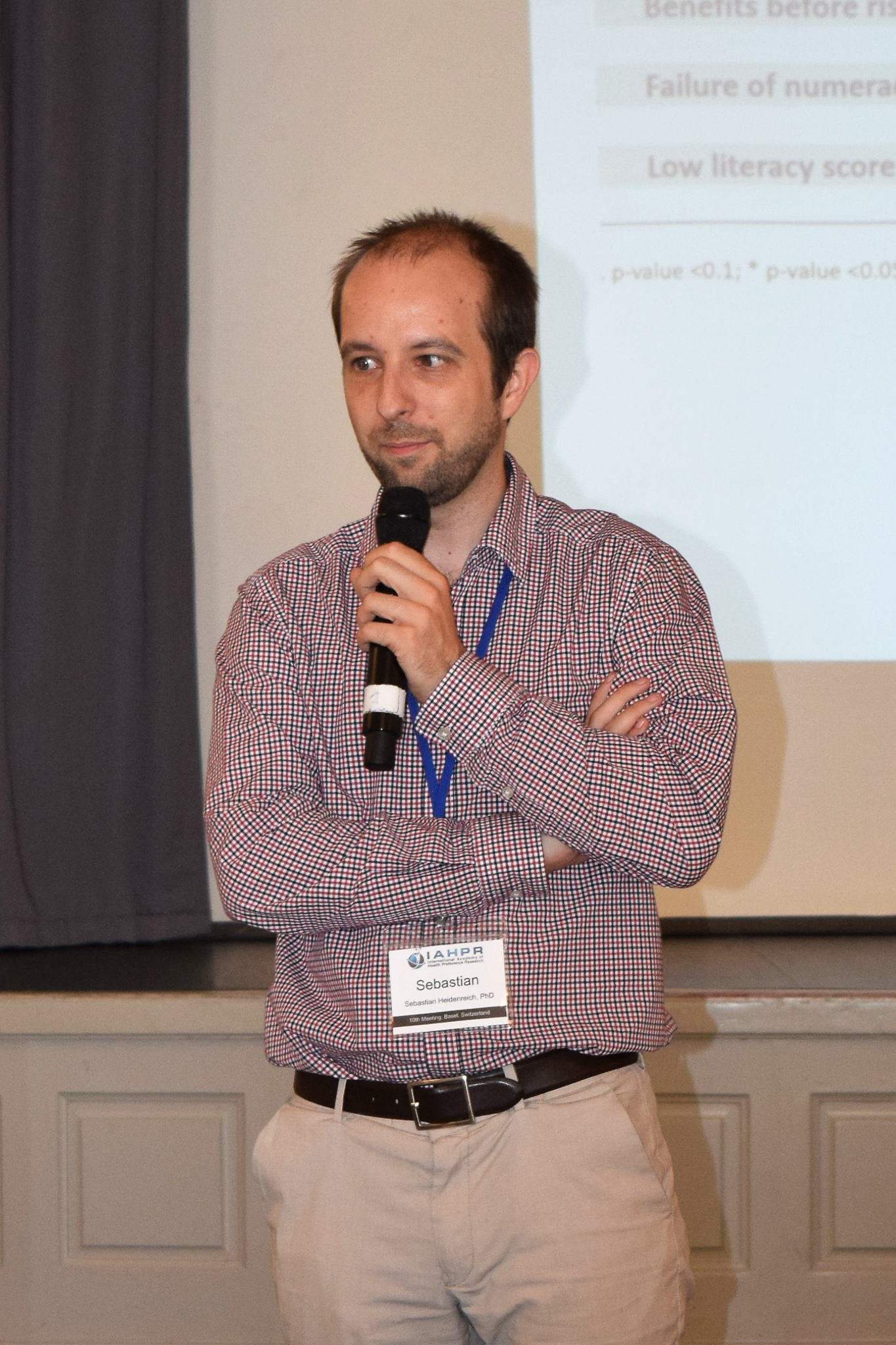
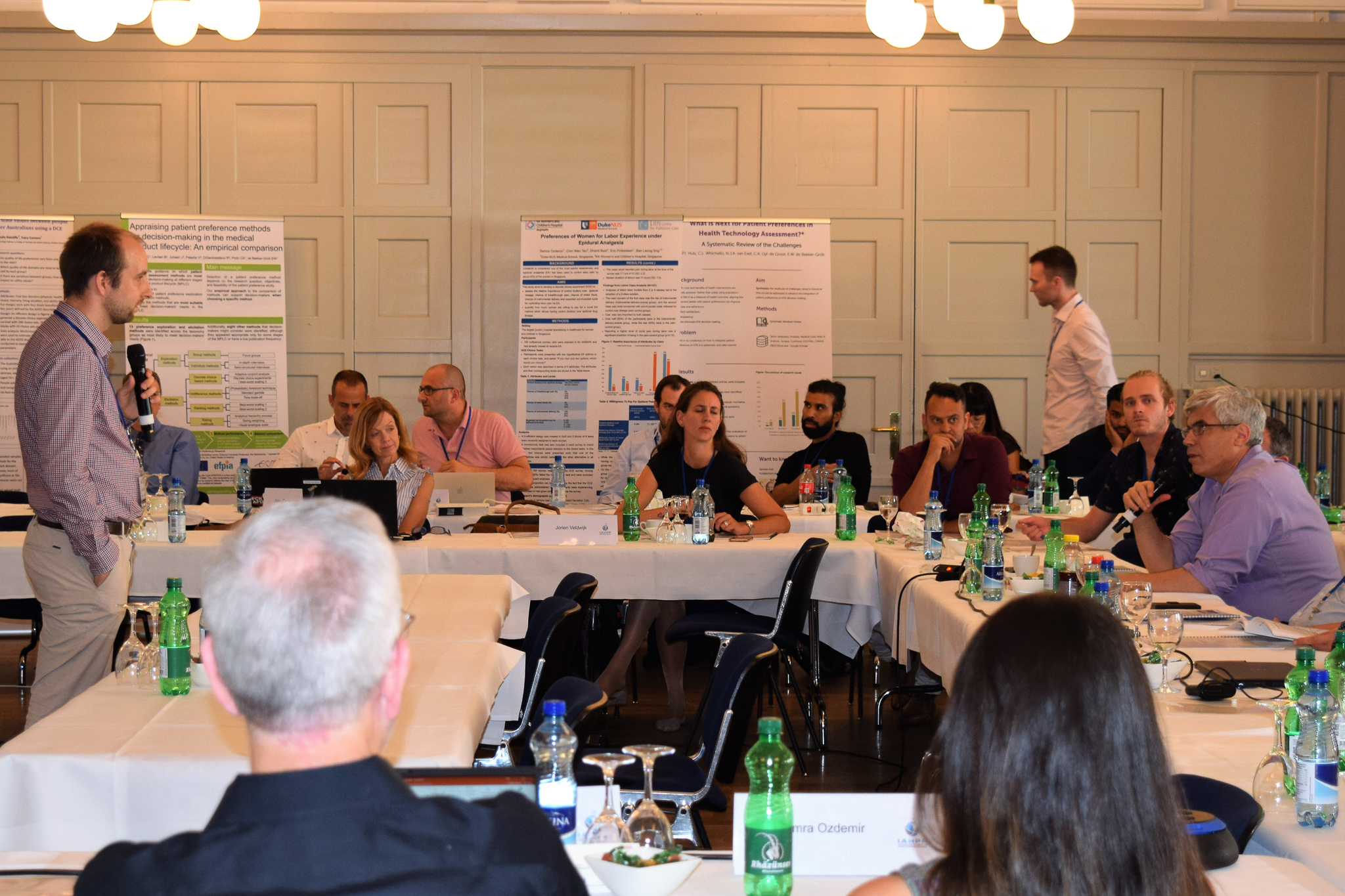
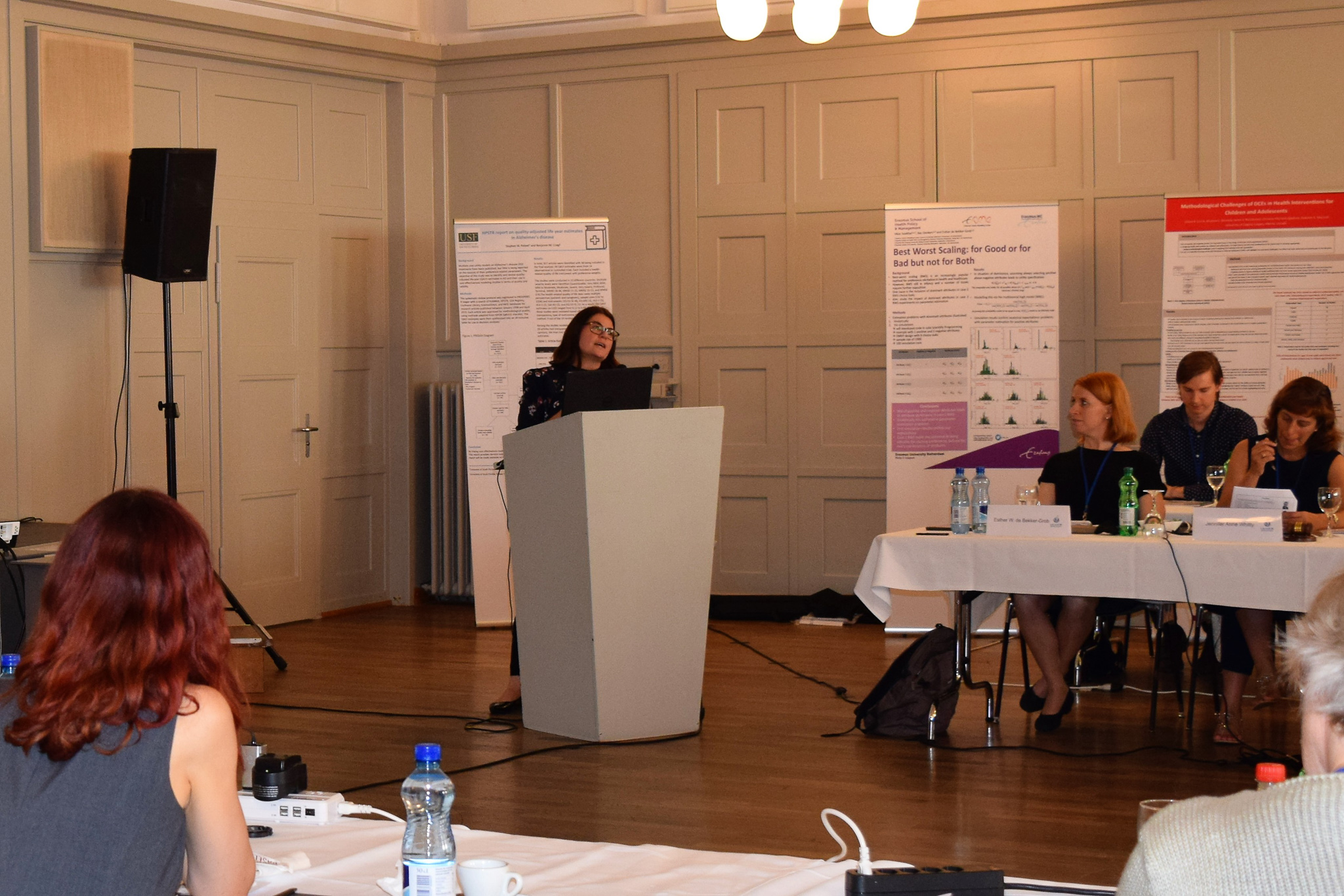
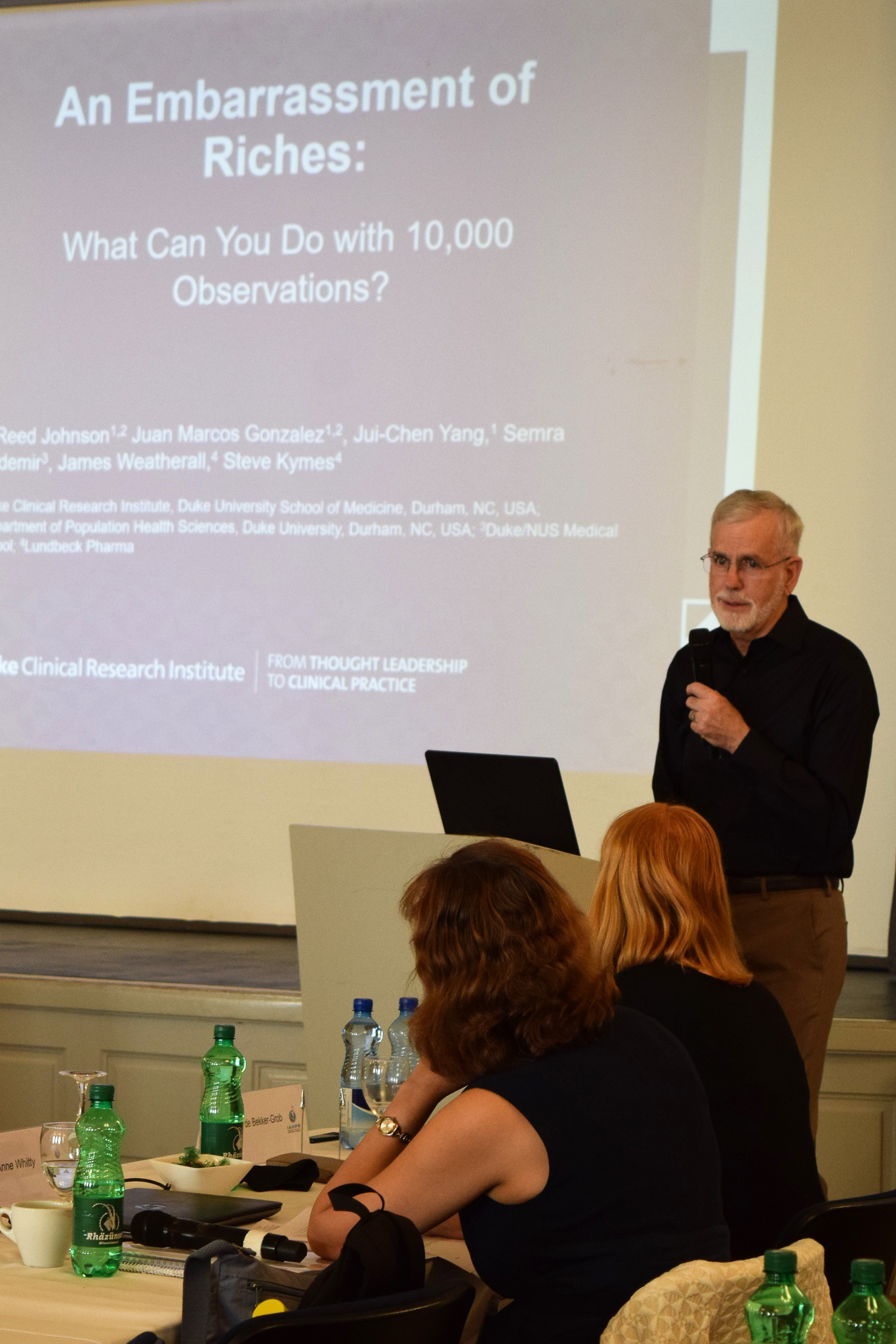
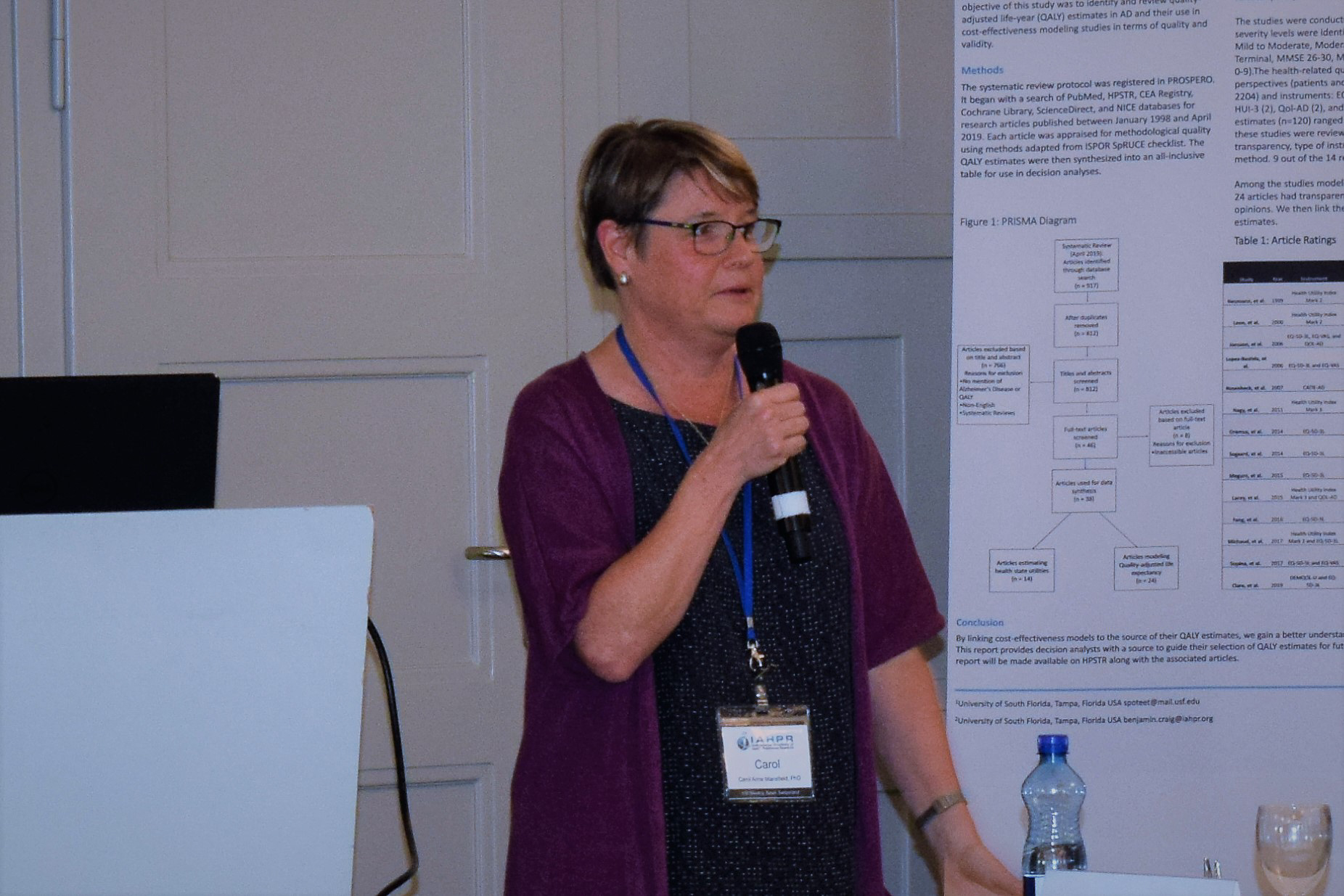
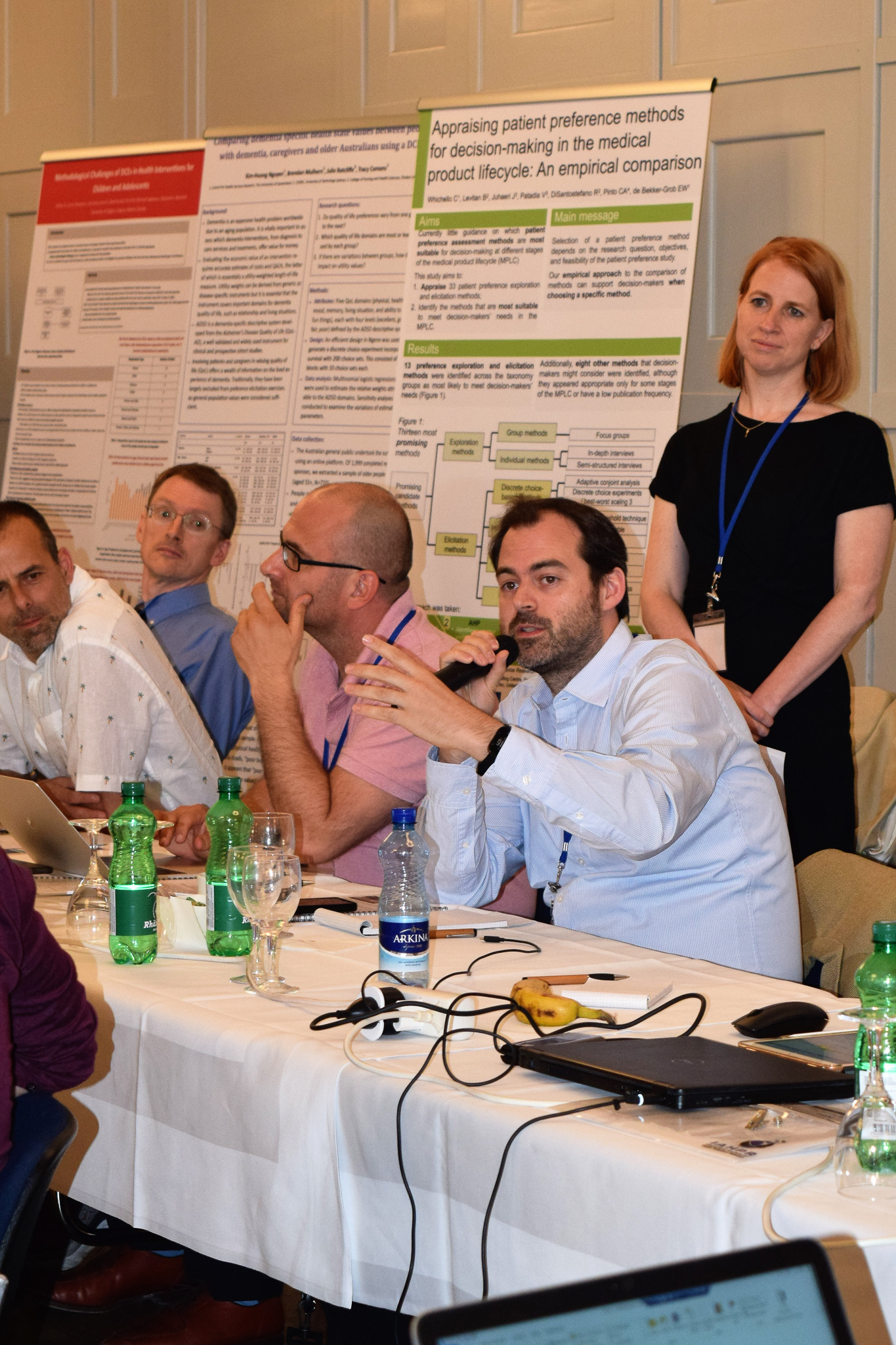
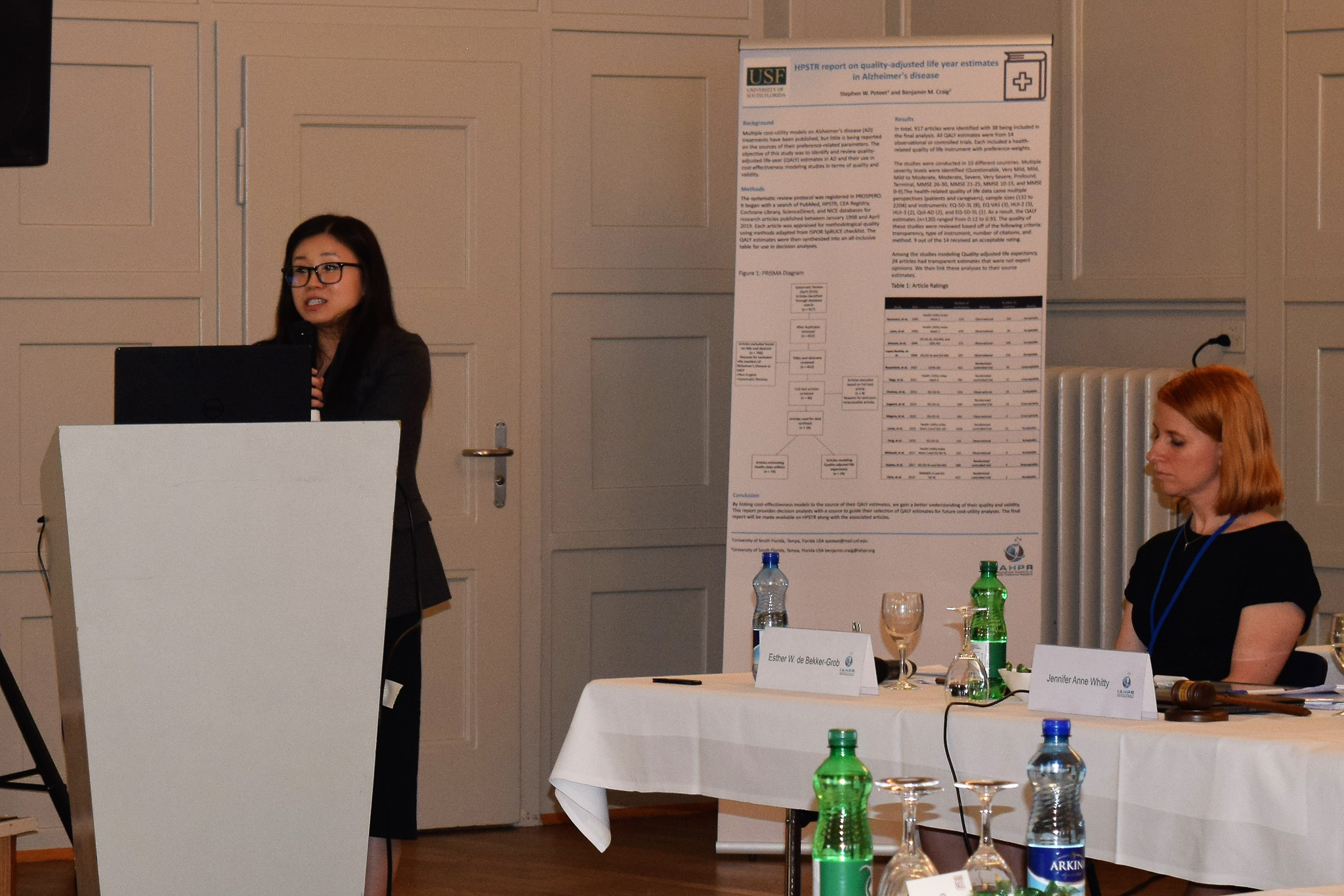
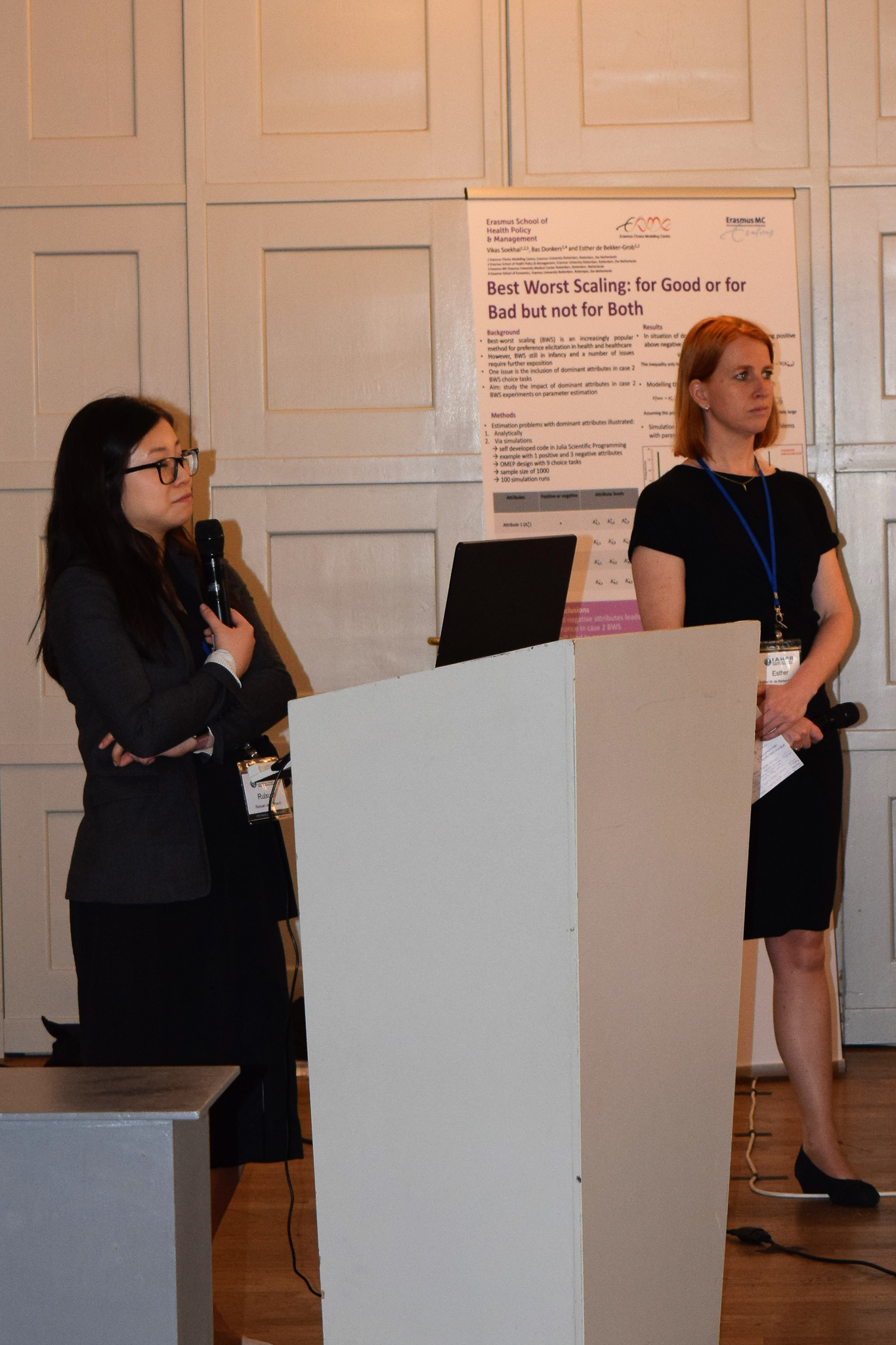
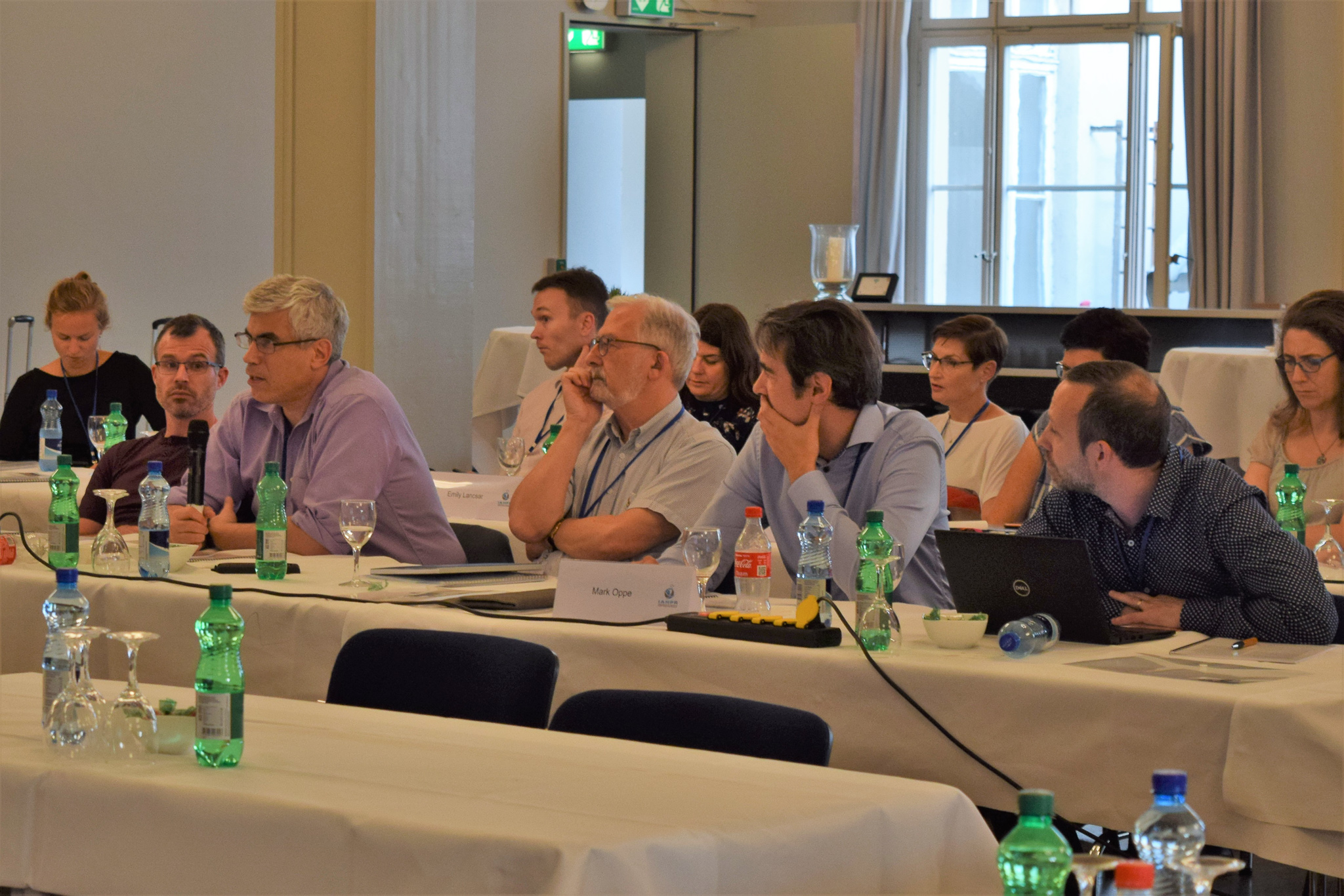
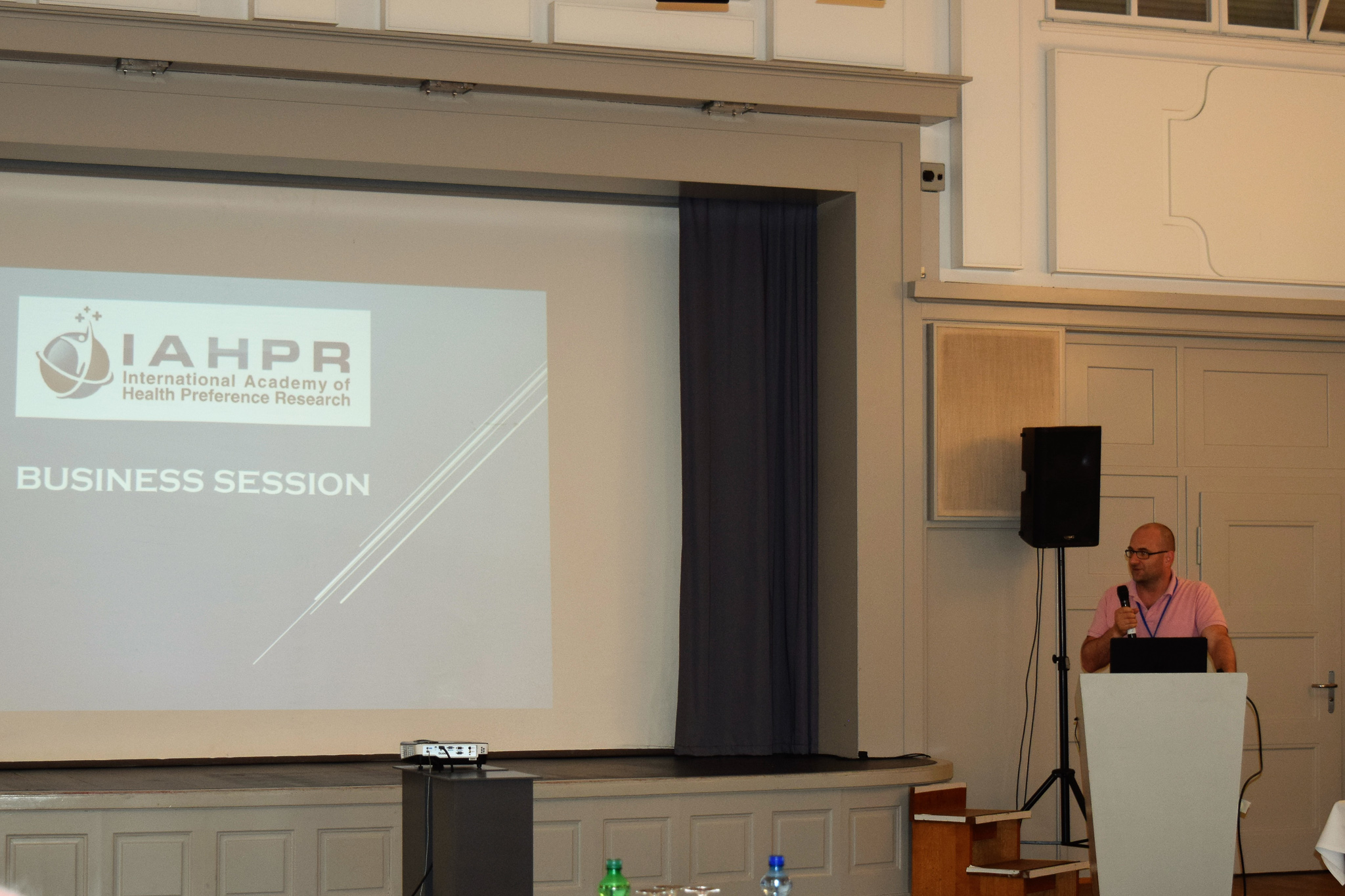
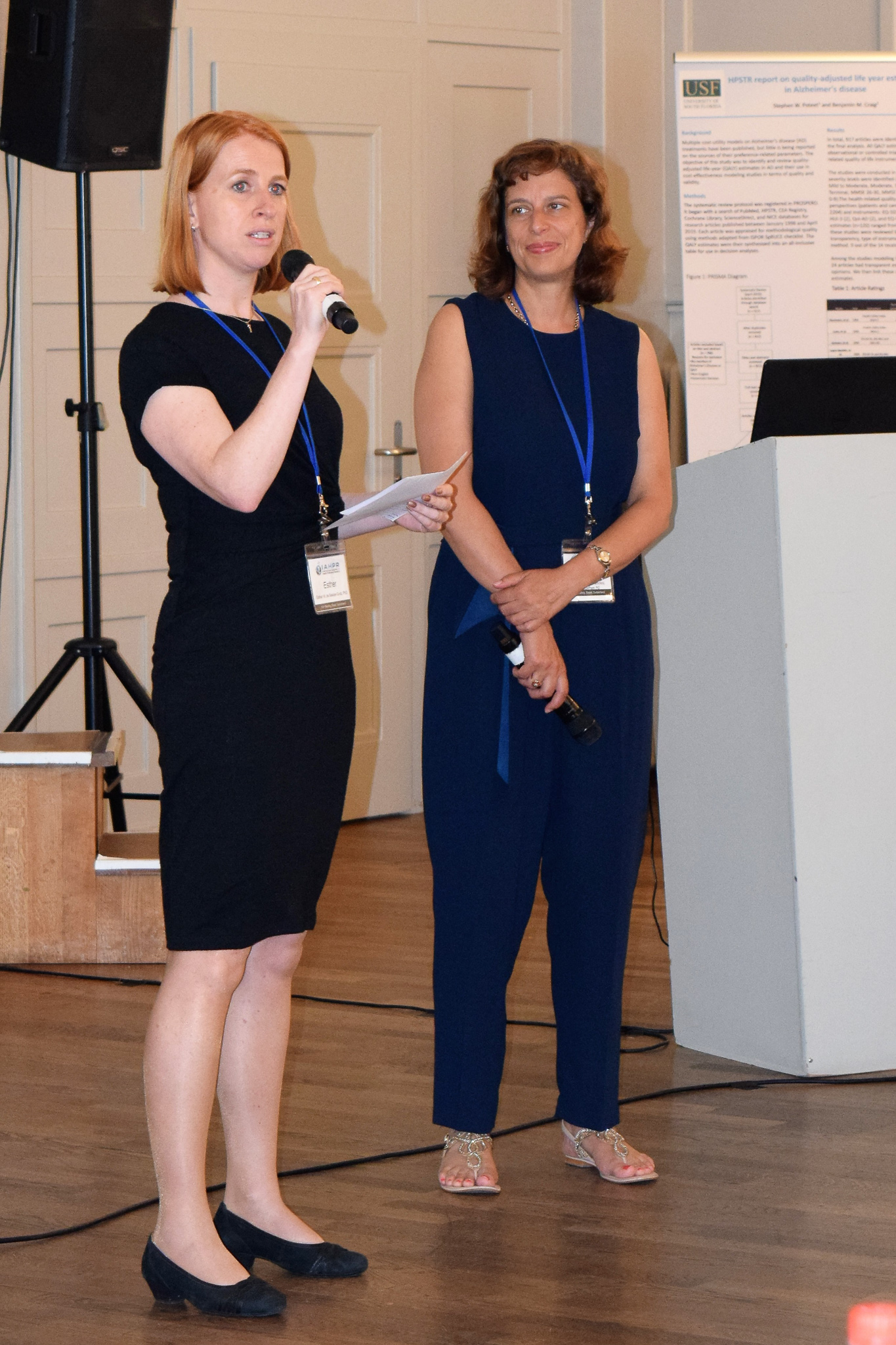
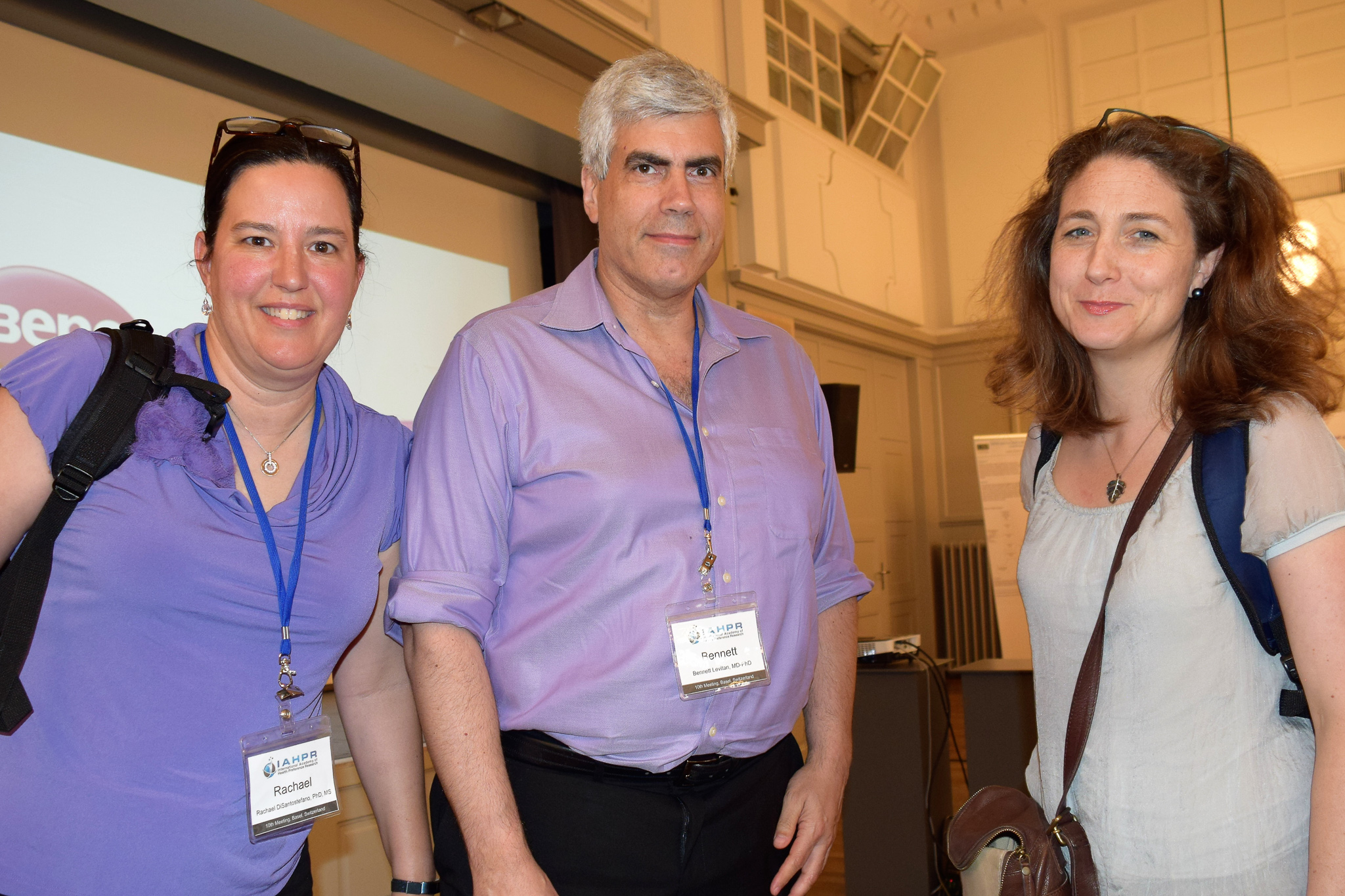
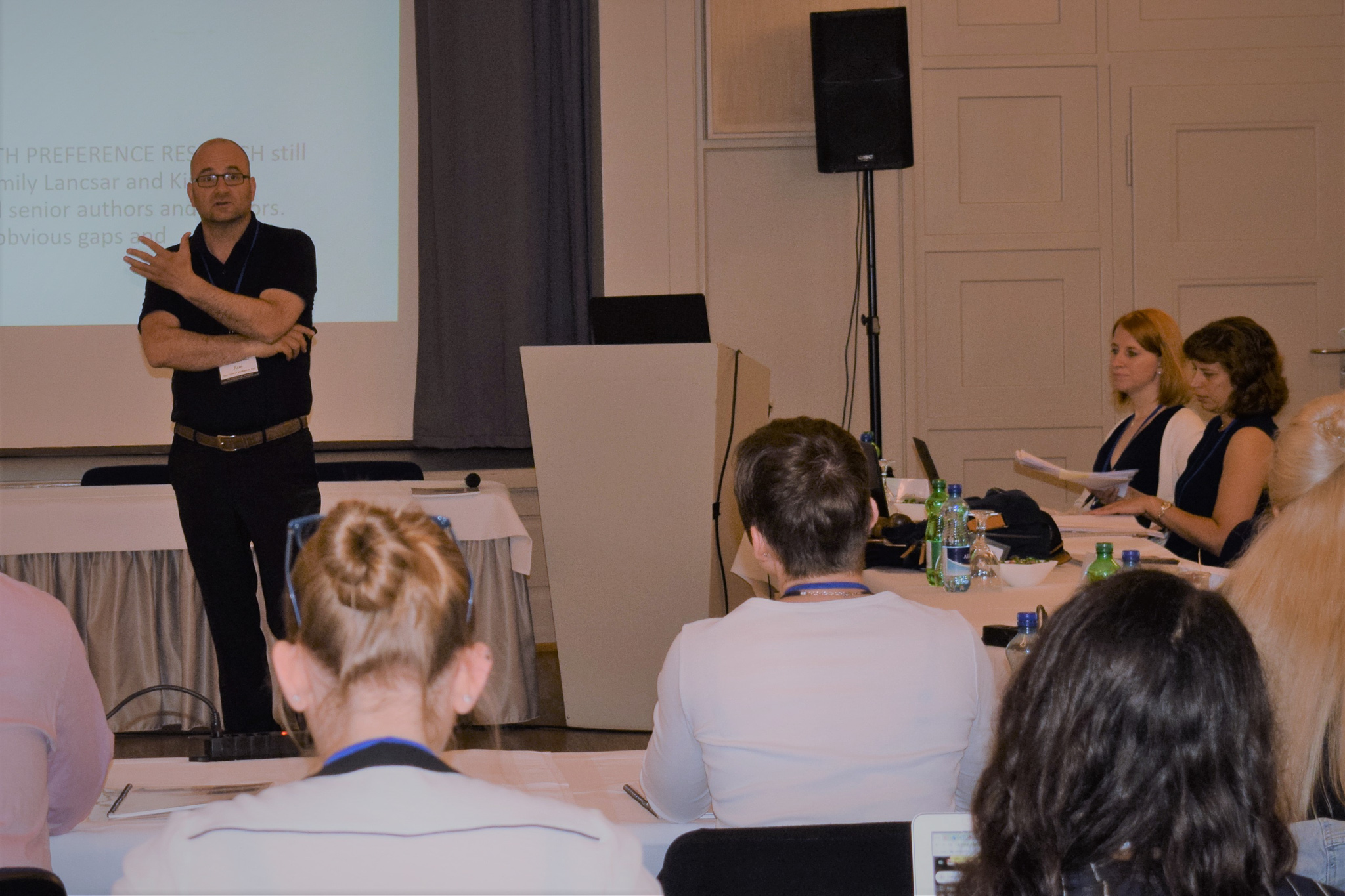
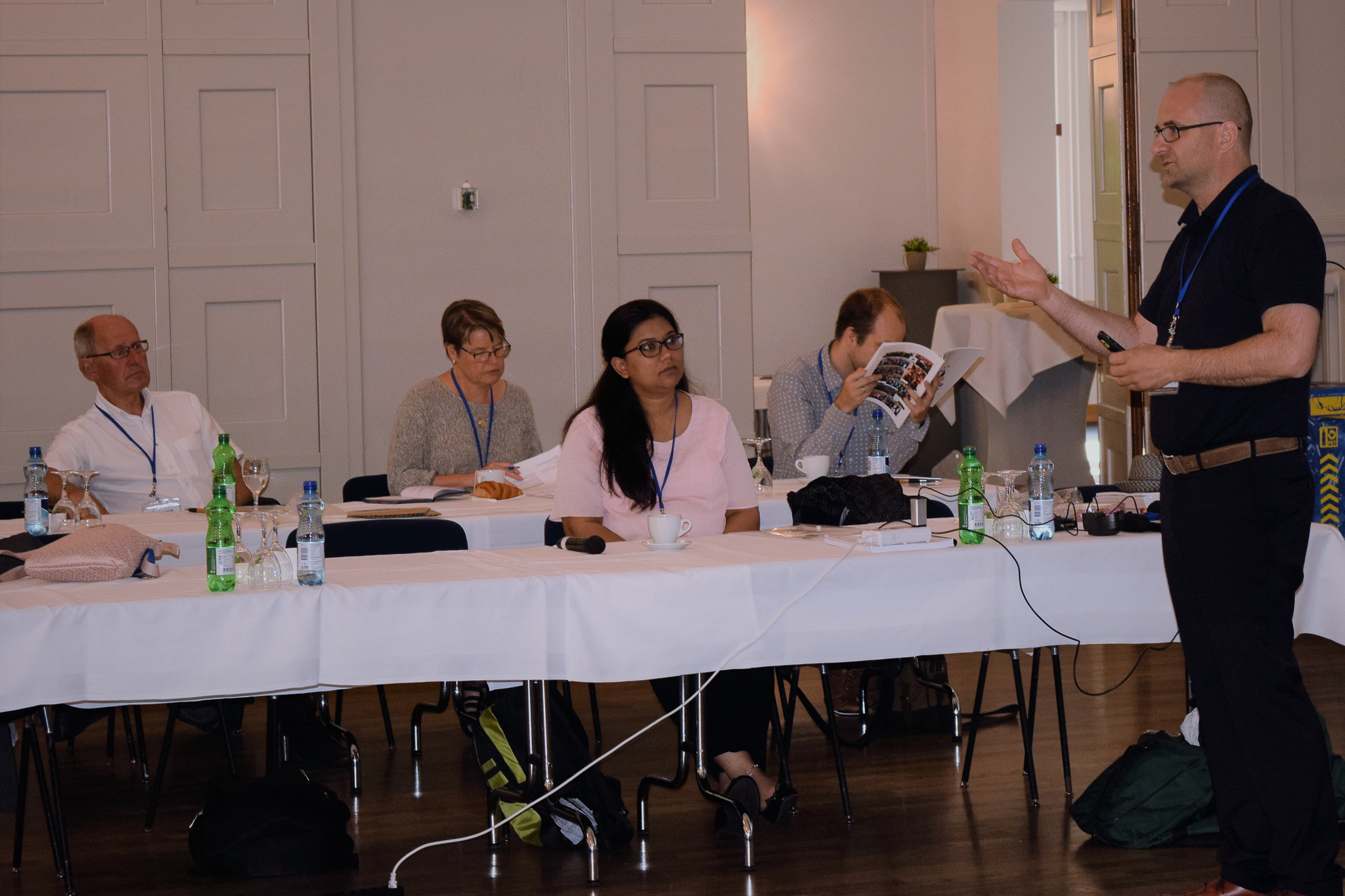
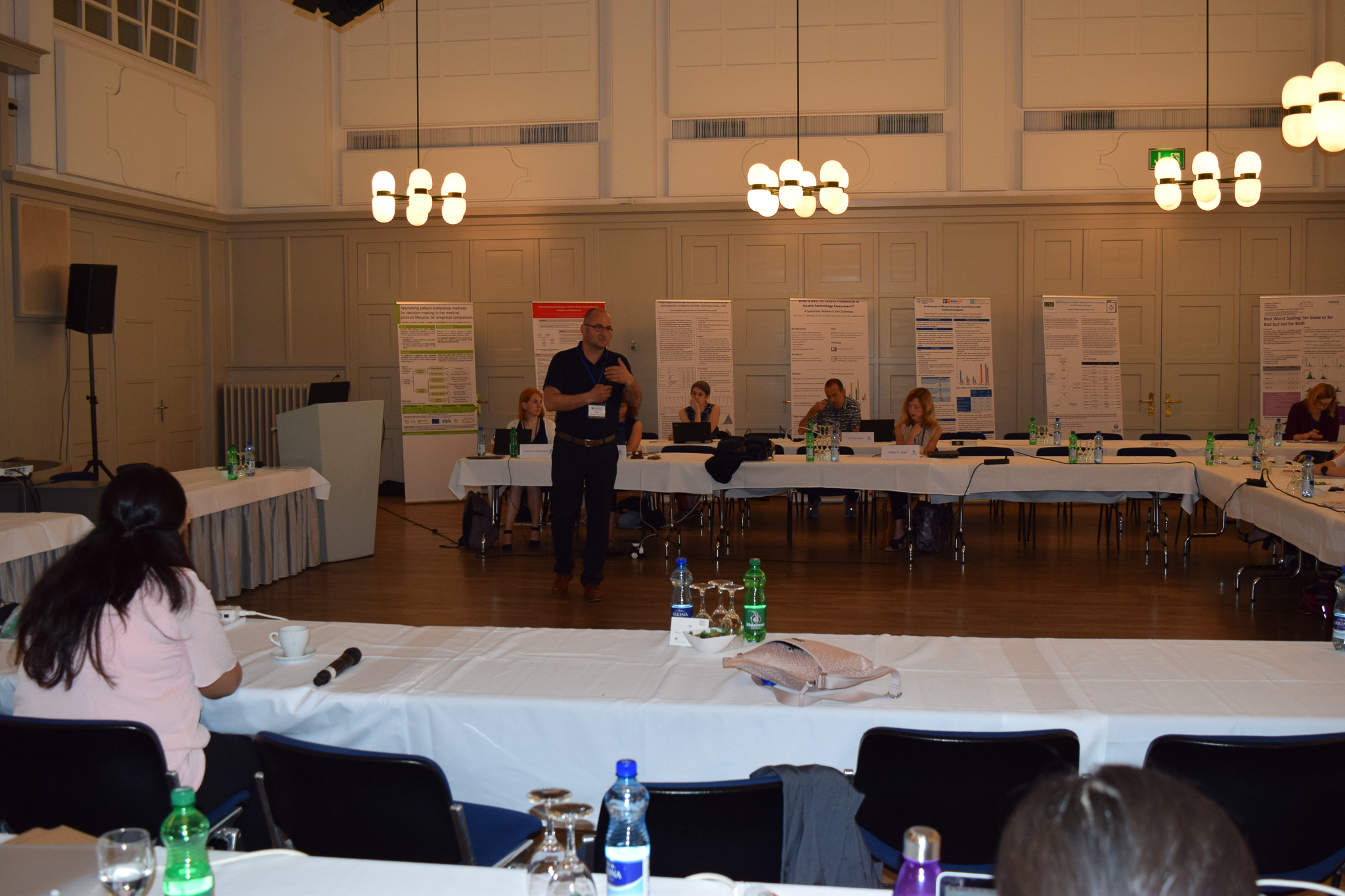
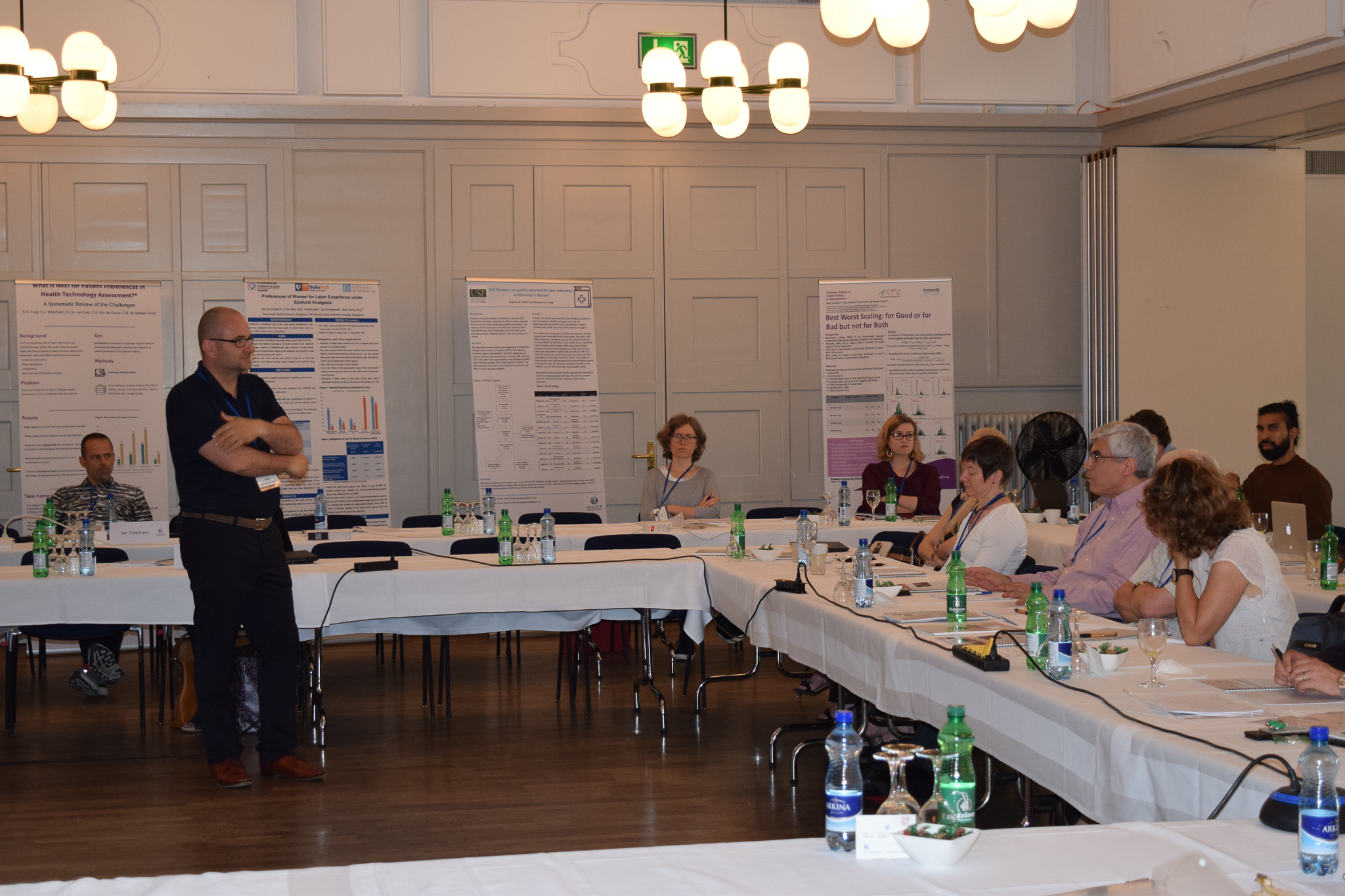
The 10th Meeting had 64 attendees from 14 countries: United States (19), Netherlands (12), Australia (8), Switzerland (5), United Kingdom (5), Canada (4), Germany (3), Spain (2), Belgium (1), France (1), New Zealand (1), Poland (1), Singapore (1), and Sweden (1). In terms of faculty-to-student ratio, the Academy had 17 tenured members and 15 students in attendance (i.e., 1 to 1 ratio). Many thanks to all who made this possible, particularly Esther W. de Bekker-Grob and Jennifer A. Whitty, who chaired the meeting, as well as Axel C. Mühlbacher, who led the workshop.

The 9th Meeting was a Great Success!

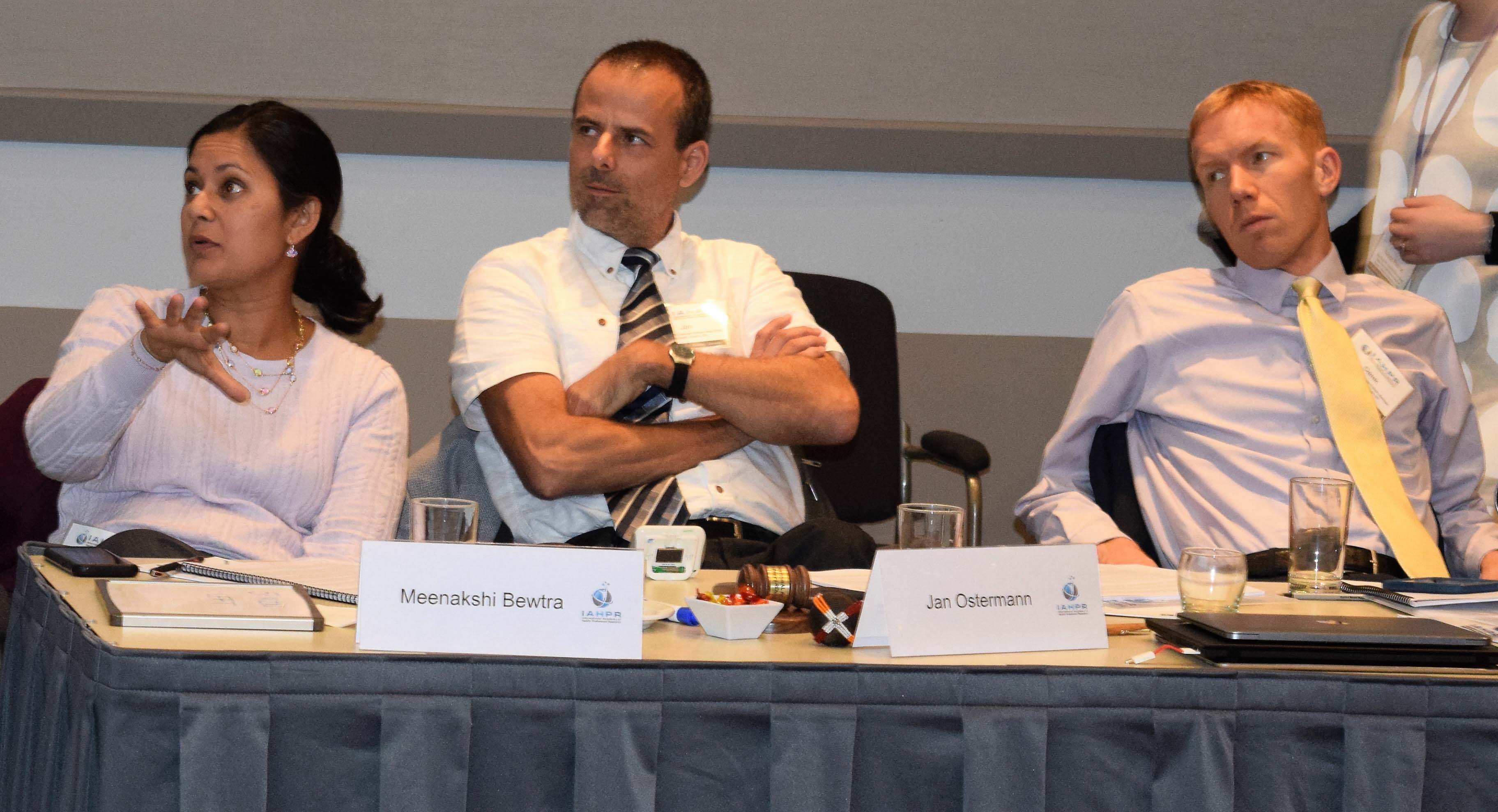
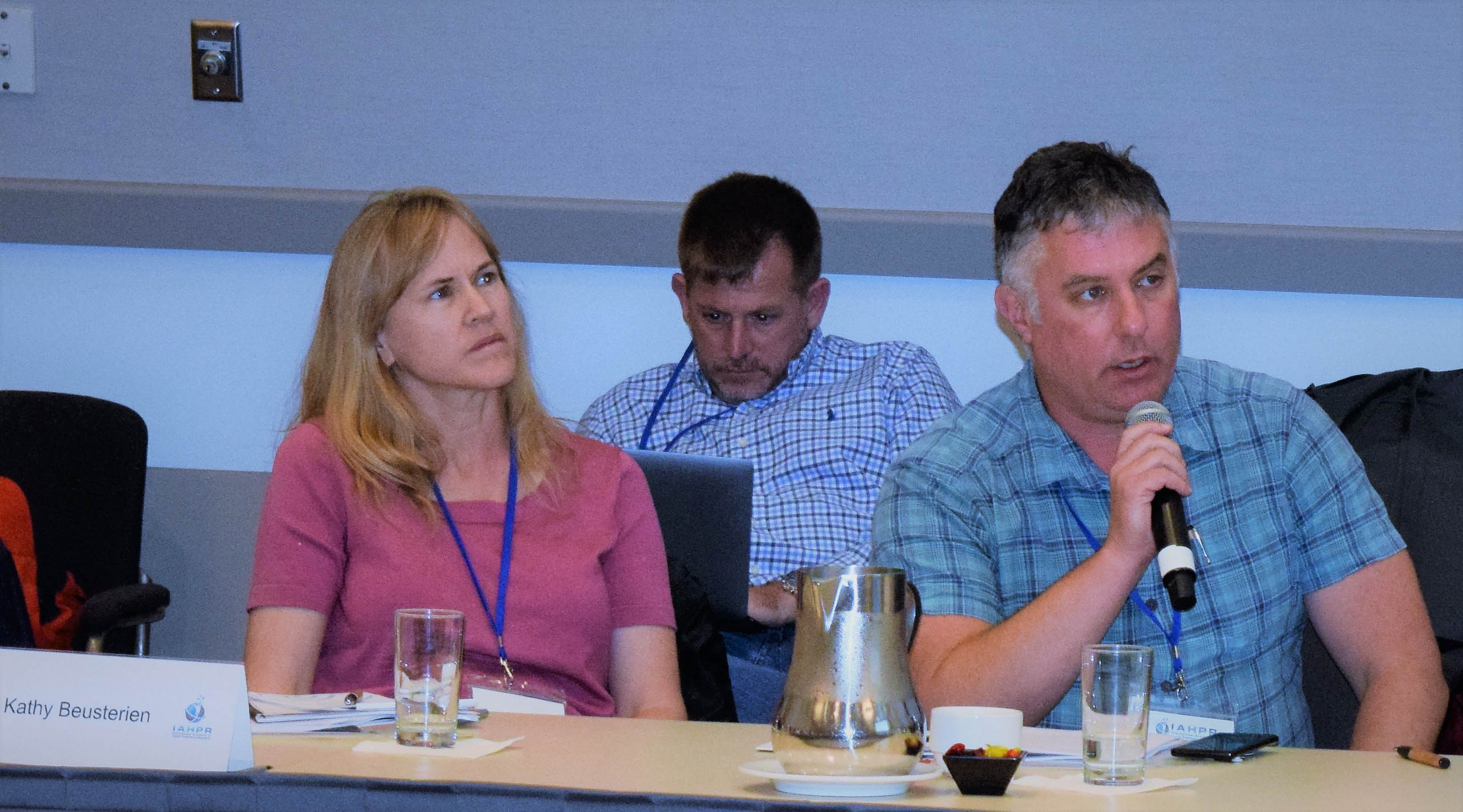
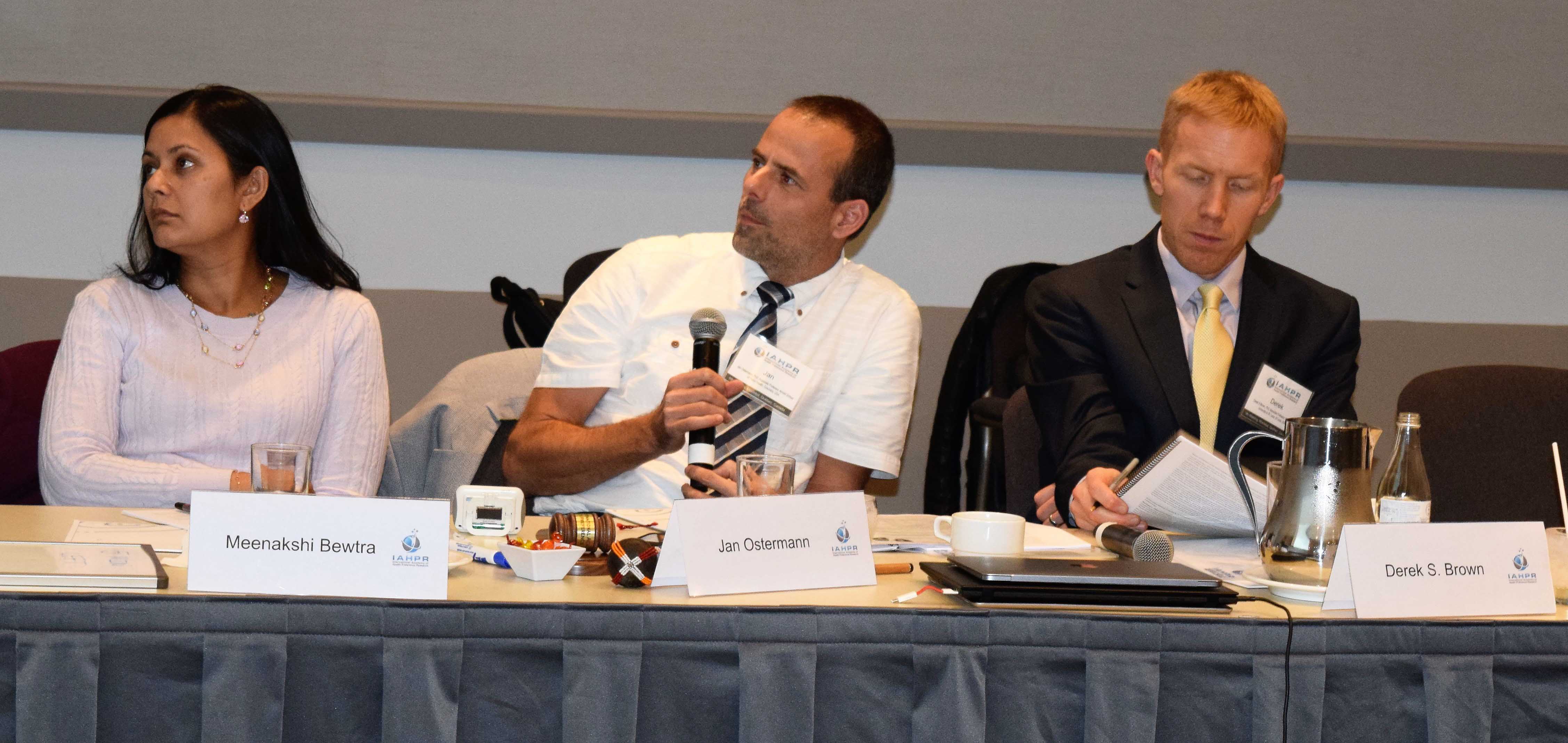
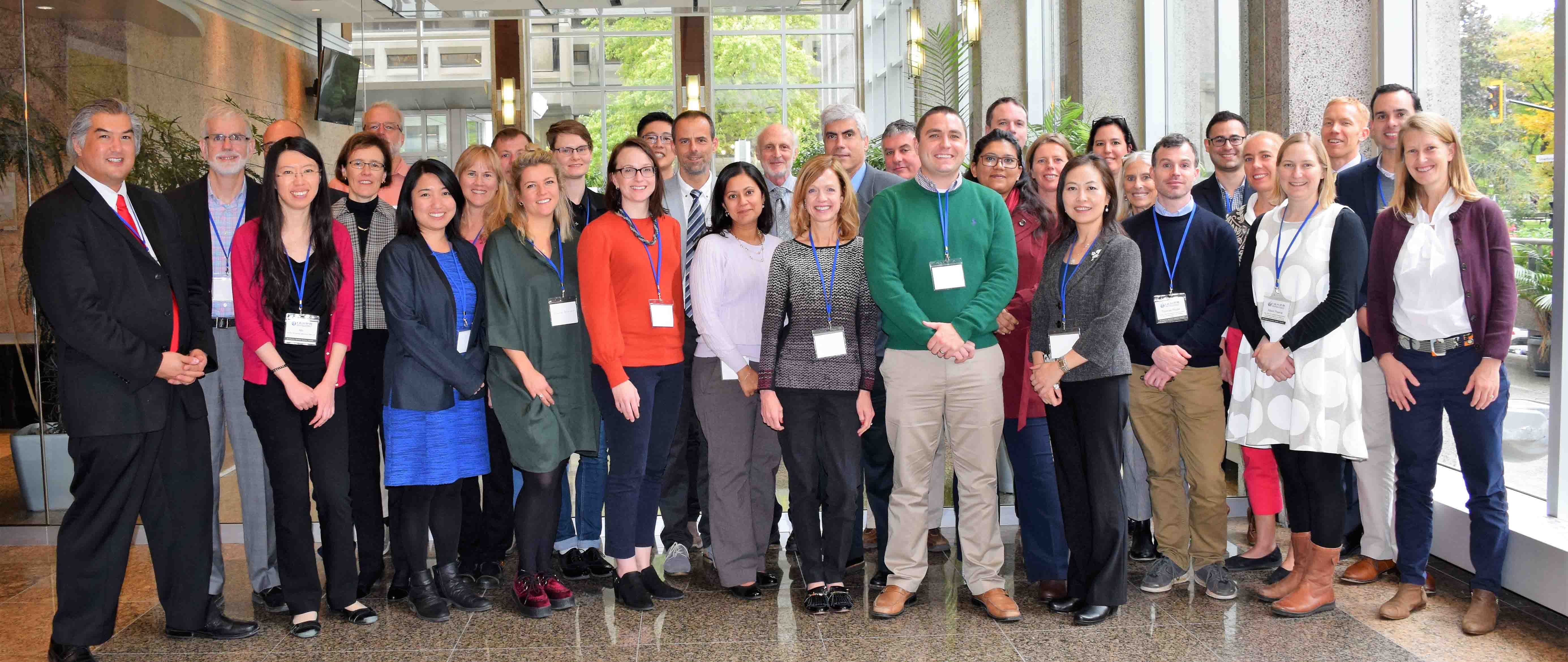
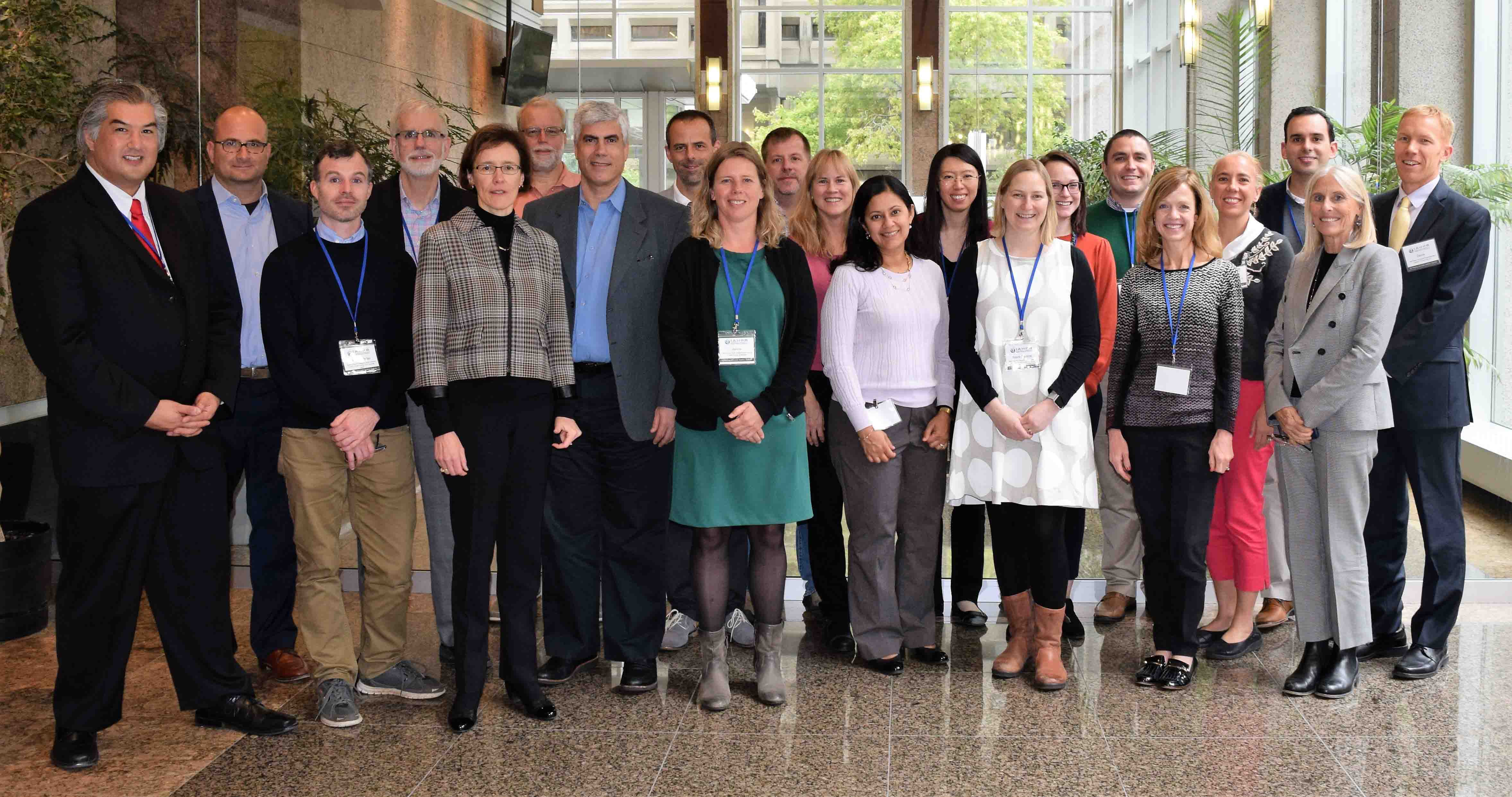
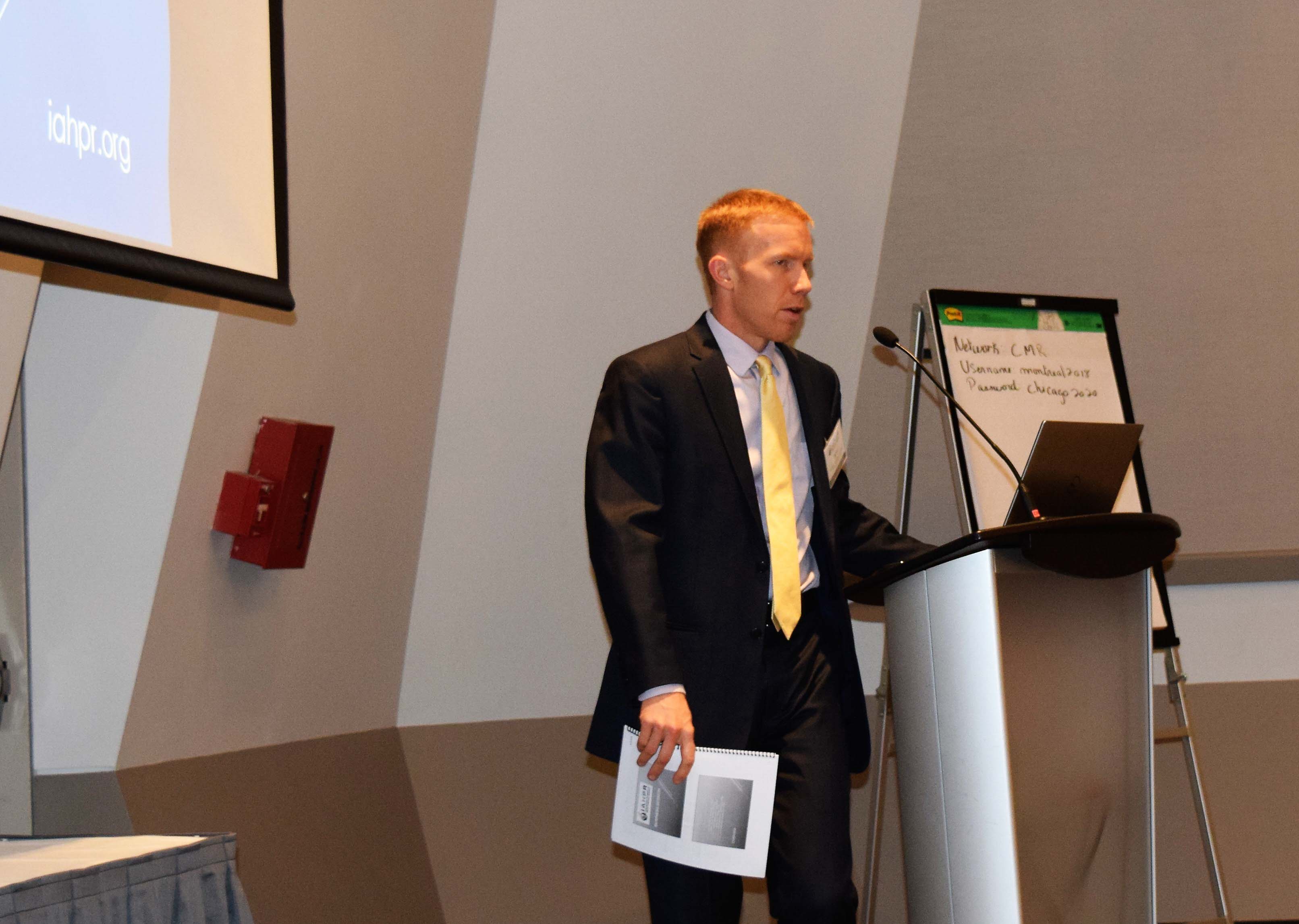
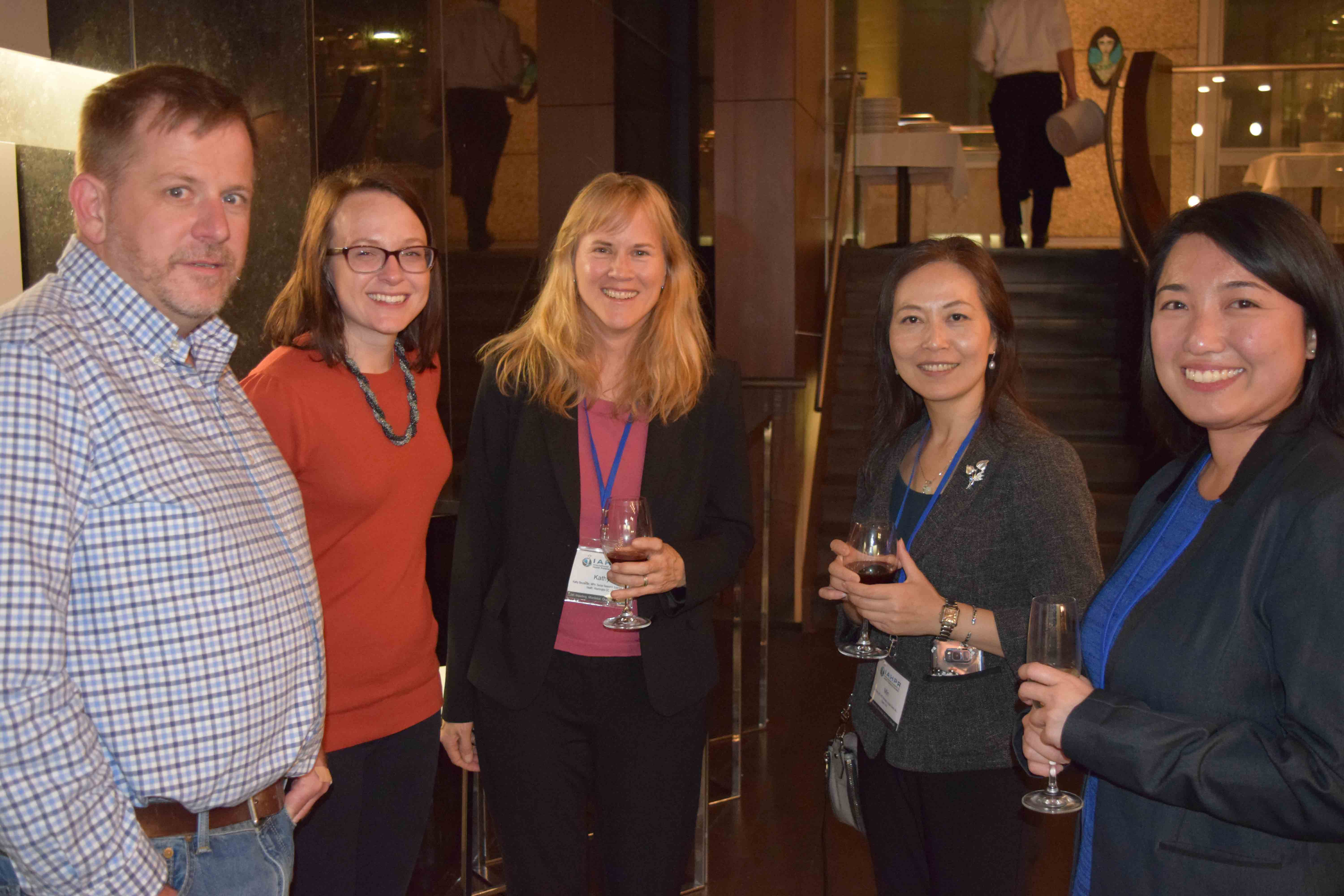
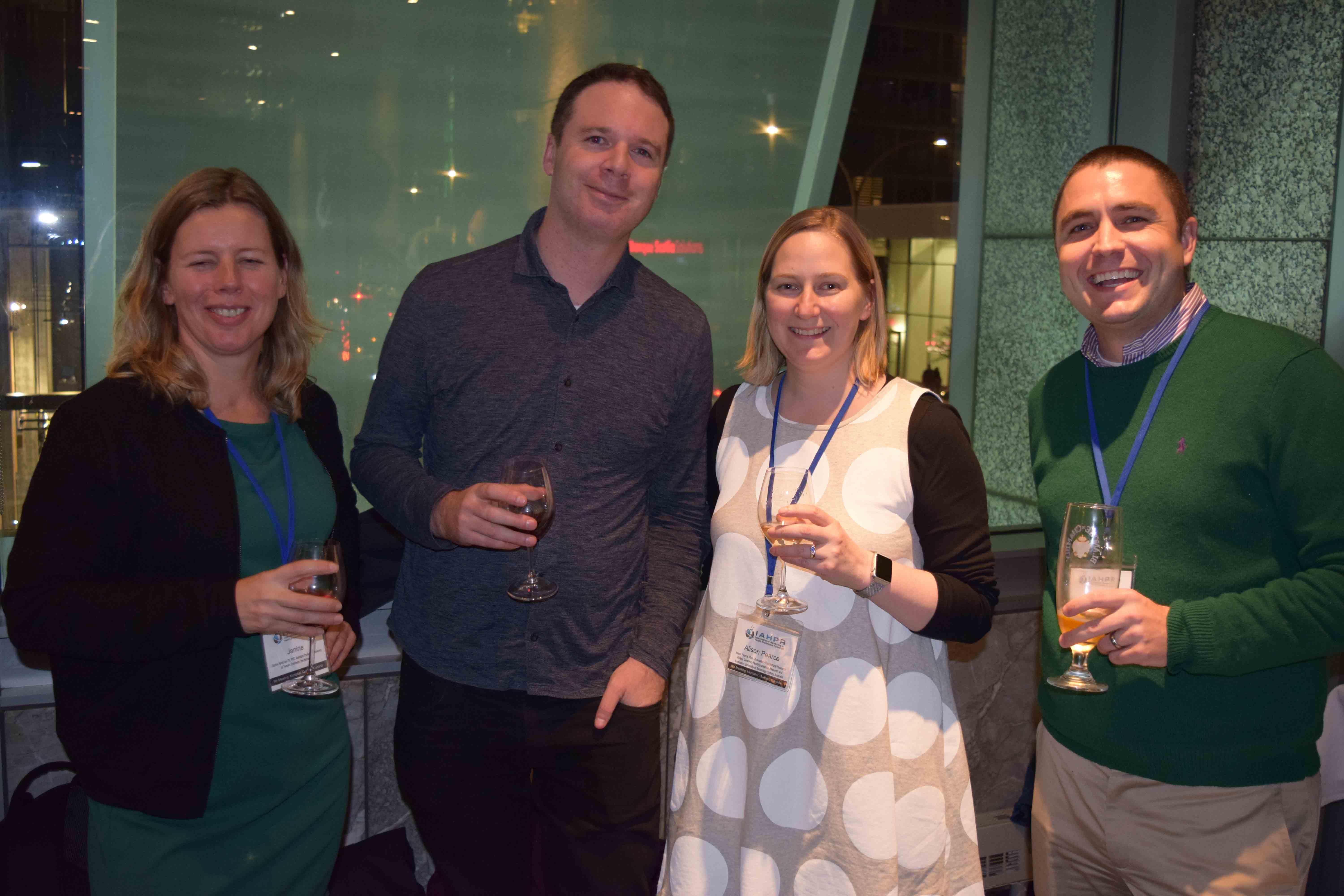
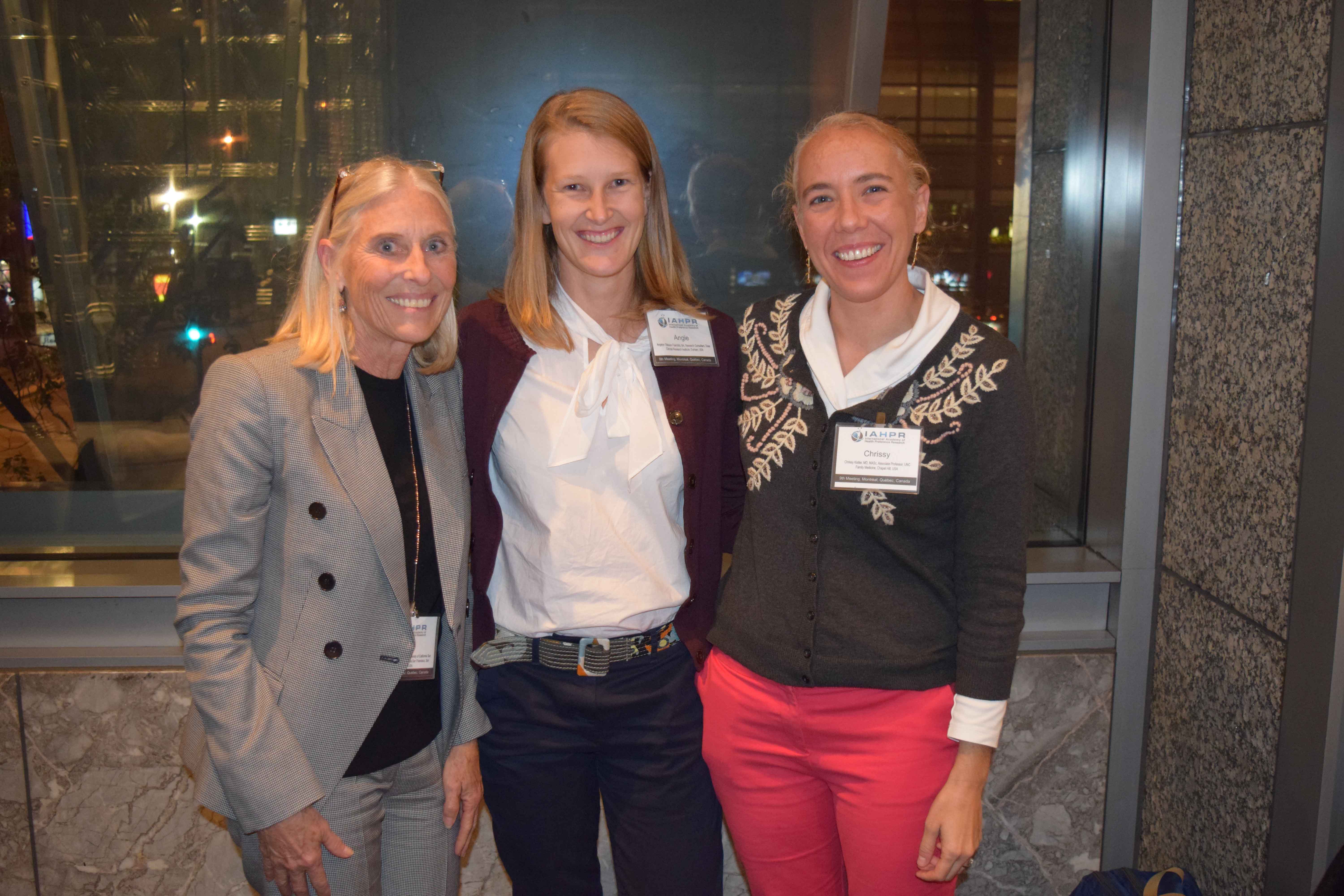
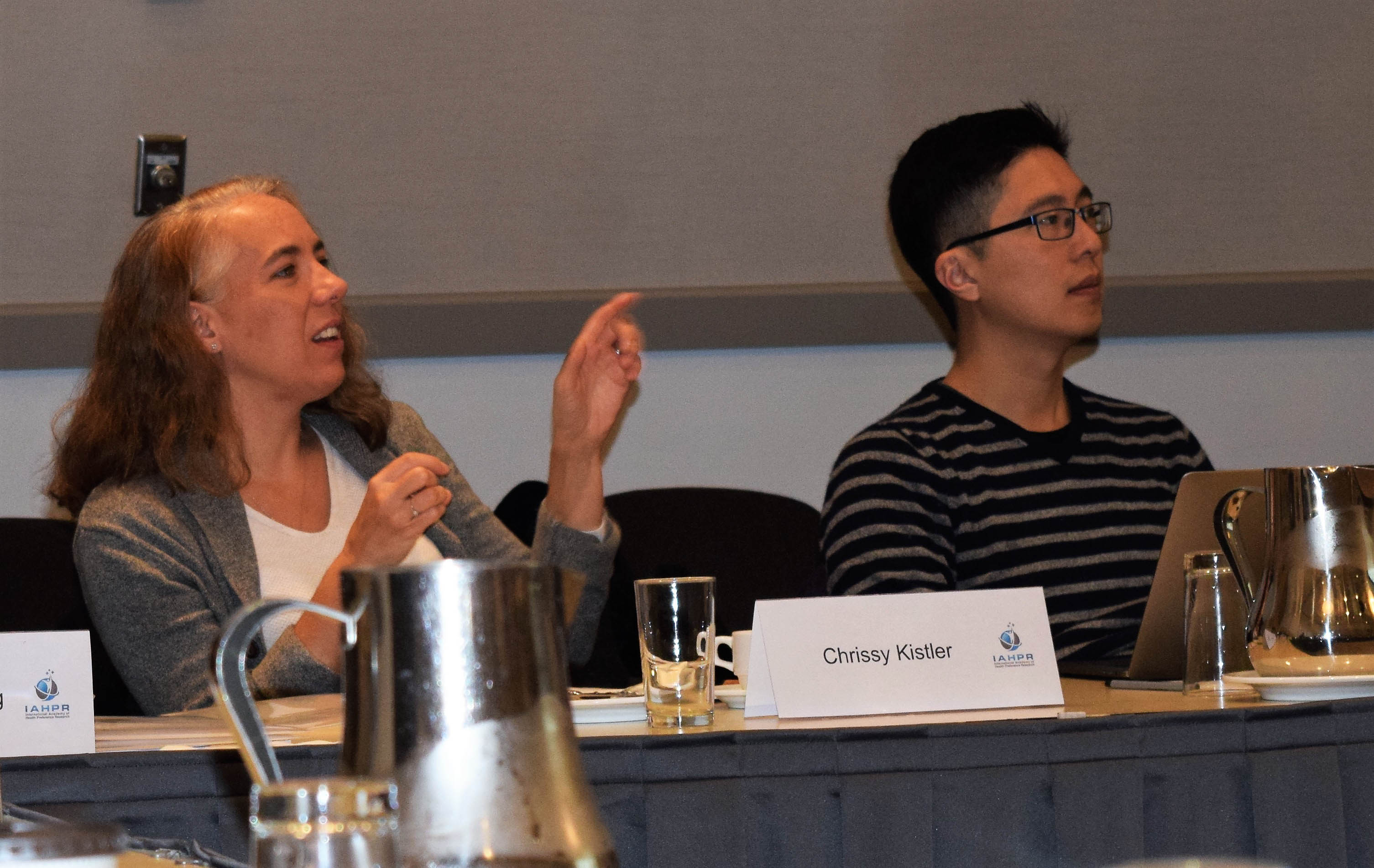
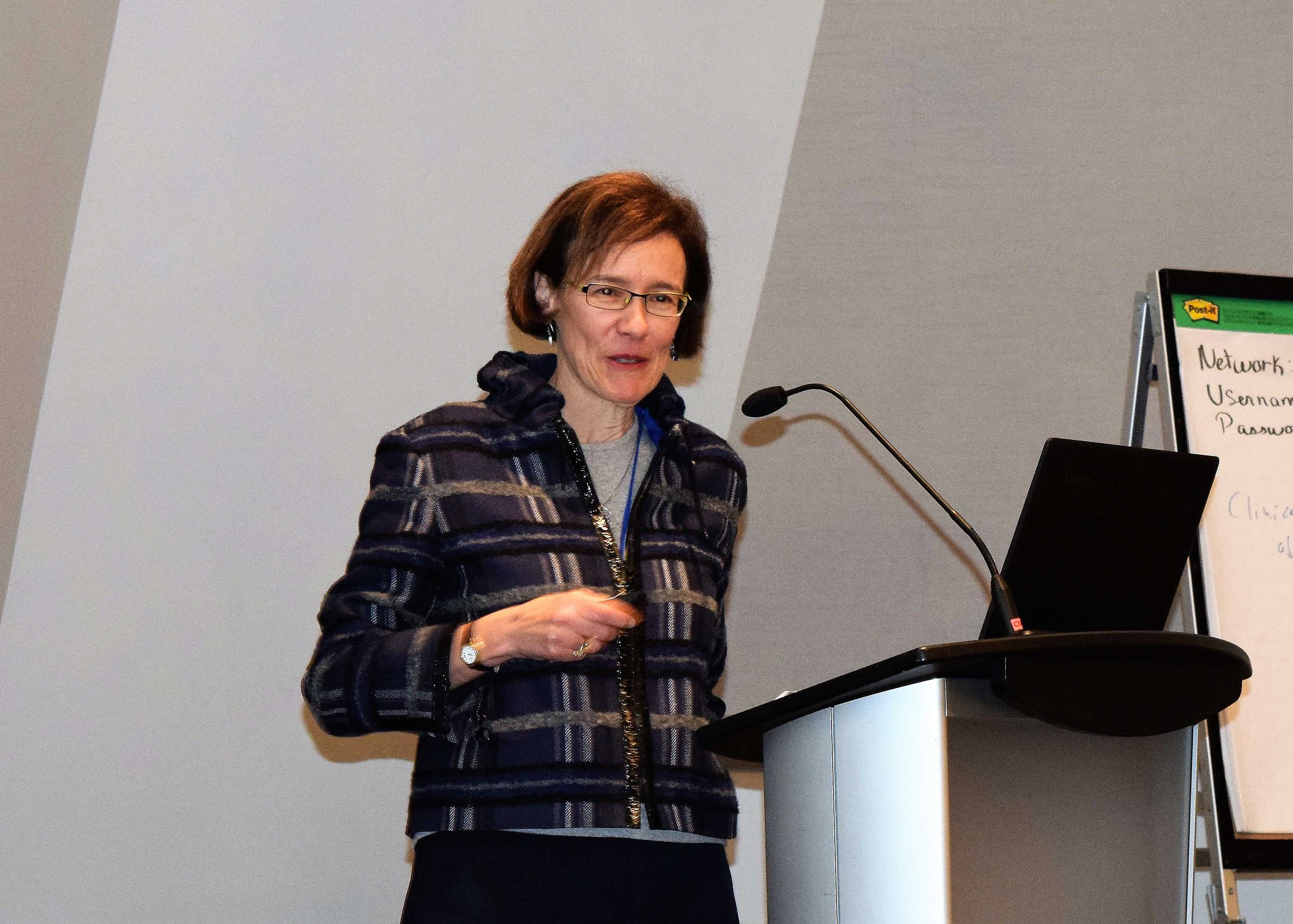
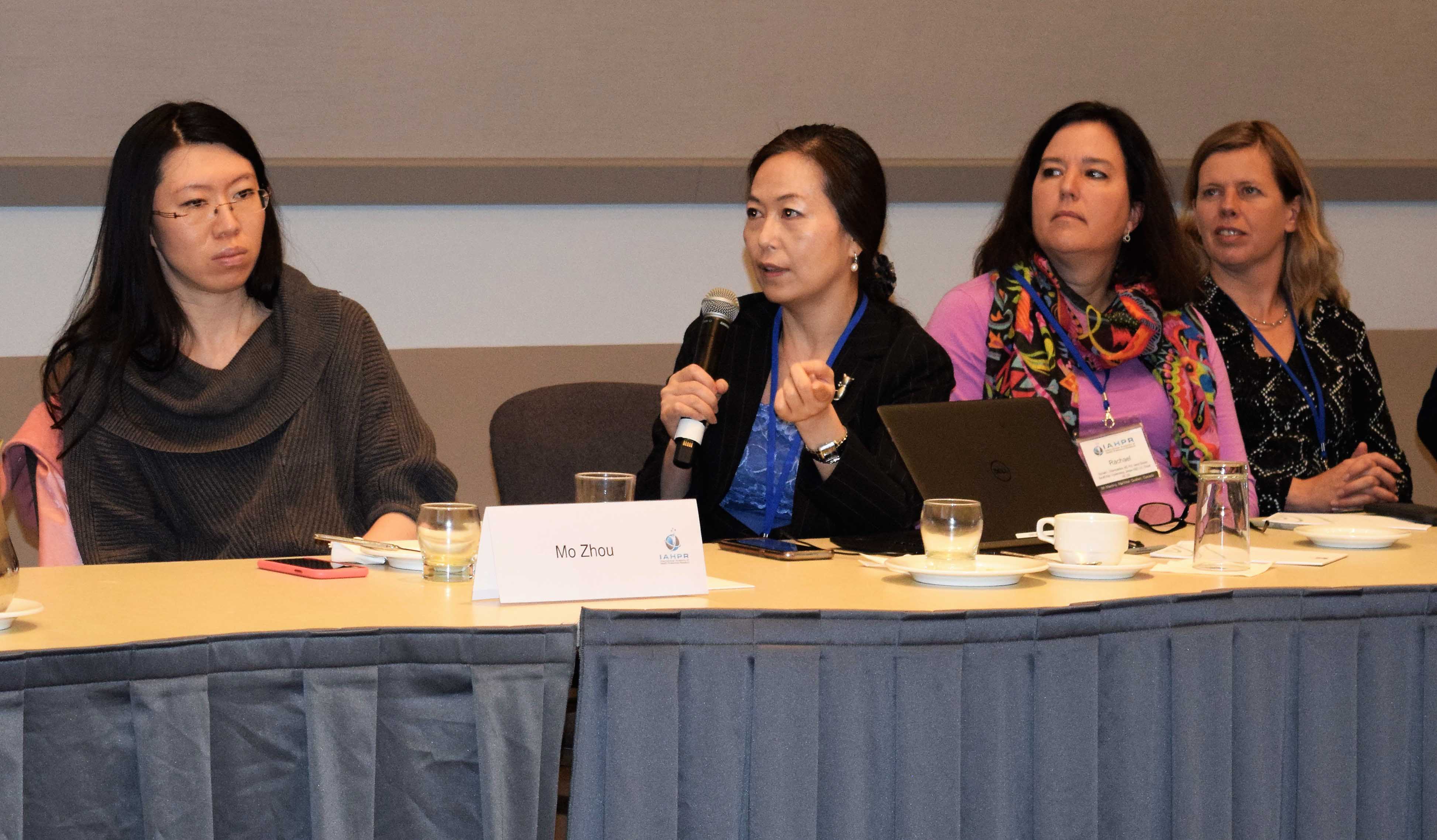
The 9th Meeting had 34 attendees from 6 countries: United States (23), Canada (4), United Kingdom (2), Australia (2), Germany (1) and the Netherlands (1). In terms of faculty-to-student ratio, the Academy had 16 tenured members and 5 students in attendance (i.e., 3 to 1 ratio). Many thanks to all who made this possible, particularly Meenakshi Bewtra and Jan Ostermann, who chaired the meeting.

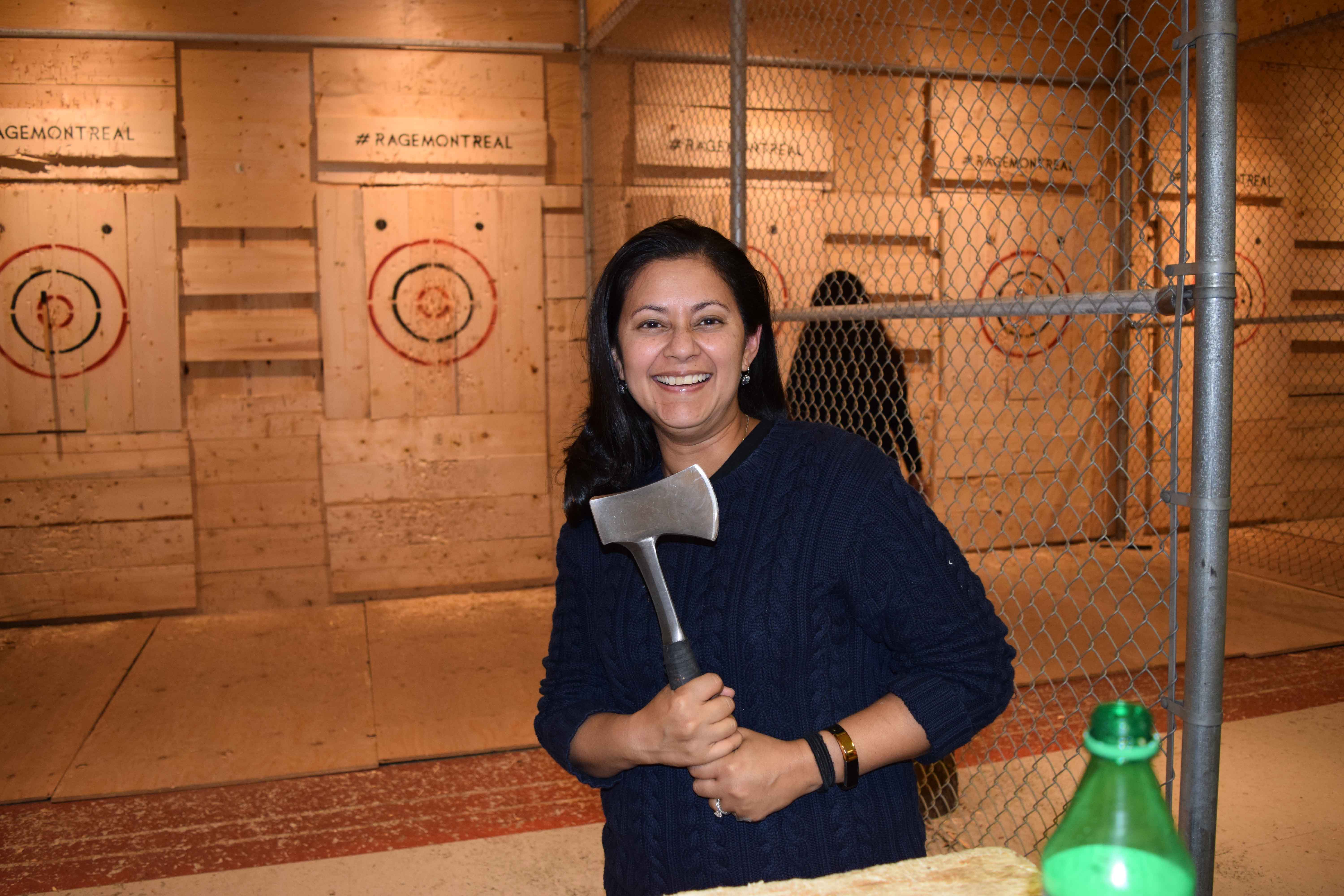
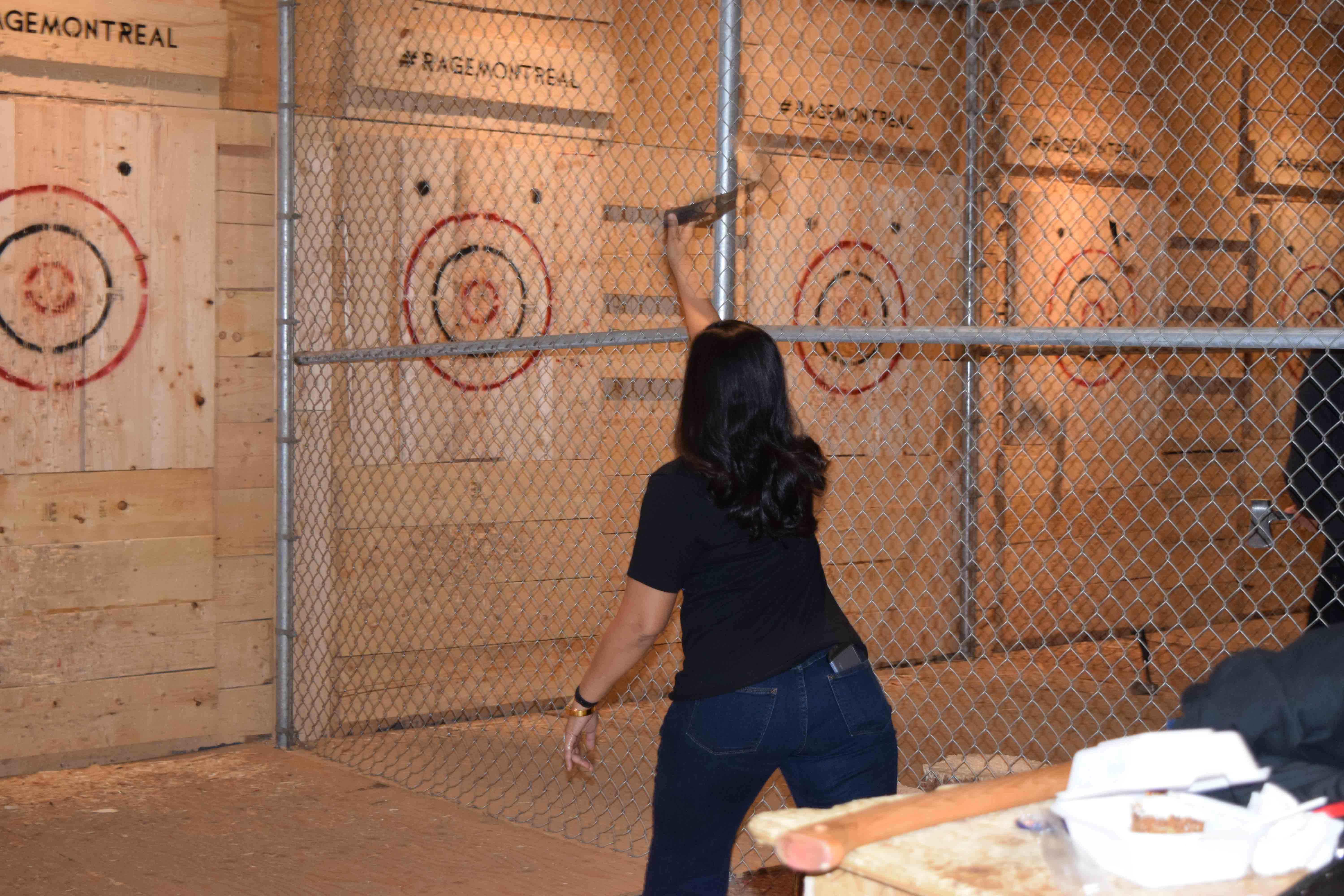
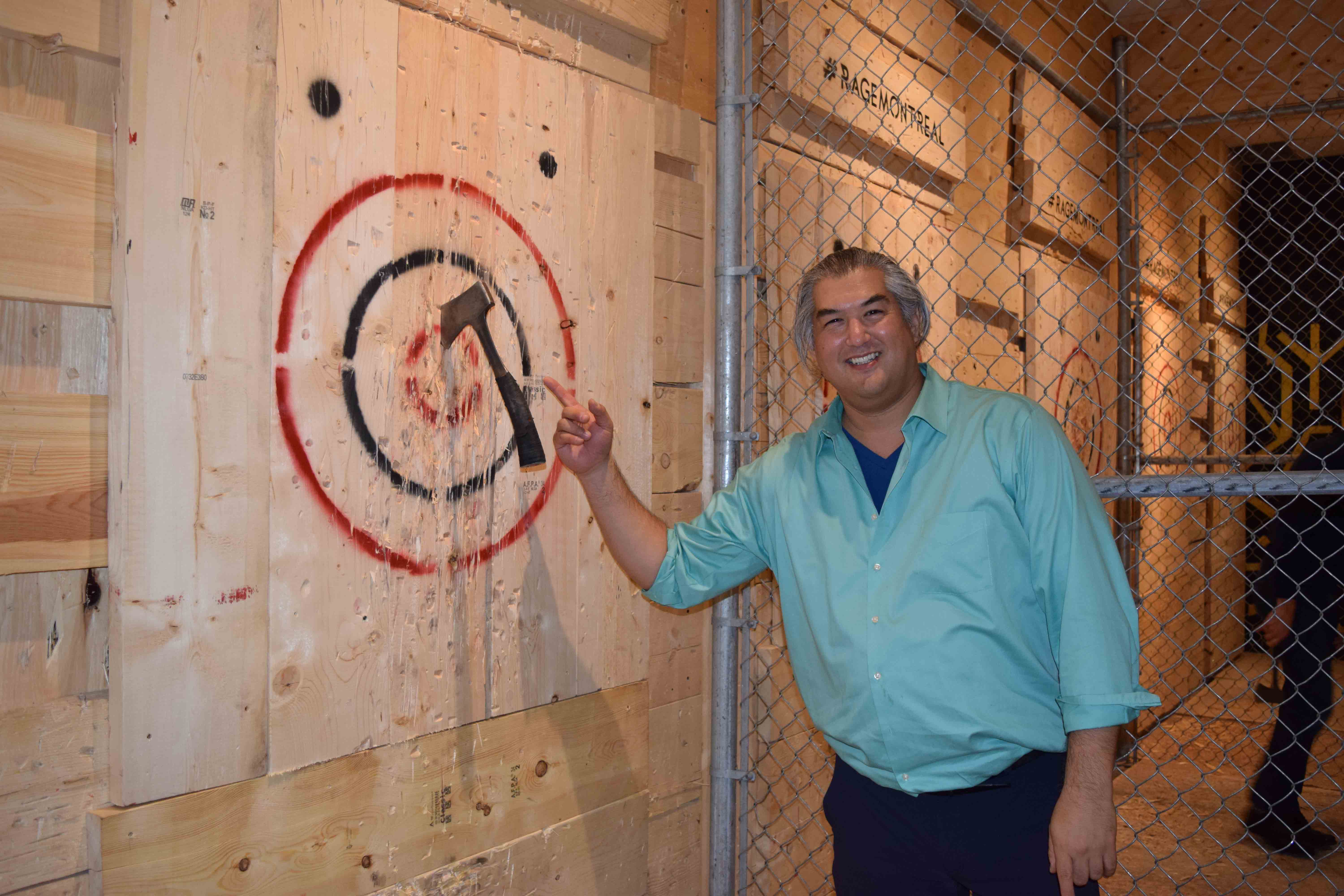
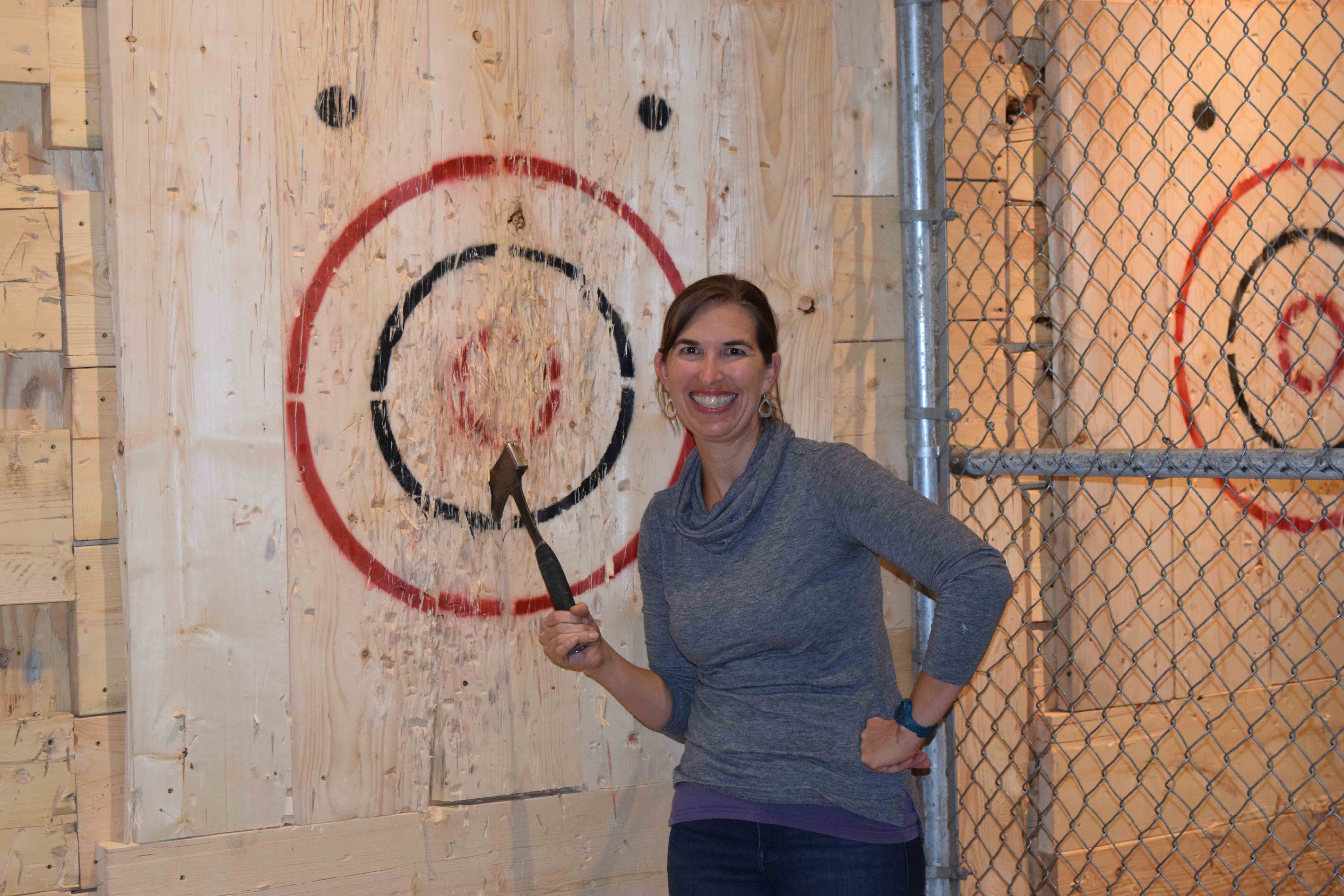
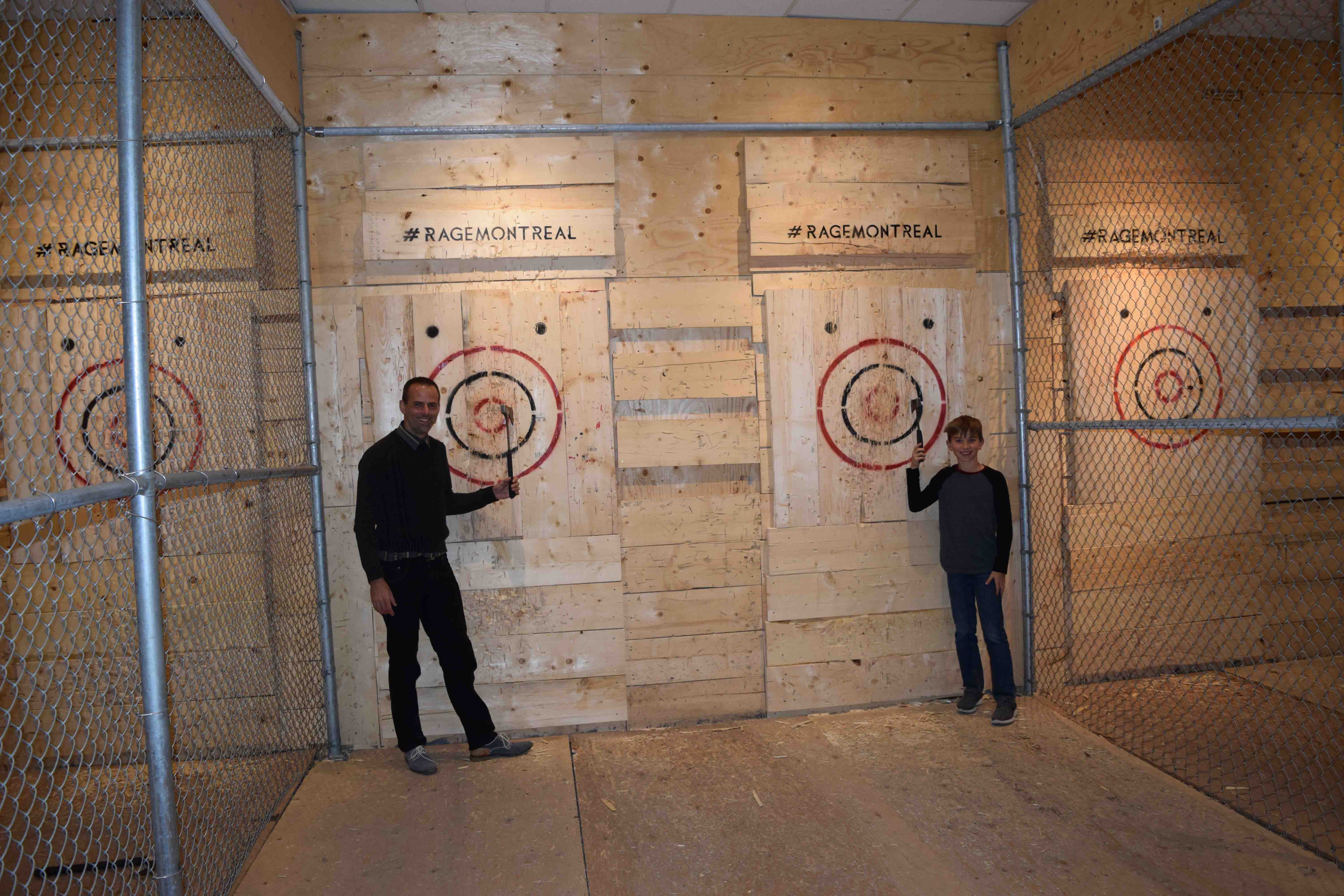
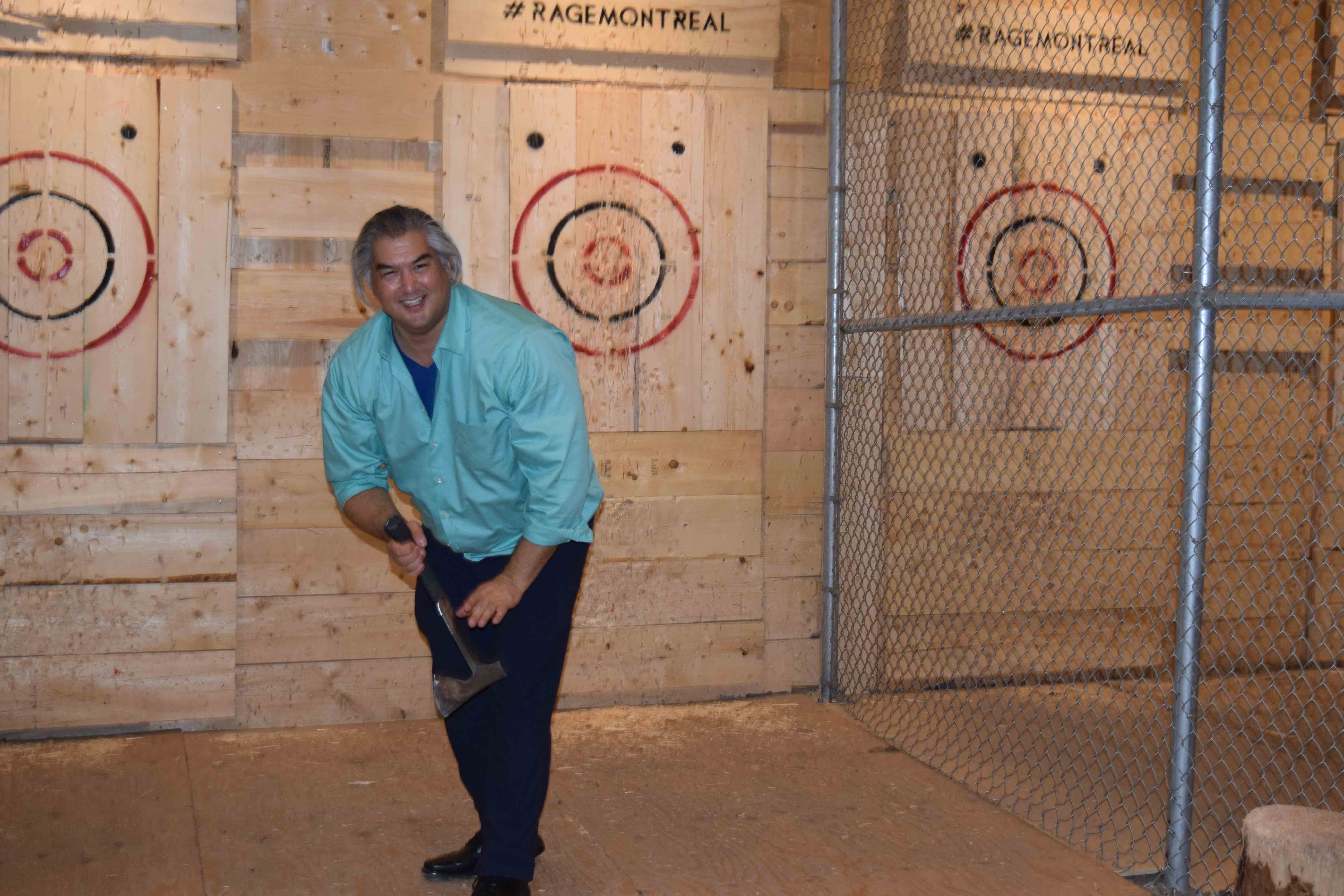
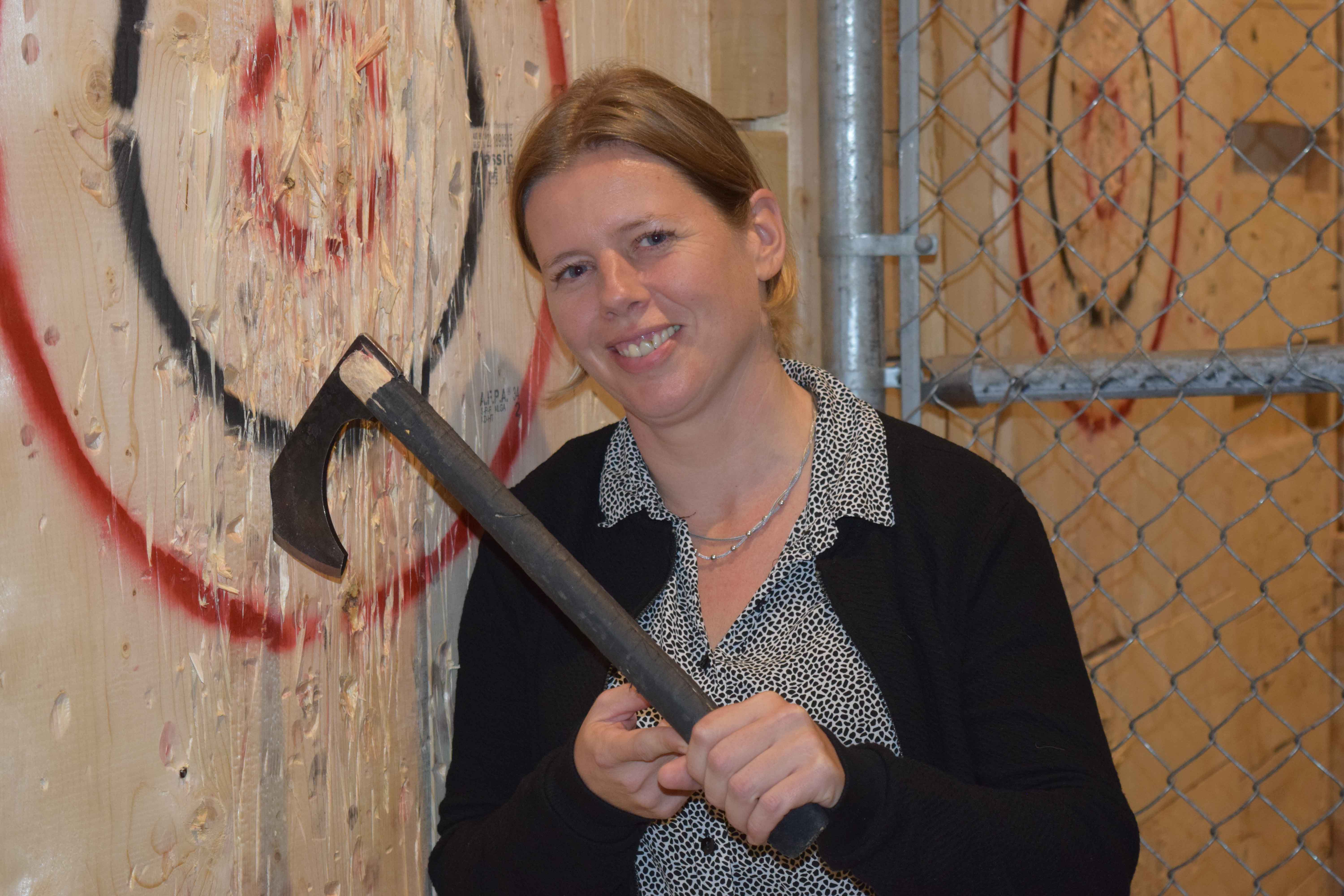
To better prepare for the meeting, the co-chairs and Board had dinner and threw some axes. No one was injured.

The 8th Meeting was a Great Success!

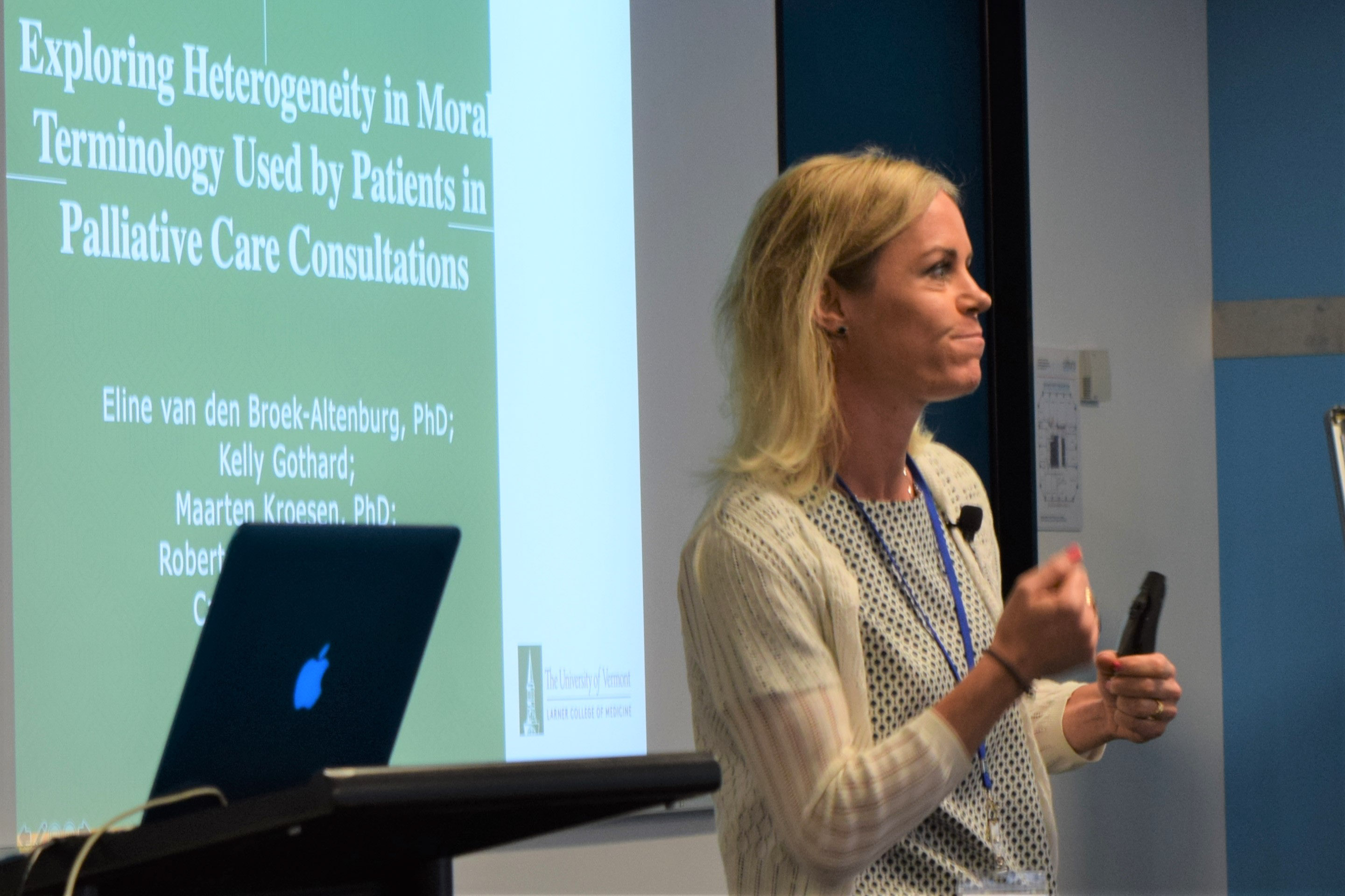
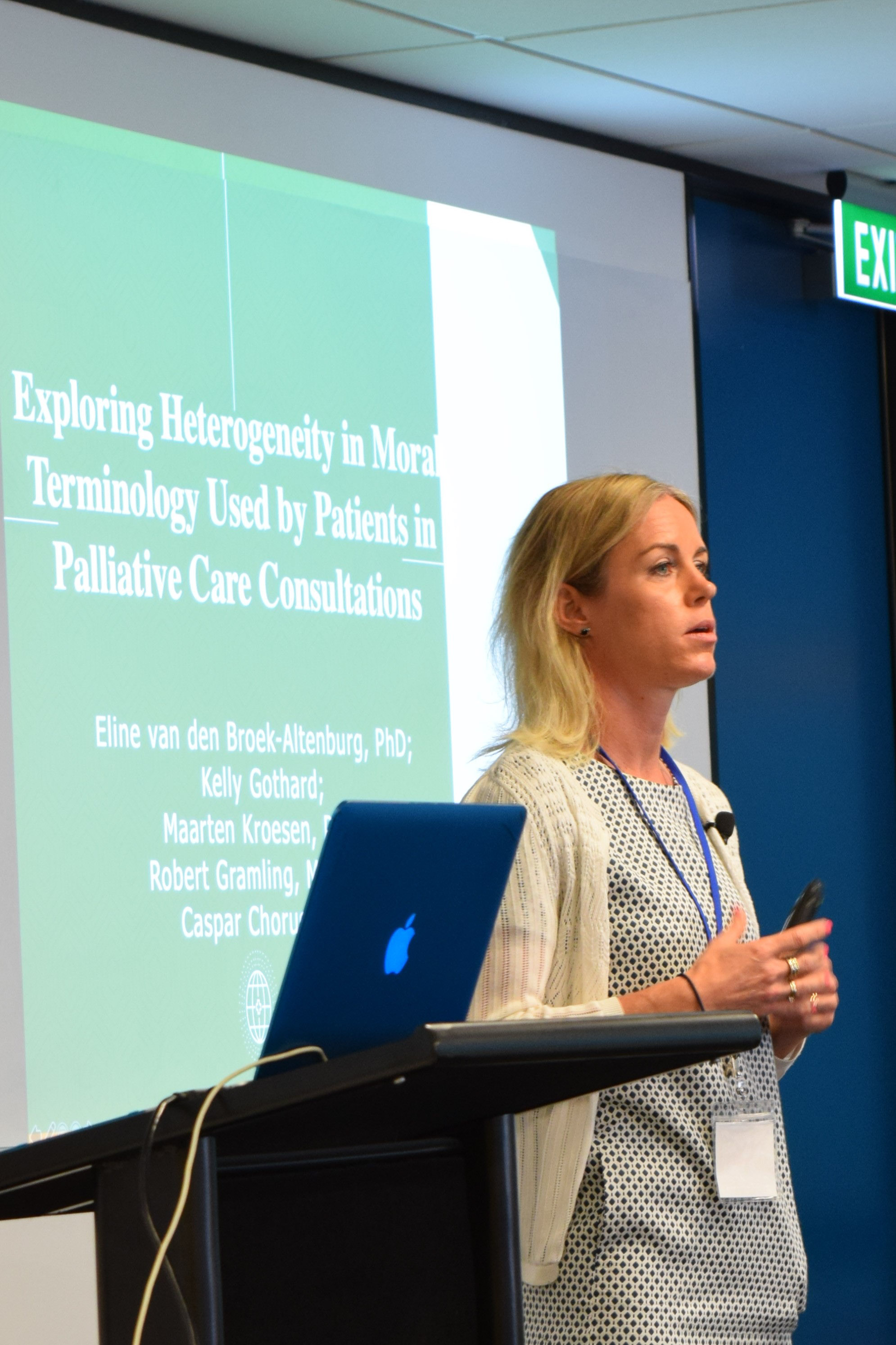
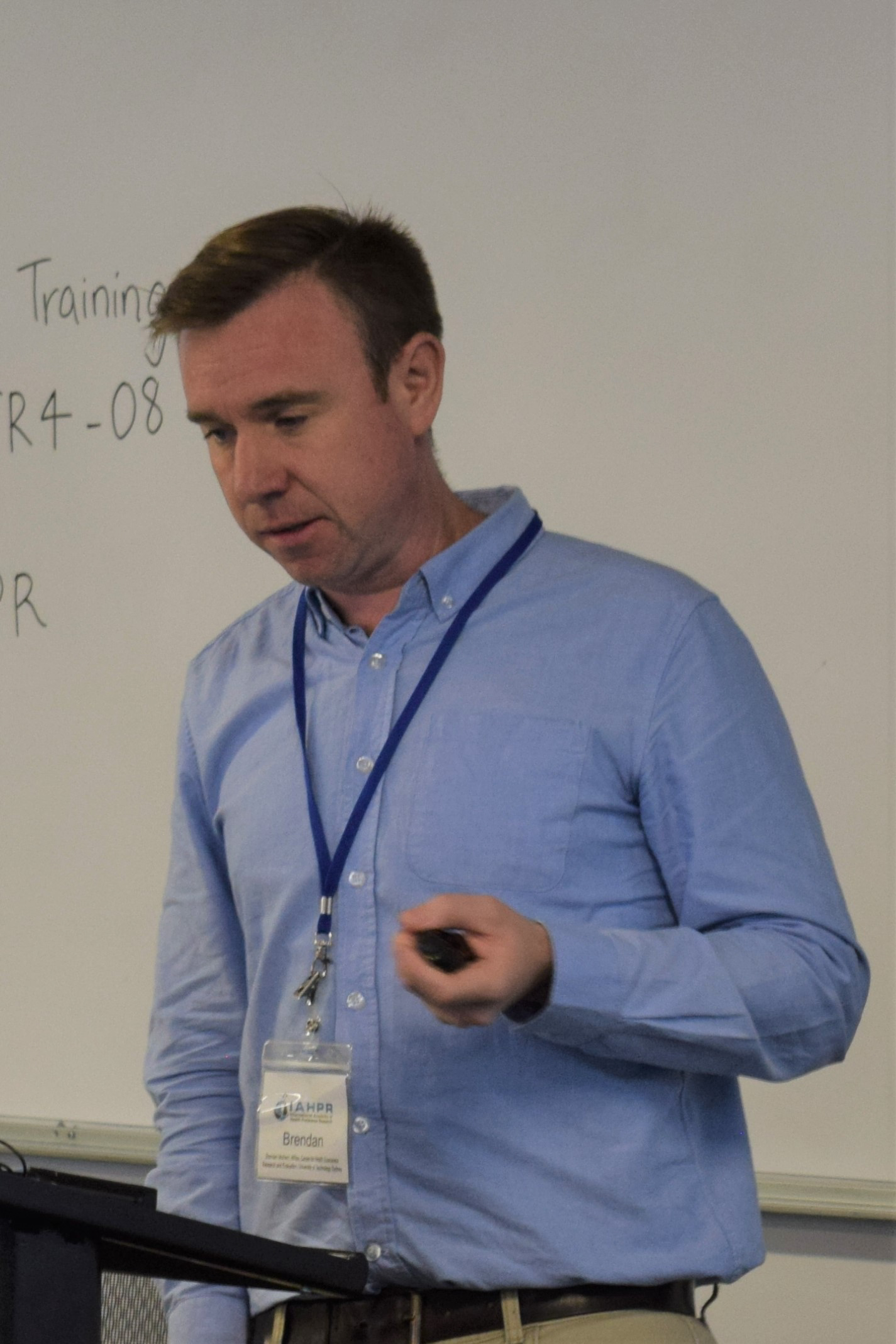
The 8th Meeting had 36 attendees from 3 countries: Australia (29), New Zealand (4), and United States (3). In terms of faculty-to-student ratio, the Academy had 6 tenured members and 15 students in attendance (i.e., 1 to 3 ratio). Many thanks to all who made this possible, particularly Brendan Mulhern and Richard Norman, who chaired the meeting.

Change to Meetings and Memberships

On 4 September 2018, the Board of the IAHPR Foundation decided to make two major changes to IAHPR.

  1. Starting in 2019, the annual webinar will be free for regular members. Instead of registering for the annual webinar, regular members will register and pay only for the events that they attend.  Basically, regular memberships will be renewed for three years after each meeting attendance and will lapse if the person does not attend a meeting for three years.  In summary, regular members are active scientists in our community and will receive a free subscription to HPSTR, a 20% discount on all registration fees, and invitations to participate in all IAHPR activities.
  2. Starting in 2020, IAHPR meetings will be held once per year. They will continue to cycle between the three regions (Europe, Asia/Pacific and North America). Changes to the meeting format (e.g., number of podiums at the 2020 Meeting in North America) will be discussed at the business session in Hobart and Montreal. This change has no effect on the 2018 and 2019 meetings.

The Board made these two changes to facilitate the growth of the Academy, so that it can better promote educational activities and research with respect to health and health-related preferences.

First US EQ-5D-5L Value Set

Medical Care just published the first US value set for EQ-5D-5L.

Using this value set, decision analysts can summarize EQ-5D-5L responses into QALYs from the perspective of US adults. The paper further demonstrates that US EQ-5D-5L values discriminate better than their EQ-5D-3L predecessor. The value set was based on the largest national valuation study ever conducted (8,222 U.S. respondents from all 50 states and Washington, DC), funded by the US National Cancer Institute and EuroQol Research Foundation, and hosted by the International Academy of Health Preference Research (IAHPR). It has been presented at the EuroQol, ISOQOL and IAHPR meetings and will be presented as a finalist research podium (PP2) at ISPOR on Wednesday, May 23, 2018 at 1:45PM – 2:45PM. Please join us.

To download the US value set (comma-separated values file; 166kb): CLICK HERE 

This CSV file contains the all 3125 EQ-5D-5L responses and nine value sets (i.e., 3125 rows, 10 columns): EQ-5D-5L (EQ), United States (US), Japan (JP), South Korea (KR), Uruguay (UR), the Netherlands (NL), Canada (CD), England (EN), Crosswalk (CROSSWALK), and a revised version of the Netherlands value set (NL2).

On 25 April 2018, Dr. Matthijs Versteegh notified us that the Dutch valuation model included a constant term and that all EQ-5D-5L values were shifted downward by 0.047 QALYs, except for 11111. For example, the lowest EQ-5D-5L value (55555) was shifted from -0.399 to -0.446, but highest EQ-5D-5L value (11111) stayed at 1, extending the range of values. For reference, the revised Dutch values were incorporated into the spreadsheet under NL2 (10th column). The original file (without the 10th column) is one of an online appendices of the Medical Care paper. These files may be downloaded and freely used in health technology assessments and economic evaluations with proper citation of the Medical Care paper.

Please contact Benjamin M Craig (bcraig@usf.edu) for more details.

Our 7th Meeting was a Great Success!

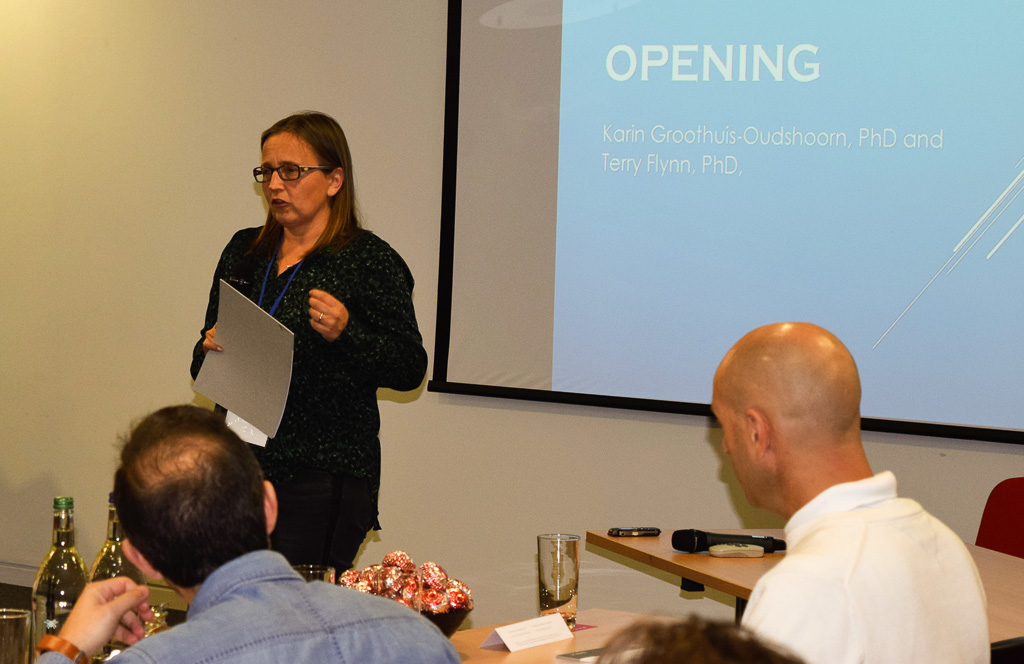
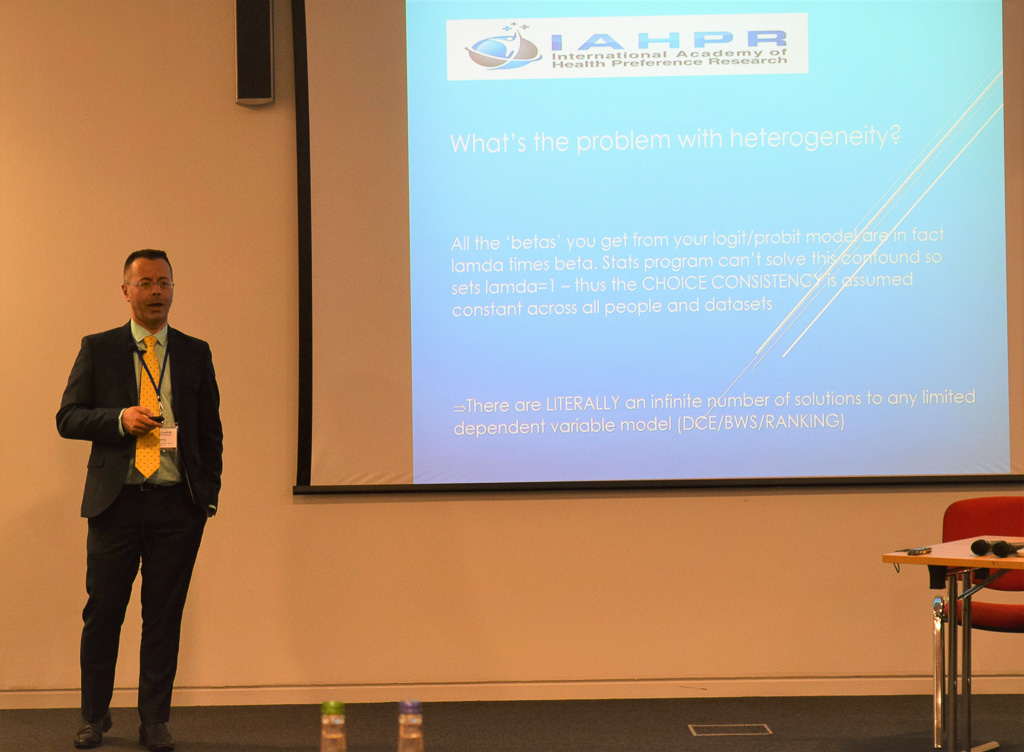
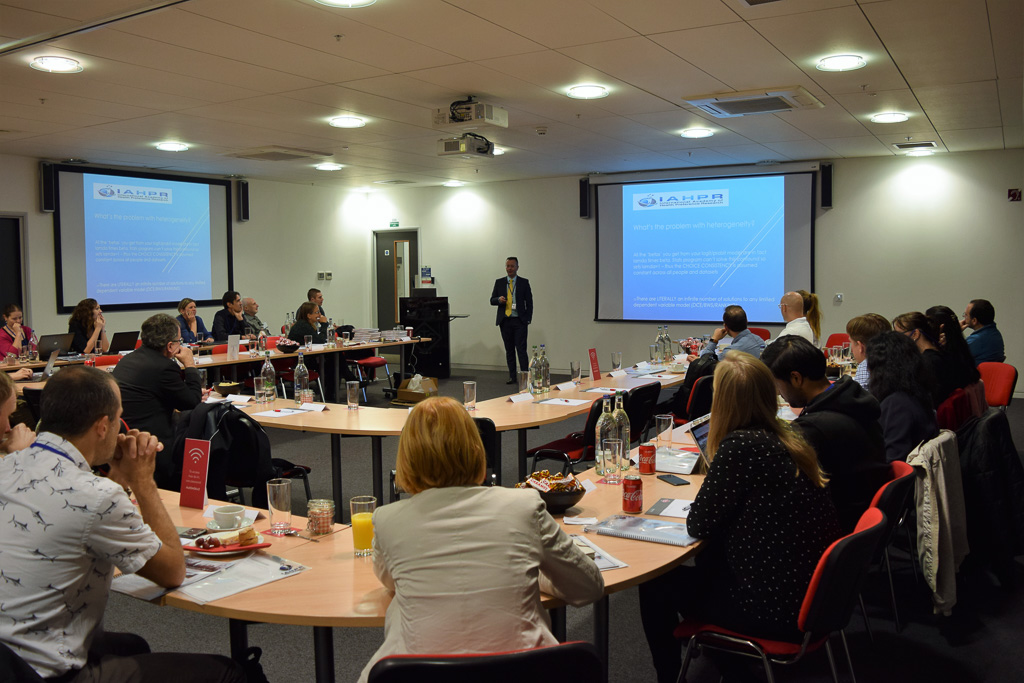
The 7th Meeting had 49 attendees from 9 countries: United Kingdom (16), United States (9), Netherlands (7), Germany (6), Ireland (3), Spain (2), Belgium (2), Sweden (1) and Poland (1). In terms of faculty-to-student ratio, the Academy had 10 tenured members and 19 students in attendance (i.e., 1 to 2 ratio). Many thanks to all who made this possible, particularly Karin Groothuis-Oudshoorn and Terry Flynn, who chaired the meeting.

Our 6th Meeting was a Great Success!

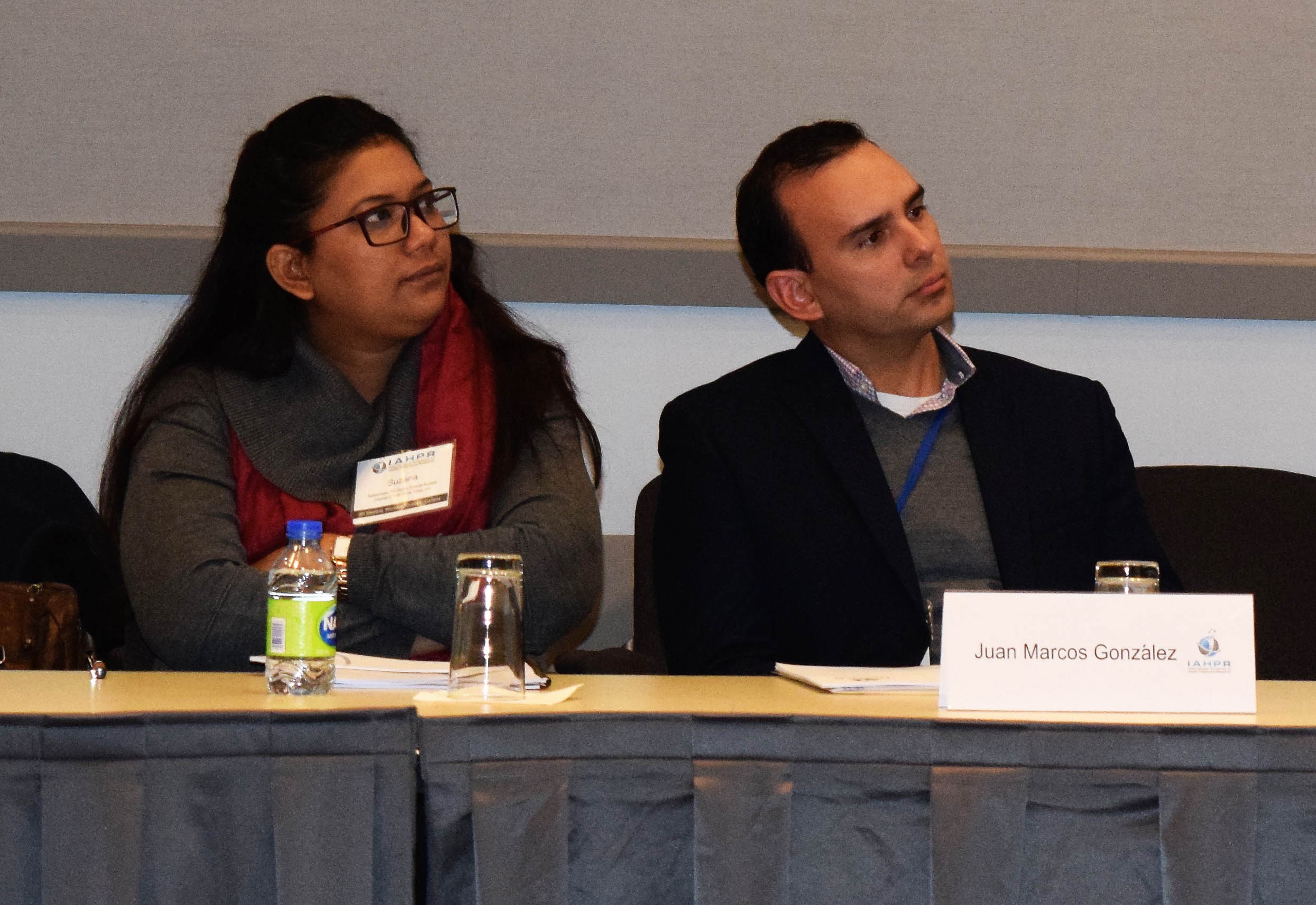
The 6th Meeting had 49 attendees from 8 countries: United States (30), Australia (6), United Kingdom (5), Canada (3), Netherlands (2), Germany (1), Poland (1), and China (1). In terms of faculty-to-student ratio, the Academy had 18 tenured members and 8 students in attendance (i.e., 2 to 1 ratio). Many thanks to all who made this possible, particularly Juan Marcos González Sepulveda and F. Reed Johnson, who chaired the meeting.

Launch of the Health Preference Study and Technology Registry (HPSTR.org)

The Health Preference Study and Technology Registry has been launched. Registering on HPSTR.org can take as little as five minutes.  Without a doubt, this has been the largest collaborative endeavor that our Academy has yet undertaken. Along with the IAHPR members, the Academy thanks Chris Carswell, Bennett Levitan, Ernest H. Law, Winter Maxwell Thayer, and Max Masnick for their assistance with beta testing. Like our meetings and other collaborative initiatives, HPSTR will serve as an enduring contribution to the field.

Although the Academy feels proud of its accomplishments over the last three years, it is important to recognize that HPSTR will require consistent support so that it can best serve our mission: “to improve decisions about health and healthcare throughout the world by developing, promoting, and supporting health preference research with the widest possible applicability.” Over the next three years, the Academy plans:

(1) to register every published health preference study and technology (old and new);
(2) to pursue the endorsements of journals, sponsors, regulatory agencies, and other organizations involved in health preference research; and
(3) to build and disseminate further resources from this platform, including a certification program, a survey database, and a series of educational resources (e.g., textbook, webinars, and workshops).

DCE Competition Winner Announced

winner160920

Photo taken by A. Simon Pickard

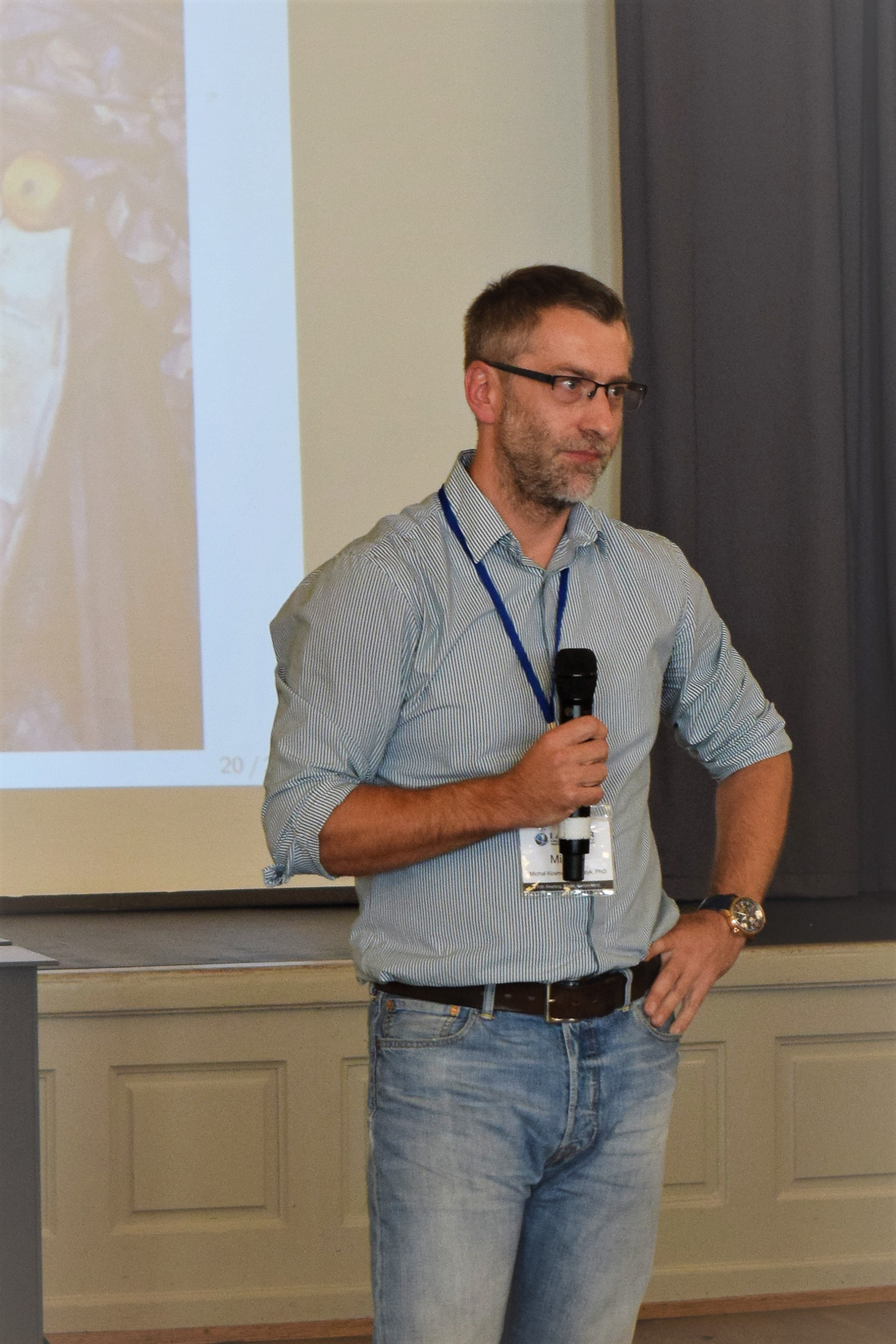
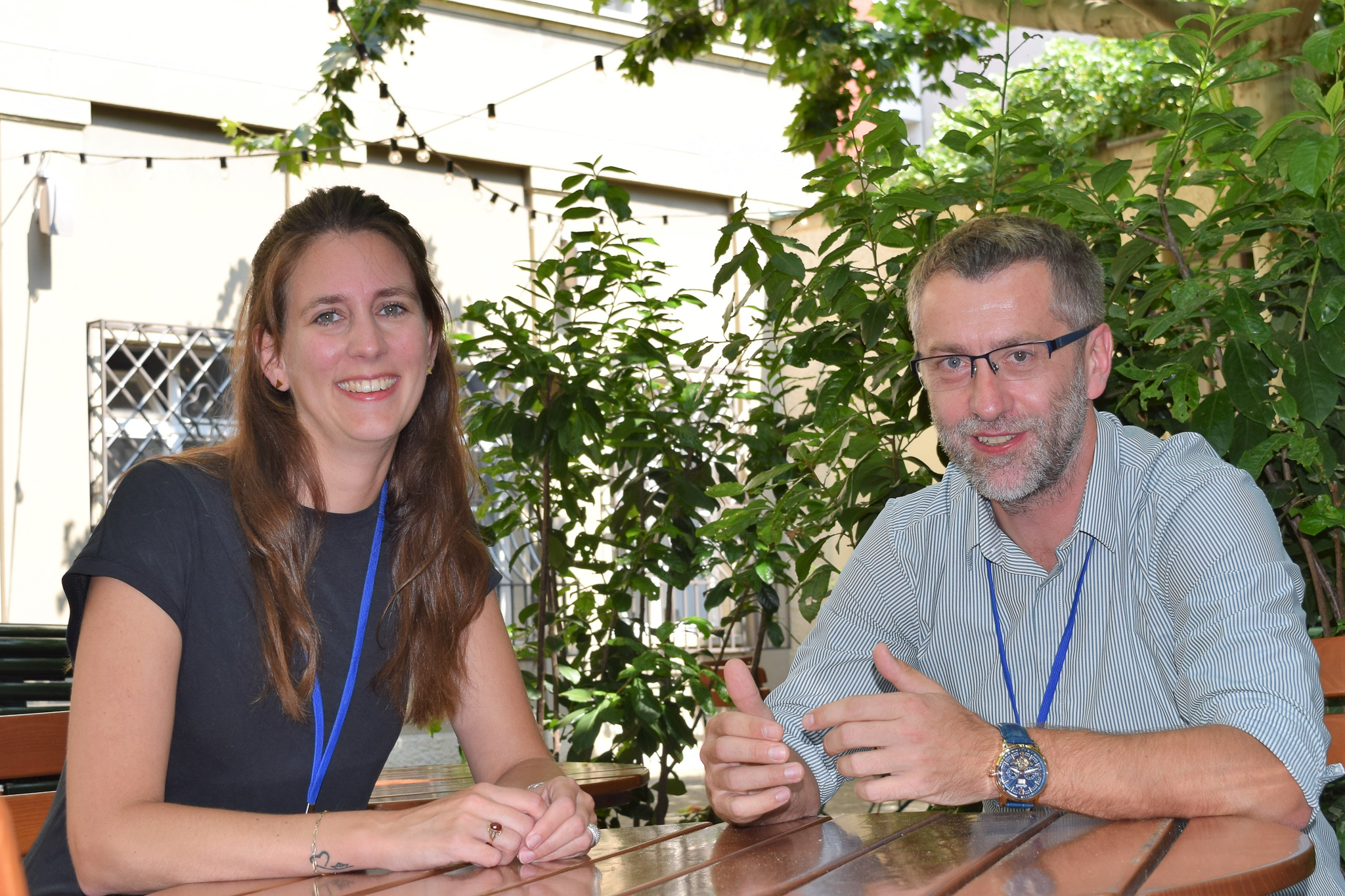
On Friday, 16 September 2016 at the 33rd EuroQol Plenary Meeting in Berlin, Germany, Kim Rand-Hendriksen (left) and Benjamin Craig (center) announced that “Discreetly Charming Econometricians” led by Michał Jakubczyk (right) won the 2016 EQ DCE Predictive Modeling Competition. In this competition, 18 teams registered and received the exploratory data in April 2016. After the teams submitted their predictions for a confirmatory data in July, the confirmatory study was fielded.  Based on the confirmatory data, the victorious team achieved the lowest chi square, greatest concordance and fewest number of rejected predictions. Thank you to all teams that participated and to the EuroQol Research Foundation for their support.  A review of all findings may be presented at the EuroQol Mid-Year Meeting, 6-8 March 2017, Noordwijk, the Netherlands.  For more information: http://iahpr.org/eq-dce-competition/

Our 5th Meeting was a Great Success!

The 5th Meeting had 21 attendees from 9 countries: Singapore (6), Australia (6), United States (3), Brazil (2), Netherlands (1), Norway (1), Finland (1), and Spain (1). In terms of faculty-to-student ratio, the Academy had 6 faculty members and 6 students in attendance (i.e., 1 to 1 ratio). Many thanks to all who made this possible, particularly Kirsten Howard and Mark Oppe, who chaired the meeting.

Our 4th Meeting was a Great Success!

The 4th Meeting had 34 attendees from 9 countries: United Kingdom (8 England, 4 Scotland), The Netherlands (8), Germany(6), USA (3), Sweden (2), Canada (1), Poland(1), and Singapore(1).  In terms of faculty-to-student ratio, the Academy had 10 faculty members and 9 students in attendance (i.e., 1 to 1 ratio). Many thanks to all who made this possible, particularly Mandy Ryan and Elly Stolk, who chaired the meeting.

IAHPR Wants You!

This year, IAHPR is expanding its sponsorship program. Any institution that registers 4 or more persons for the 4th Meeting (Hamburg) by 9 June or makes a $2500 donation by 9 June will be an official meeting sponsor. Sponsors are listed in the Meeting Program, thanked at the beginning of the Meeting, and announced during its business session.  Anonymous sponsorship can also be arranged. For more information, You can reach us at contact@iahpr.org. Thank you for your support.

The First IAHPR Pre-Meeting Workshop

On Tuesday, 12 July 2016 from 13:00-17:00, IAHPR will be hosting:
Lessons learned from recent studies in health valuation
Elly Stolk, PhD, Mark Oppe, PhD

In health preference research, some studies attempt to mimic a specific clinical decision (e.g., choosing between surgery and radiation), while others focus on understanding preferences for health by exploring the tradeoffs between lifespan and health-related quality of life (HRQOL). The latter approach, known as health valuation, summarizes gains in lifespan and HRQOL to facilitate a wide range of policy analyses. Traditional approaches to health valuation such as time trade off use adaptive tasks. More recently, non-adaptive tasks such as discrete choice experiments have been identified as potential alternatives. The comparisons of preference evidence from adaptive and non-adaptive tasks in health valuation have illustrated the problems and promises of each. In this workshop, we will review the lessons learned from recent studies in health valuation, particularly focusing on aspects generalizable to all forms of health preference research.

This 4-hour interactive workshop will be held on the Nord Event Panoramadeck, Emporio Tower, Dammtorwall 15, Hamburg, Germany directly prior to the Meeting Dinner and Poster Session. Registration is free for members, $50 USD  for students, and $150 for non-student, non-member researchers. Space is limited.  If interested, please register for the workshop, once meeting registration opens on 16 May 2016.

The Competition has begun!

Today, 18 teams for all over the world were selected to participate in the EQ DCE Predictive Modeling Competition. Each team will have until 4 July 2016 to examine the exploratory data and submit their prediction for the 1600 pairs in the confirmatory survey. After these predictions are received and posted, the confirmatory survey will be fielded. The team with the best predictions (smallest chi-square) wins.

The exploratory data and code are available for download from the Competition webpage.

link: http://iahpr.org/eq-dce-competition/


Patient Voice Seminar

“What Do We Really Know About Stated-Preference Methods?”
F. Reed Johnson (IAHPR member), Duke Clinical Research Institute, Durham, North Carolina, USA

Tuesday, 12 April 2016 at 17:00-18:30
Duke Sports Center Conference room
The Fuqua School of Business, Duke University
Durham, North Carolina, USA
Contact Carolyn Hutyra to attend in person or remotely via WebEX

The Patient Voice Seminar Series is held on the second Tuesday of each month: April 12, May 10 and June 14.